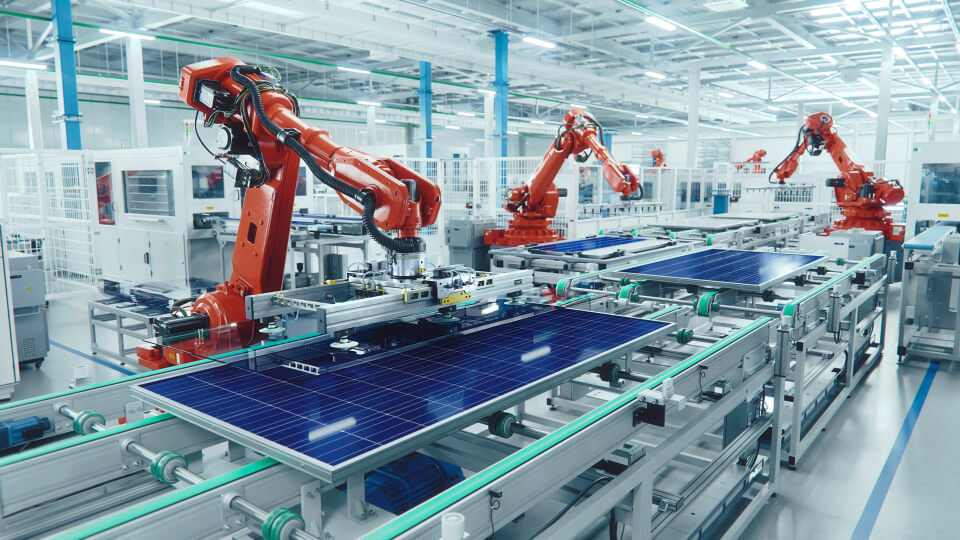
India’s manufacturing sector is expanding quickly across automotive, electronics, chemicals, food processing, and precision engineering. As factories adopt Industry 4.0 systems, more decisions are guided by data, from production performance to energy use and audit readiness.
Facilities management is now part of this shift. It supports the stable conditions that keep plants running and provides operational data that strengthens long-term performance.
Using Data to Understand Plant Conditions
Factories generate large volumes of operational information each day. Machine uptime, indoor air conditions, waste volumes, and energy use all influence production outcomes. When this data sits in separate systems, its value is limited.
Data-led facilities management brings these sources together.
Building management systems, IoT sensors, and digital maintenance tools capture and track changes in real time. The information helps plant managers understand how facility conditions affect efficiency, equipment health, and operating cost.
Predictive Maintenance as Standard Practice
Predictive maintenance has become essential for manufacturers operating tight production schedules and compliance requirements.
Sensors fitted on HVAC equipment, pumps, compressors, lighting systems, and electrical infrastructure measure vibration, temperature, airflow, and load. Facilities teams act when readings fall outside the expected range.
This prevents unnecessary shutdowns, extends asset lifespan, and reduces the number of reactive callouts. It also keeps production environments stable, which is crucial for sectors that depend on controlled temperature, humidity, or air quality.
Using Data to Improve Energy, Waste and Resource Efficiency
Manufacturers across India face rising expectations for energy efficiency and environmental performance. Data-led systems support this by providing clear visibility of energy, water, and waste patterns across the plant.
- Smart meters highlight excessive load during peak hours.
- IoT-linked chillers and HVAC units show where consumption can be reduced.
- Waste monitoring tools measure segregation ratios and disposal volumes.
Facilities teams use this information to schedule equipment more efficiently, optimise recycling activities, and improve reporting for ESG and Net Zero commitments. The data also supports cost control, an ongoing priority for many Indian manufacturers
Improved Audit Readiness and Compliance Control
Compliance remains central to Indian manufacturing, especially in automotive (IATF), pharmaceutical (GMP), food processing (FSSAI), and electronics.
Digital FM platforms provide structured documentation of maintenance, calibration, safety checks, and inspections.
During audits, this information is easy to retrieve and present. It helps demonstrate:
- Traceability of maintenance tasks
- Accuracy of equipment calibration
- Evidence of safety and environmental controls
This reduces preparation time and supports consistent compliance throughout the year.
Strengthening Ethical and Transparent Operations
India’s supply chains are increasingly assessed on ethical governance. Aligned reporting structures such as RBA and SMETA support responsible operations across labour, safety, and environmental practices.
Digital monitoring tools verify that safety routines and workplace protections are applied consistently. This creates a transparent record that supports both customer expectations and internal governance requirements.
The Future of Data-Led Facilities Management in India
As plants adopt advanced machinery and automation, facilities management will continue to influence production stability.
Data from facility systems is now used alongside production dashboards to understand total operational efficiency. This helps leaders:
- Adjust maintenance schedules around high-demand shifts
- Improve energy use across different zones
- Plan capital improvements based on asset performance data
Facilities professionals are also gaining new digital skills, including data interpretation, systems monitoring, and compliance analytics. These capabilities support a more resilient and efficient manufacturing sector.
Conclusion
Data-led facilities management provides clarity, structure, and control across India’s manufacturing operations.
Real-time monitoring, predictive maintenance, and transparent reporting help plants remain efficient, compliant, and stable. As India progresses towards a more advanced industrial landscape, data from facilities systems will continue to support reliable operations and stronger decision-making.