“In facilities management, most work takes place in familiar environments where tasks follow routine patterns. These conditions can create a false sense of security. The absence of obvious risk is often when risk is at its highest.
Across APAC and the Middle East, OCS colleagues work in environments ranging from commercial buildings to healthcare facilities and industrial sites. Each brings its own set of hazards. This is why safety must extend beyond compliance. It needs to be embedded in how we think, assess risk, and make decisions every day.
For colleagues, safety protects lives and livelihoods.
For customers, it protects continuity, trust, and confidence.
For leaders, it is a non‑negotiable business priority.”
Javved Qureshi
QHSE Director, APAC & ME and Chief Human Resource Officer, India
Introducing STOP
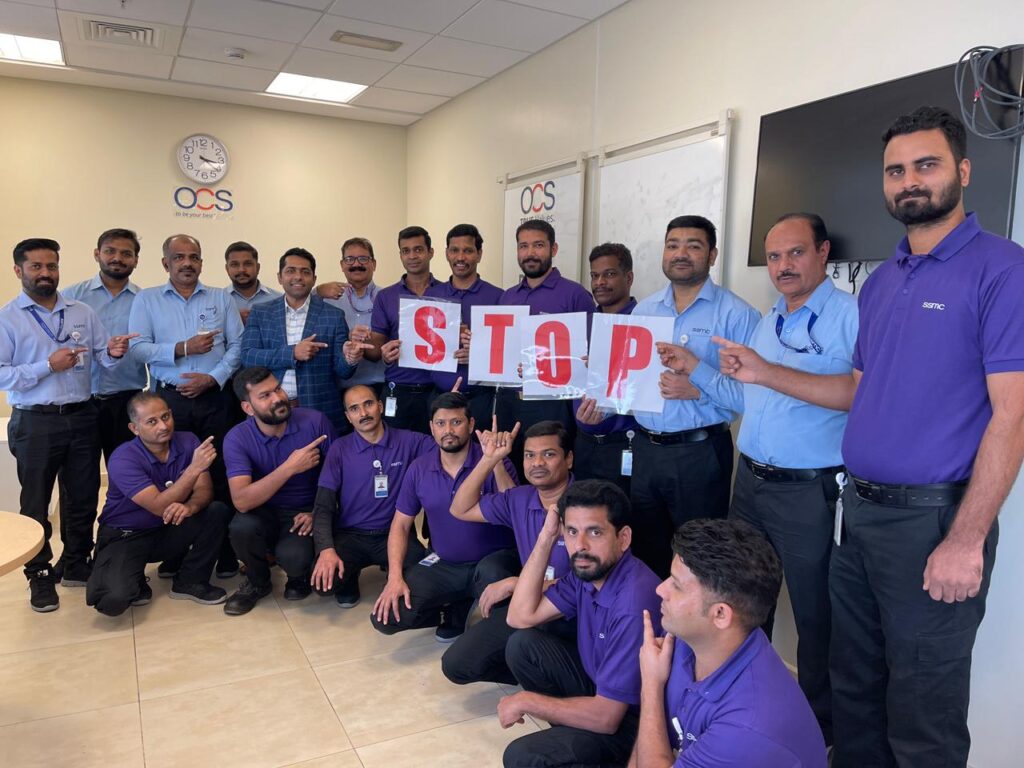
To support safer decision‑making across the region, OCS has launched the STOP campaign. STOP provides a simple, structured pause before any task:
Stop → Think → Observe → Proceed
The approach takes seconds but supports better awareness of changing conditions, potential hazards, and the safest next step. It also reinforces a commitment we want every colleague to feel confident making:
“I will not proceed if it is unsafe.”
Where we see hesitation?
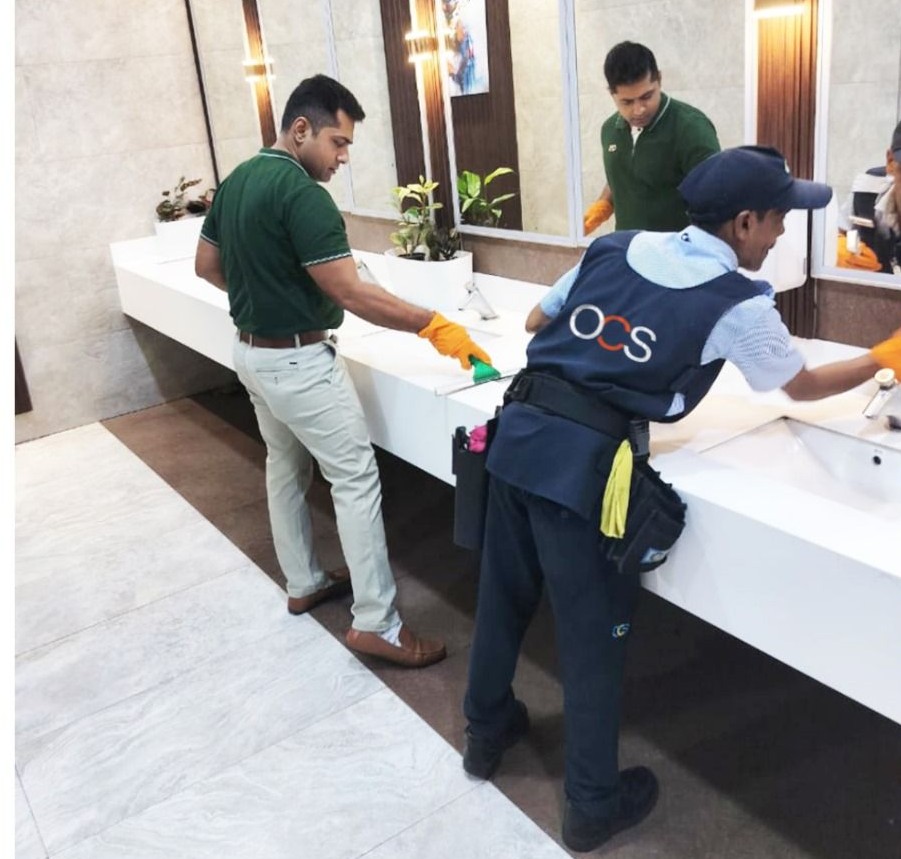
Hesitation often appears during routine work such as cleaning, maintenance, or equipment checks. Familiarity can lead to autopilot. We also see hesitation in customer‑facing settings, where colleagues may feel pressure to avoid delay.
Pausing for safety is not disruption. It is professionalism. It is part of delivering reliable, high‑quality service.
Being present in the task
Many incidents occur not because of major hazards, but because of small lapses like rushing, distraction, or assumptions that conditions have not changed.
Being present means taking a moment to:
- reassess the space
- check surroundings
- reset before starting
Small actions like these prevent harm.
What good leadership looks like?
STOP becomes meaningful only when supported by leaders at every level. When a colleague pauses work, effective leadership involves:
- thanking them for speaking up
- discussing what they observed
- reassessing the situation together
- taking corrective action
- sharing the learning with others
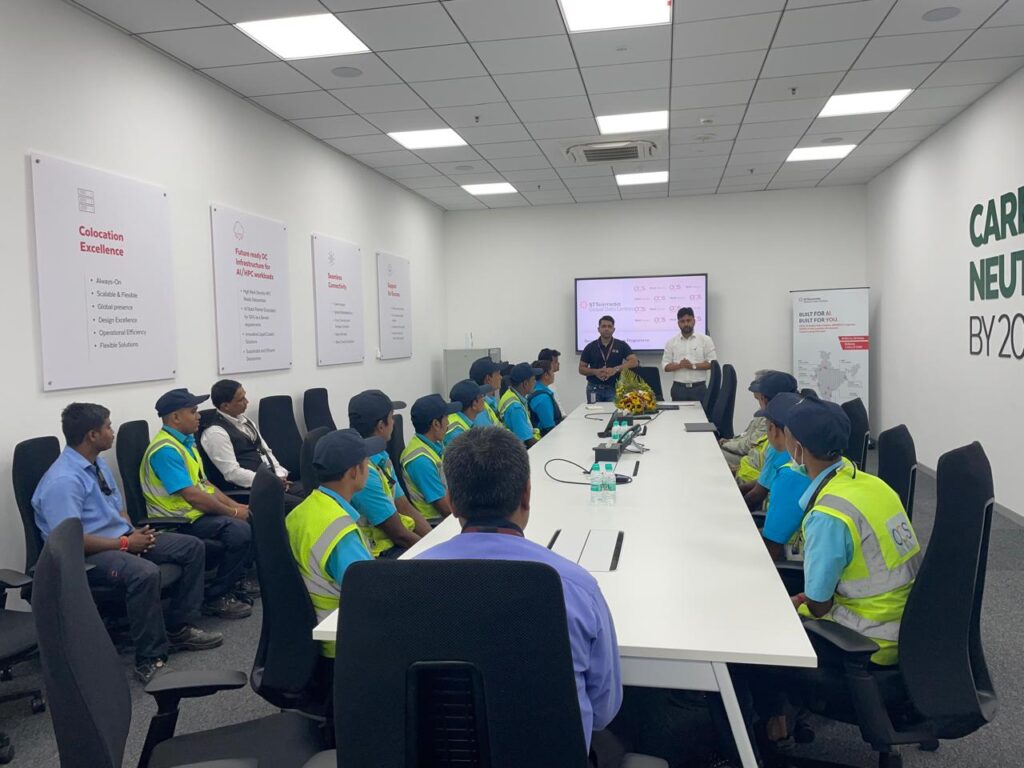
Supervisors play a key role in reinforcing STOP in daily briefings and Toolbox Talks, modelling the behaviour, and recognising good practice. Senior leaders strengthen credibility by ensuring training, resources, and visible support are in place.
A simple example of STOP in action
During a recent cleaning task, a colleague noticed a small water leak near an electrical socket. Instead of continuing, they chose to STOP and inform their supervisor. The area was isolated and maintenance confirmed that moisture had reached the wiring.
A brief pause prevented a potentially serious incident, demonstrating the value of STOP exactly as intended.
What success looks like?
Six months from now, successful adoption of STOP will be visible through:
- colleagues stopping work without hesitation
- supervisors reinforcing STOP daily
- fewer unsafe conditions and near misses
- stronger reporting and open conversations
- consistent habits that prioritise safety
“Safety begins with each of us. No task is so urgent or important that it cannot be completed safely. Take the moment to STOP. Think, observe, and proceed only when confident it is safe to do so.
Let’s make 2026 a year where safety is strengthened through everyday choices, and where zero harm is achieved through culture, leadership, and shared responsibility.”