Safety is a core pillar of operational excellence in Cambodia. As the country continues rapid economic development, with expanding commercial centres, industrial parks, special economic zones, mixed‑use developments, hospitality destinations and public infrastructure, facilities management (FM) teams are operating in increasingly complex and high‑demand environments. These settings require disciplined execution, strong situational awareness and unwavering attention to risk.
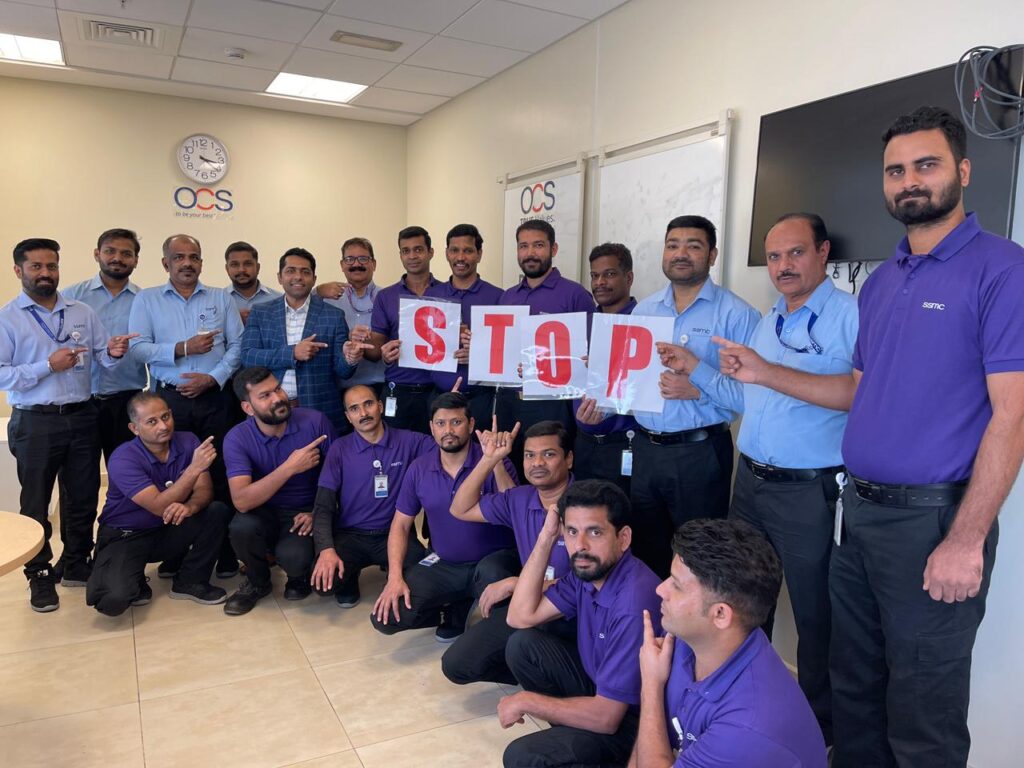
STOP – Stop. Think. Observe. Proceed. is a simple behavioural framework with growing strategic relevance for Cambodia’s FM sector. Beyond frontline safety, it strengthens judgement, consistency and reliability in environments where expectations are rising and conditions can change quickly.
“In facilities management, most work takes place in familiar environments where tasks follow routine patterns. These conditions can create a false sense of security. The absence of obvious risk is often when risk is at its highest.
Across APAC and the Middle East, OCS colleagues work in environments ranging from commercial buildings to healthcare facilities and industrial sites. Each brings its own set of hazards. This is why safety must extend beyond compliance. It needs to be embedded in how we think, assess risk, and make decisions every day.
For colleagues, safety protects lives and livelihoods.
For customers, it protects continuity, trust, and confidence.
For leaders, it is a non‑negotiable business priority.”

Javved Qureshi
QHSE Director, APAC & ME
Why STOP Matters
Cambodia’s FM landscape presents diverse operating realities: fast‑expanding construction, fluctuating footfall in malls and mixed‑use sites, multilingual teams, and varied risk profiles across offices, factories, hospitality assets, logistics hubs and campus‑style environments. Despite this breadth, most FM tasks still happen in familiar settings; cleaning, inspections, equipment checks, security rounds or routine maintenance.
This familiarity can create blind spots, reducing vigilance even when hazards exist.
STOP introduces an intentional pause before every task, helping colleagues reassess conditions:
- Has anything changed since the last round?
- Is the area stable and safe?
- Are controls, equipment or PPE adequate?
- Do I need assistance or a reassessment?
In Cambodia’s fast‑moving sites, where a minor oversight can lead to service disruption, injury or operational downtime, this micro‑pause becomes a critical safeguard.
A Strategic Leadership Tool for Cambodia
For senior leaders, STOP is more than a safety reminder. It is a governance mechanism that strengthens operational maturity across complex portfolios and distributed teams. When embedded effectively, STOP signals that:
- safety and reliability are inseparable
- professional judgement is valued and expected
- early escalation is a strength, not a disruption
- risk management is shared across roles and levels
By empowering colleagues to pause when something feels unsafe, organisations reduce incidents, prevent avoidable downtime and strengthen continuity, outcomes that directly support service performance and customer trust.
STOP also aligns with Cambodia’s broader drive for higher FM standards as the country continues to modernise its industrial, commercial and public infrastructure assets.
“Safety begins with each of us. No task is so urgent or important that it cannot be completed safely. Take the moment to STOP. Think, observe, and proceed only when confident it is safe to do so.
Let’s make 2026 a year where safety is strengthened through everyday choices, and where zero harm is achieved through culture, leadership, and shared responsibility.”