In facilities management, safety is not a procedural requirement but an operational advantage. The Philippines operates some of the most dynamic and high‑pressure-built environments in Southeast Asia, such as, 24/7 BPO campuses, high‑footfall retail areas, hospitals, transport hubs and logistics sites. These environments depend on consistent execution, disciplined routines and colleagues who can make fast, confident decisions.
This is precisely where the STOP approach makes a strategic difference.
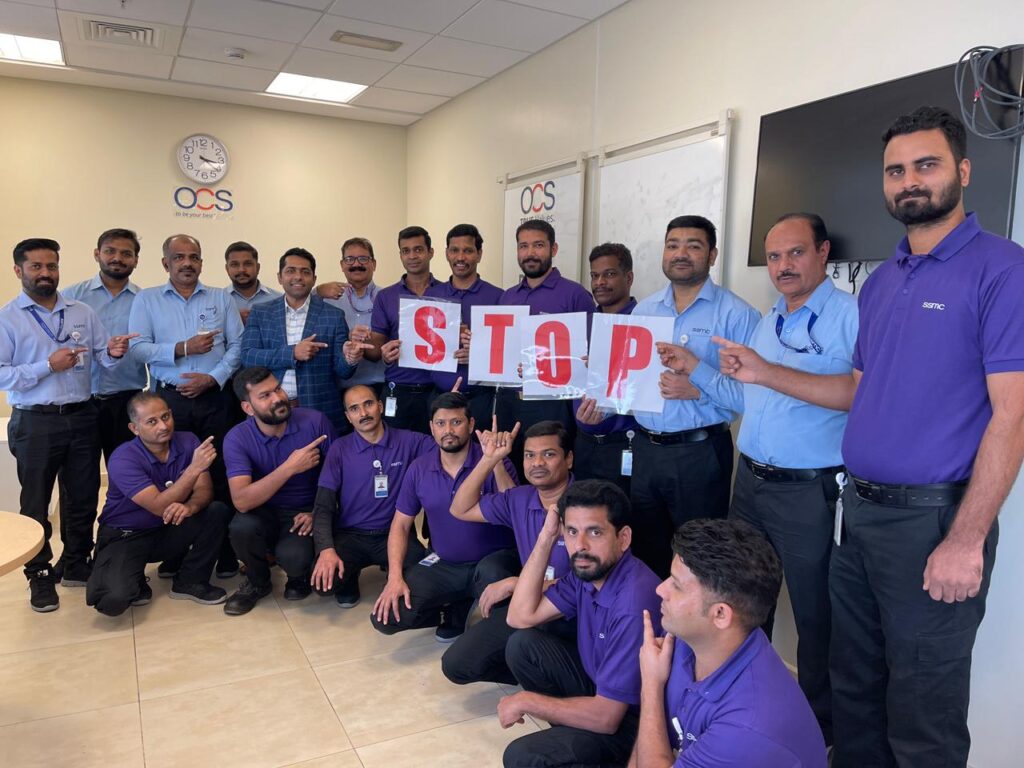
STOP: Stop. Think. Observe. Proceed. A simple behavioural framework, but its impact extends well beyond frontline tasks. For leaders, it represents a shift toward a safer, more resilient and more reliable operating culture.
“In facilities management, most work takes place in familiar environments where tasks follow routine patterns. These conditions can create a false sense of security. The absence of obvious risk is often when risk is at its highest.
Across APAC and the Middle East, OCS colleagues work in environments ranging from commercial buildings to healthcare facilities and industrial sites. Each brings its own set of hazards. This is why safety must extend beyond compliance. It needs to be embedded in how we think, assess risk, and make decisions every day.
For colleagues, safety protects lives and livelihoods.
For customers, it protects continuity, trust, and confidence.
For leaders, it is a non‑negotiable business priority.”

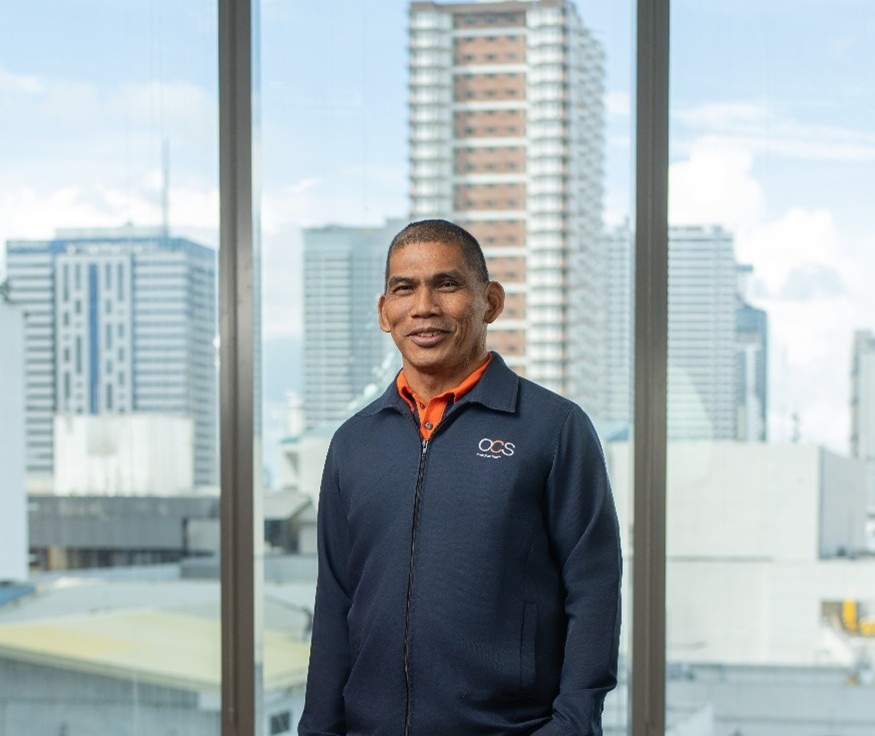
Javved Qureshi
QHSE Director, APAC & ME
Familiarity Creates Blind Spots, STOP Closes Them
Most FM incidents do not come from rare high‑risk events. They arise from routine activities where complacency, pressure or assumptions override awareness. Colleagues mop floors they have cleaned thousands of times. Technicians check electrical panels they know well. Security officers patrol the same routes every day.
In these familiar moments, risk often hides in plain sight.
STOP introduces a micro‑pause that breaks autopilot and re‑anchors colleagues in the present:
“Has anything changed?”
“Is the area safe to approach?”
“Do I need help or clearer control before continuing?”
For organisations managing large portfolios or critical environments, this pause is not an interruption but an operational safeguard.
A Leadership Tool Disguised as a Safety Behaviour
Organisation leaders and managers often look for ways to strengthen risk governance without slowing operations. STOP delivers exactly that. It embeds risk intelligence into everyday decision‑making, making safety self‑regulating rather than top‑down.
When consistently used, STOP becomes a leadership signal:
- that the organisation values judgement over speed
- that speaking up is expected, not resisted
- that risk awareness is part of professional conduct
- that safety and reliability are inseparable
This behavioural shift reduces downstream operational disruptions, translating to fewer incidents, fewer stoppages, fewer customer escalations and stronger service continuity.
“Safety begins with each of us. No task is so urgent or important that it cannot be completed safely. Take the moment to STOP. Think, observe, and proceed only when confident it is safe to do so.
Let’s make 2026 a year where safety is strengthened through everyday choices, and where zero harm is achieved through culture, leadership, and shared responsibility.”
STOP Strengthens Customer Trust and Operational Maturity
Customers increasingly expect FM partners to demonstrate risk control, traceability and a disciplined operating rhythm. STOP supports this by:
- improving near‑miss visibility
- encouraging early escalation before conditions worsen
- supporting clearer reporting for audits and customer reviews
- building consistency across shifts and multi‑site teams
In sectors like BPO, healthcare, industrial operations and commercial real estate, customers see STOP not as a safety campaign but as a sign of operational maturity. It proves that teams can manage complexity with control, judgement and accountability.
Driving a Culture of Accountability, One Decision at a Time
Leaders play a crucial role in making STOP credible. When leaders reward pauses rather than rush decisions, STOP becomes cultural. When supervisors reinforce STOP in daily briefings and Toolbox Talks, it becomes operational. When senior leaders provide training and resources, it becomes systemic.
The goal is not to prevent isolated incidents; it is to build a workforce capable of recognising risk and intervening early, a capability that directly reduces injuries, improves uptime and protects brand trust.
Safety as a Strategic Advantage
STOP is more than a safety reminder. It is an investment in people, judgement and reliability. In a country where FM teams operate in fast‑moving, high‑demand environments, STOP strengthens the one capability every organisation relies on: the ability to make safe decisions, every time, under real‑world pressure.
By embedding STOP into everyday work, leaders create more resilient teams, safer environments and a workplace culture where safety is not an instruction. It is a shared responsibility and a strategic advantage.