
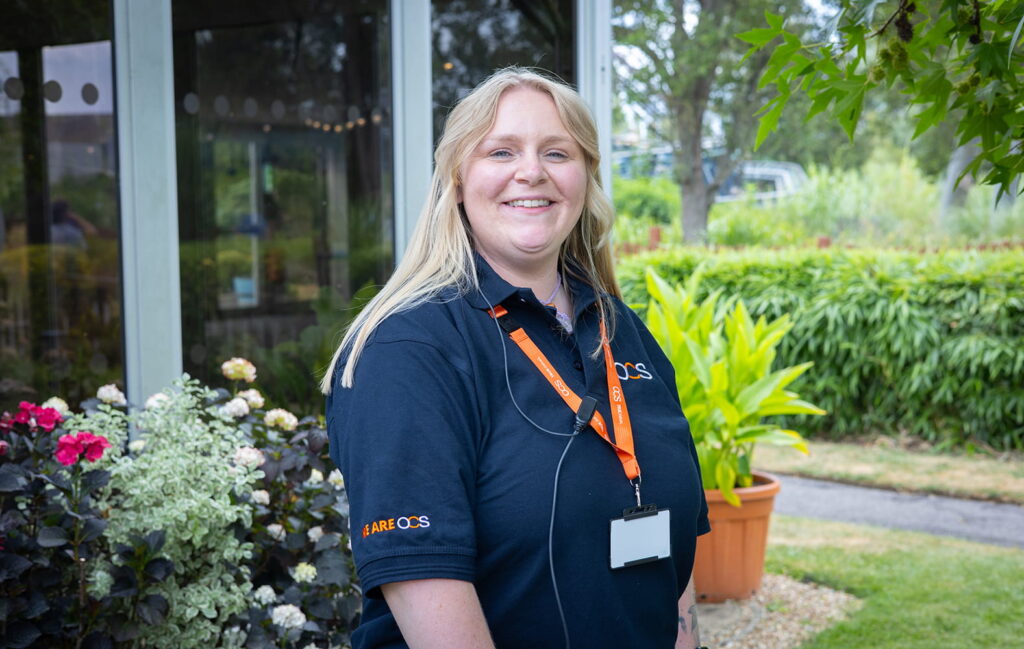
Today, we commemorate International Security Officers’ Day—an important occasion on the global calendar that honours the brave individuals who safeguard our public and private spaces. As an FM company, security constitutes a substantial part of our business. In the UK and Ireland, we employ over 5,000 officers serving diverse sectors, including retail, industry, construction, and the public sector. Today, the 24th of July (24/07), honours the role of a security officer who has to be present at all hours of the day, from early rises to night shifts, protecting us all so we can work, rest, play, or eat safely.
We sat down with Steven Moore, UK Security Managing Director, to discuss the current industry landscape for our security officers.
What are the challenges security officers face?
Security officers play a crucial role in safeguarding our communities, but their work is not without its challenges. These dedicated professionals face high-pressure situations and confrontations while striving to provide exceptional customer service and enforce regulations. Moreover, their work can be physically demanding, with foot patrols and long hours of standing so everybody needs to stay motivated at all times. This is why it is important to celebrate their resilience and bravery not just today but every day of the year and recognise the risks they take to protect us all.
What are the industry challenges?
The security industry faces several pressing challenges, most notably attracting the right diverse personnel to frontline and managerial positions within the sector. Working as a security officer is demanding, and it’s well-known that security officers within the retail sector face threats and verbal abuse daily. Attempting to attract new talent is difficult in environments where threats have escalated to verbal abuse and, in the worst cases, physical violence. Additionally, some local areas that have a high density of advertised roles are at saturation point, leading to fewer applicants. Brexit and the pandemic have also caused a shortage creating a skills gap.
With an industry that’s so competitive, unfortunately in certain circumstances, a ‘race to the bottom’ scenario can occur as we compete in a tight market. We are seeing companies undercut, not only straining the commercial model but also putting huge pressure on sub-contractors that operate under the ACS accreditation nationally. However, we are a company that strives to self-deliver throughout the UK which is an attractive proposition to our customers.
Lastly, the dynamic threat landscape—from terrorism to cyber threats—requires constant adaptation.
What has OCS done to improve these challenges?
We’ve implemented succession planning at all levels to ensure leadership continuity. To further strengthen our workforce, we’re leveraging the apprenticeship levy to deliver up to 200 apprenticeships in 2024, an initiative that aligns with our ESG commitments. This not only upskills our existing workforce but also cultivates future leaders. Regarding customer relationships, we’re selective in establishing long-term strategic partnerships with customers who value fair rates. Our due diligence process ensures that we work in partnership with our customers to provide attractive pay and conditions, enabling us to focus on securing our customers’ assets, information, brand, and environment. To keep our team informed, we continuously monitor Open Source Intelligence (OSIN), providing our managers, frontline colleagues, and customers with the necessary information to make informed decisions about their site’s security posture. We’ve also embraced technology by implementing artificial intelligence to supplement our existing technology, aiding our frontline colleagues in detecting and recording threats. Lastly, to tackle recruitment challenges, we’ve established collaborations with the DWP, local job centres, veteran communities, and other organisations. We hold job fairs in key locations and support individuals obtaining their licenses, to provide post-training jobs. These measures collectively reflect our commitment to improving our services and addressing the challenges we face in our operations.