

OCS Strengthens UK Security Capability with City Group Security Acquisition
The acquisition brings 600 new colleagues into OCS, adding scale and specialist capability in canine security, keyholding and alarm response. Learn More
-
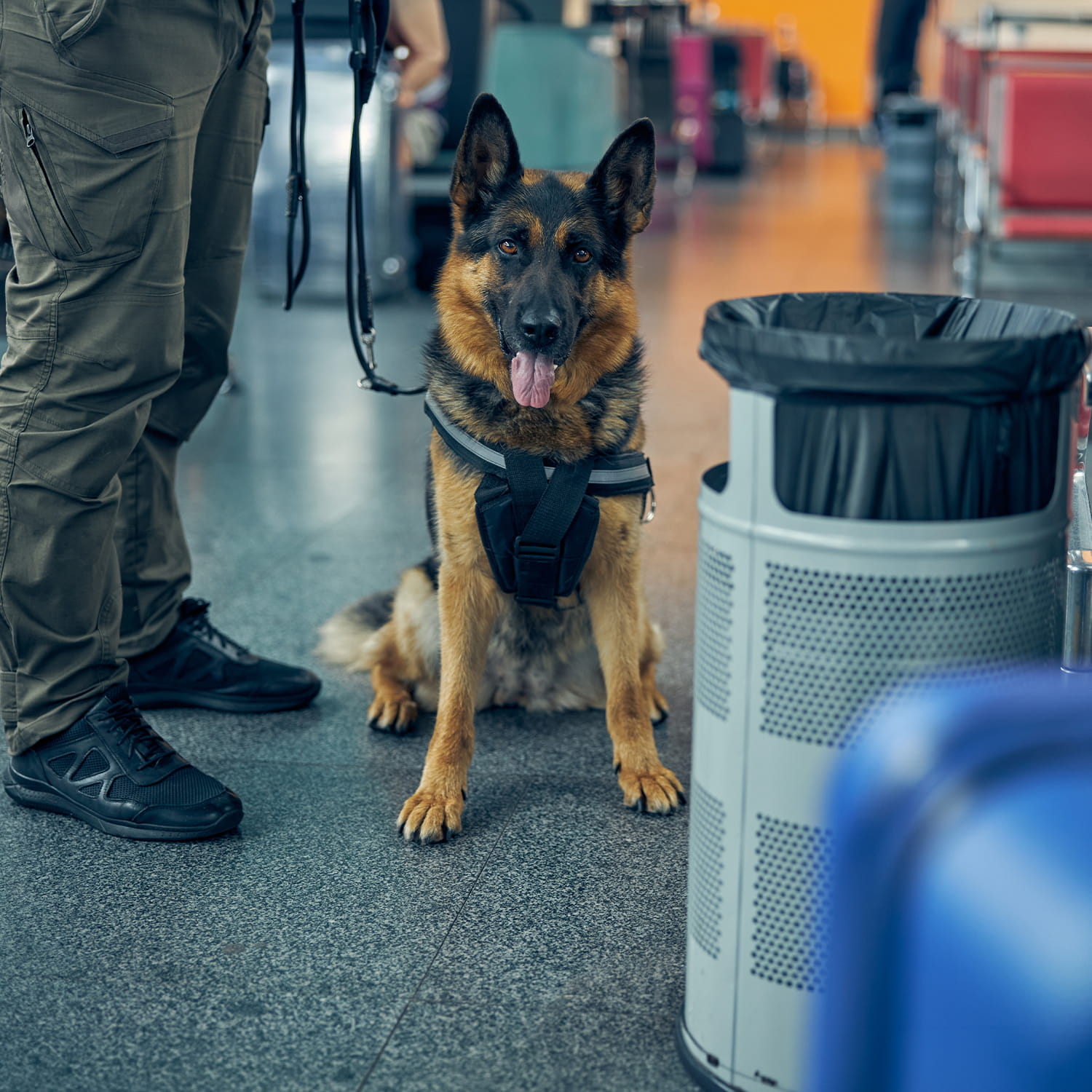
K9 Security Dogs
Add a visible, responsive layer of protection to sites where people-only guarding may leave gaps. OCS K9 security dogs work with trained handlers to deter intrusion, search large or complex areas and support specialist detection assignments.
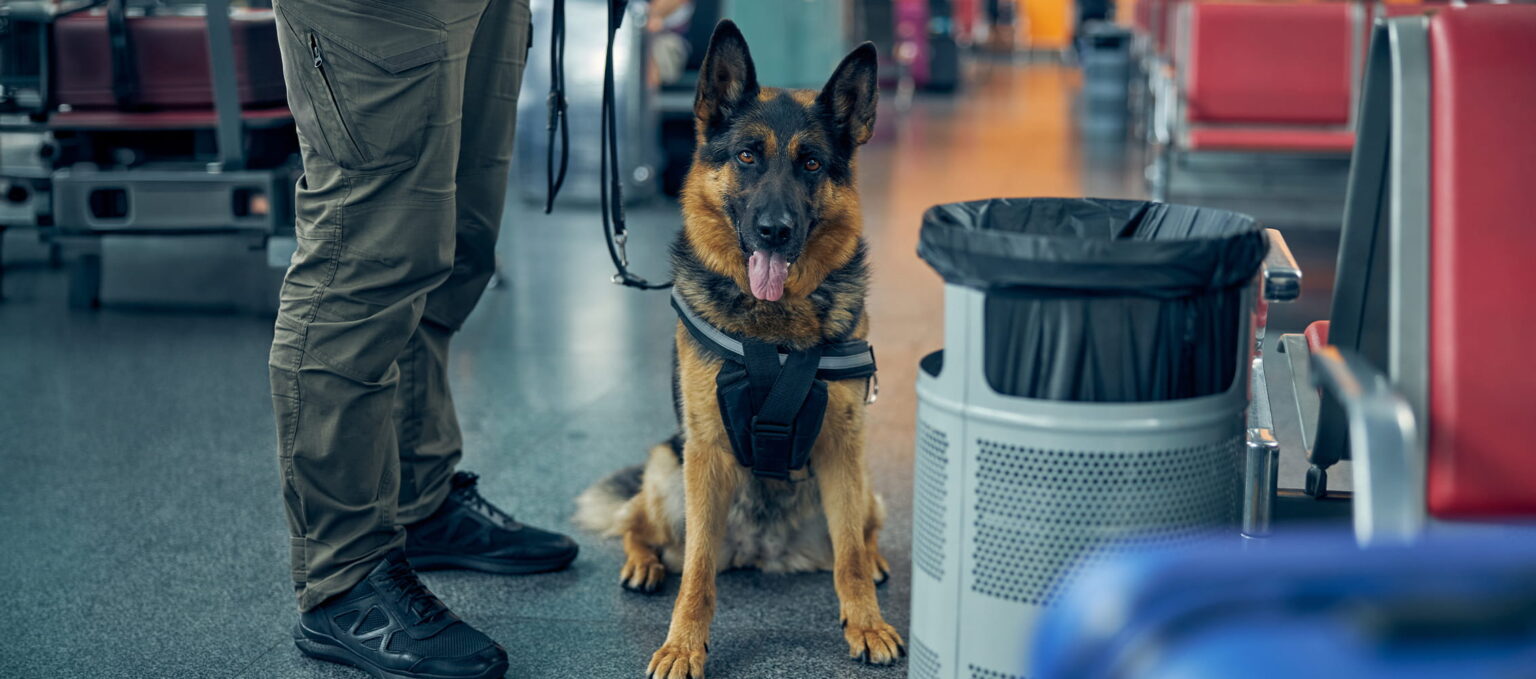
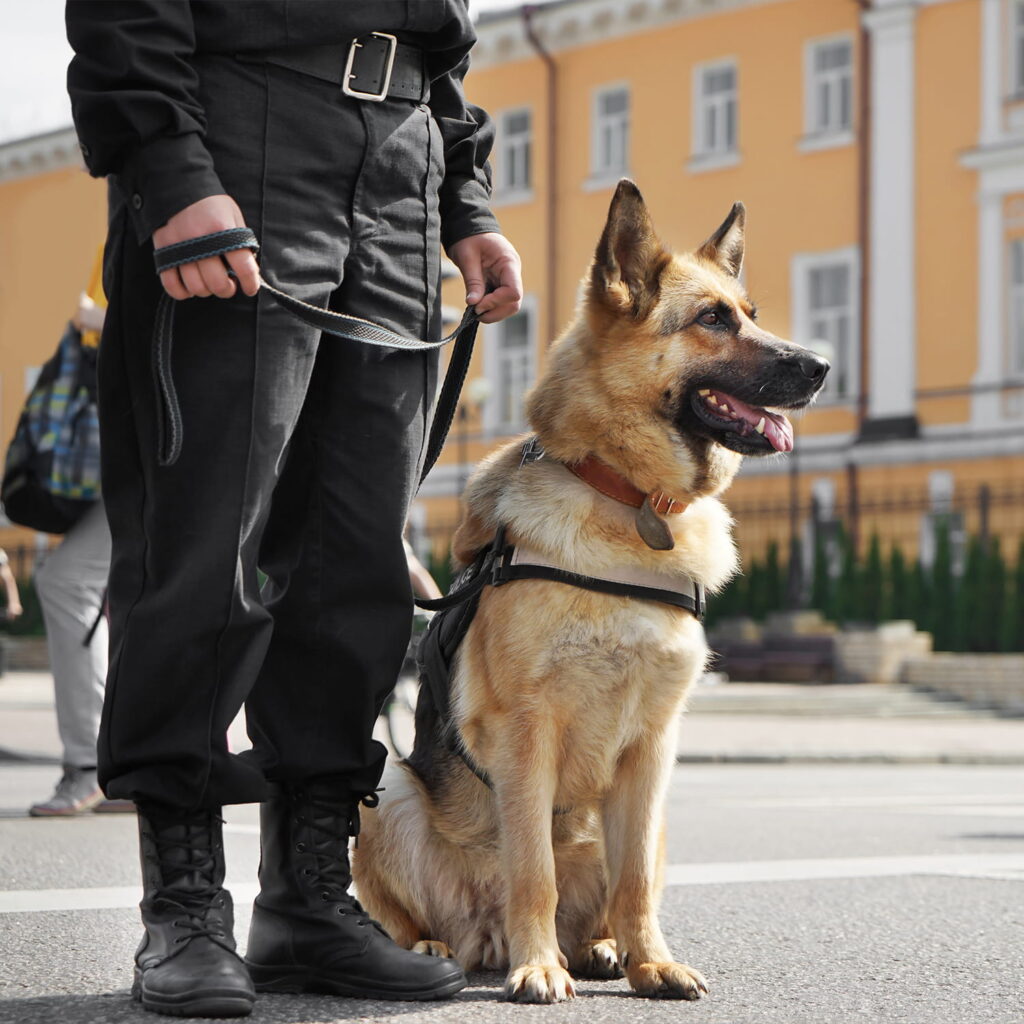
Increase Deterrence and Extend Search Capability
Large perimeters, low-light areas, stored goods and changing site layouts can make conventional patrols harder to manage. Events and public environments create a different challenge: teams may need to screen people or search spaces without disrupting normal movement. In both cases, the service must be proportionate, controlled and easy to coordinate with other security measures.
A trained dog and handler team brings mobility, heightened scent and sound detection, and a strong visible presence. The handler directs every task, reads the dog’s indications and communicates findings so the wider security team can decide what happens next.
Canine Security Services
Canine Security Services for Every Task
We select teams according to the environment, the substance or threat being addressed and the way the site operates. A pre-deployment assessment defines search areas, interfaces with staff and the public, welfare requirements, reporting and escalation.

Technology and Monitoring That Guide Action
Video surveillance, access control, perimeter detection and intruder alarms can help direct K9 teams to the right area. The handler confirms observations and reports the outcome within a coordinated response.
The OCS National Operations Centre can provide 24/7 monitoring, incident triage, response coordination and digital reporting across customer sites. This can identify repeat intrusion routes, recurring times and areas needing physical or technology changes. Technology remains a supporting layer, with OCS Security Systems assessing cameras, alarms, sensors and access control where a new system design is needed.
Where K9 Security Can Add Value
Security dog services suit open, crowded, high value or dispersed environments. Each assignment assesses people, public access, operating hours, noise, terrain, animal welfare, emergency arrangements and coordination with existing officers or event staff.
-

Construction & Utilities
Supporting construction sites, utilities and infrastructure projects with visible deterrence and controlled searches.
-
Manufacturing
Supporting warehouses, logistics yards, manufacturing plants and distribution centres across varied operating hours.
-
Commercial Estates
Protecting commercial estates, vacant sites and development land with task-led patrol and search capability.
-
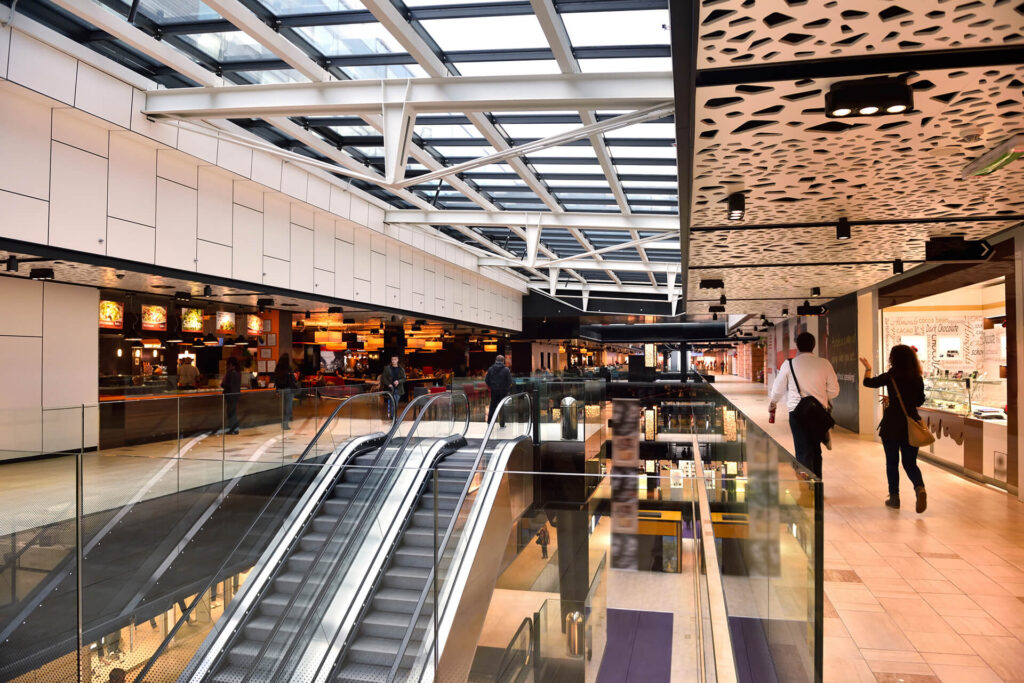
Retail & Events
Supporting retail, hospitality, entertainment venues and festivals with planned patrol, screening and detection activity.
-
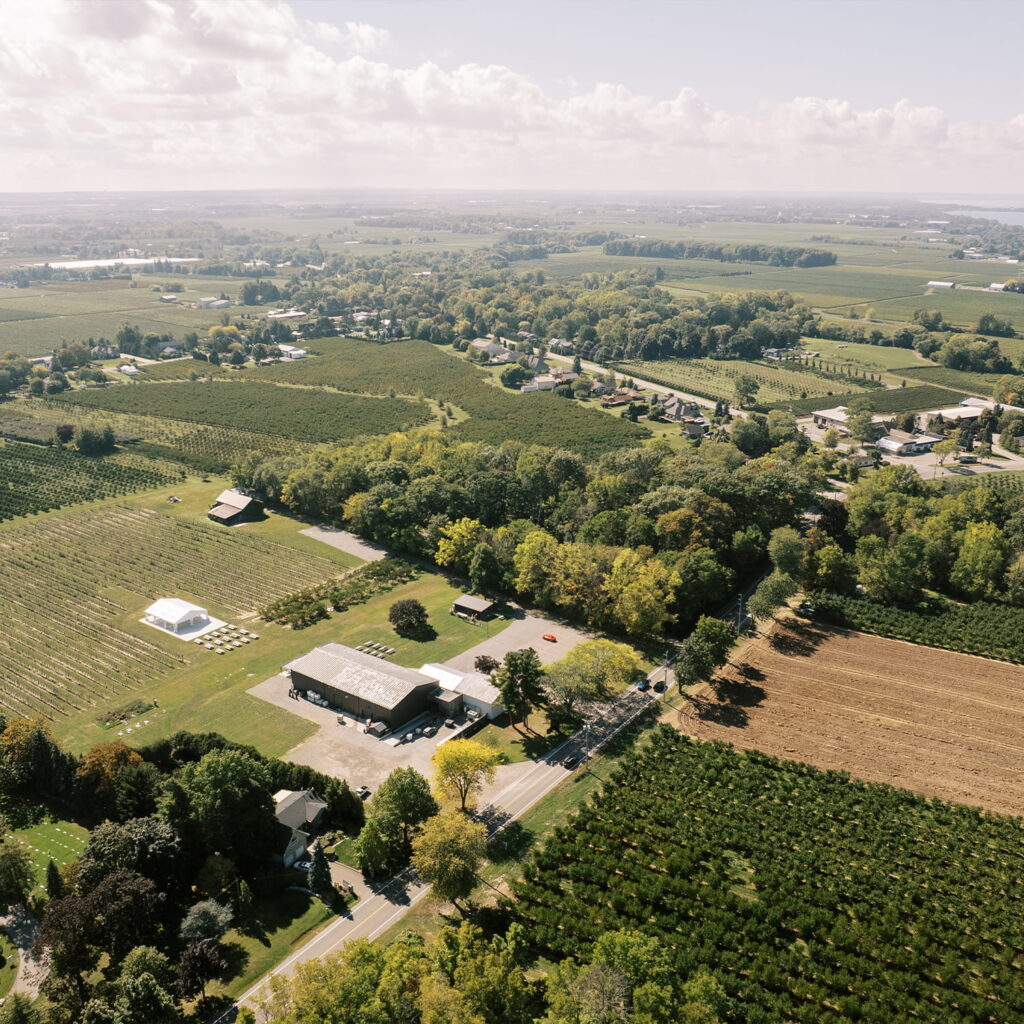
Rural Environments
Providing a visible security presence across farms, rural estates and other large outdoor environments.
-

Education & Transport
Supporting education, public-sector and transport environments with defined screening needs.
Proven, Trusted, Accredited
K9 security services are delivered through documented deployment plans, handler instructions, escalation procedures and animal welfare controls. Recognised industry accreditations, ongoing training and independent assessment support safe, consistent patrols, reliable detection and compliance with agreed site requirements.


































Explore Our Latest Security News, Insights and Customer Projects
-
Our People | Security
Michelle Elmore: Celebrating 42 Years On The Frontline
OCS Team
15 Sep, 2026
Read more -
Aviation | Facilities Management
From Dublin to Edinburgh: The Power of Regional Aviation
OCS Team
20 Aug, 2026
Read more -
Aviation | Cleaning | Soft Services
From Laundry to Cabin Cleaning Services: A Decade of Partnership with Virgin Atlantic
OCS Team
18 Aug, 2026
Read more -
 Our People | Security
Behind The Uniform: The Colleagues Keeping the UK and Ireland Safe
OCS Team
24 Jul, 2026
Read more -
 Acquisitions | industry news
OCS Announces Recommended Acquisition of Mitie
OCS Team
21 Jul, 2026
Read more -
 Careers | Facilities Management
FM’s Role in Giving Young People a Route into Work
OCS Team
02 Jul, 2026
Read more

Let’s Discuss Your K9 Security Requirements
Tell us what you need a dog team to deter, find or protect. We will assess the environment, select the right capability and plan the deployment around your operation. Please include the location, dates, hours, site or event type, expected footfall, target threat or substance, existing security and any public access constraints.
Frequently Asked Questions
-
K9 teams are useful where a visible deterrent, wider search capability or trained scent detection is required. Common uses include perimeter patrols, building or vehicle searches, event screening and targeted searches for drugs, explosives or other defined substances.
-
General-purpose patrol dogs support deterrence, tracking, searching and handler protection. Detection dogs are trained to identify defined odours and give a controlled indication to their handler. The dog type and operating plan are selected for the task.
-
Passive detection observes people moving through a controlled area, with the dog giving a passive indication near a target scent. Proactive detection searches a defined space, vehicle or object. Both approaches require an agreed process for managing an indication.
-
For relevant patrol work, handlers are qualified to a minimum NASDU Level 2 standard or accepted equivalent. Additional training and competency requirements apply to specialist detection tasks. We confirm the standard proposed for each deployment.
-
The deployment assessment considers working time, rest, transport, water, environment, public interaction and emergency arrangements. The handler remains in control of the dog and can stop or adapt an activity if conditions are unsuitable.
-
Yes. We define roles, communications and escalation so the dog team supports the wider operation. K9 patrols can work alongside guarding, mobile patrols, event teams, monitoring and security technology.
-
OCS assesses K9 requirements for locations across the UK. Availability, mobilisation time and the right specialist capability depend on the site and task, so coverage is confirmed during solution design.
-
Reporting is agreed for the assignment and can include patrol or search activity, areas covered, indications, incidents, actions and escalation. For recurring deployments, trend review can help refine coverage and wider security controls.