

-
Healthcare Facilities Management Services
Safe, reliable healthcare environments that protect patients, support clinical teams and keep care moving, with facilities services shaped around the demands of hospitals and healthcare estates.
Facilities Management That Protects Care and Keeps Healthcare Moving
Every healthcare estate must balance patient safety, clinical continuity and regulatory compliance with growing pressure on budgets, infrastructure and resources.
Our healthcare facilities management teams combine specialist sector expertise with operational insight to help hospitals and healthcare providers understand how their buildings, assets and services perform. By bringing facilities data, healthcare analytics for the estate and frontline knowledge together, we help customers act earlier, manage risk and direct resources where they can make the greatest difference.
The result is a safer, more resilient healthcare environment that allows clinical teams to focus on patient care.

OCS Healthcare Sector in Numbers
The scale of our healthcare services and the positive impact our teams deliver for patients, professionals and communities every day.
-
400+
NHS sites served every day by more than 5,000 healthcare colleagues.
-
£15M
Social and economic value generated through our work since 2022.
-
7.3M
Patient moves completed every year by our healthcare portering teams.
-
2M
Meals provided every year for patients and healthcare professionals.
Facilities Management for Healthcare
Services That Support Safer Care and Stronger Estate Performance
-

One Team Behind Better Care Environments
Coordinated services and clear accountability help complex healthcare estates operate more effectively. Our Total Facilities Management approach brings essential hospital services together through one accountable delivery model.
- Integrated Healthcare Services – Hard services, hospital cleaning, security, catering, portering, pest control and other services coordinated around patient and clinical priorities.
- Estate Wide Visibility – Operational reporting brings service, asset and performance information together, supporting healthcare operational efficiency and better-informed decisions.
- Consistent Standards – Structured governance and coordinated delivery across individual hospitals, multi-site NHS organisations and wider healthcare estates.
Connected systems and real-time performance data can support smart hospital strategies, helping healthcare providers move from reactive service management to earlier, evidence-led action.
-

Reliable Infrastructure for Uninterrupted Care
Hospitals depend on resilient buildings and critical systems around the clock. Our engineering teams maintain healthcare infrastructure to protect patient safety, clinical continuity and long-term estate performance.
- Critical Asset Reliability – Planned maintenance informed by asset condition, service history and operational risk, helping prevent avoidable failures.
- Healthcare Asset Management – Clear information about asset performance and lifecycle requirements supports hospital asset management, investment planning and responsible use of budgets.
- Compliance and Safety – Statutory inspections, testing and maintenance across mechanical, electrical, HVAC, water, medical gas and building management systems.
Our hard services expertise helps healthcare providers reduce disruption, extend asset life and maintain the dependable environments that care teams need.
-

Lower Costs and More Resilient Healthcare Estates
Healthcare buildings have intensive and continuous energy requirements. Effective hospital energy management helps control costs, protect operational resilience and support progress towards net zero.
- Energy Optimisation – Monitoring, audits and building controls identify inefficiencies and reduce unnecessary consumption.
- Carbon Reduction – Practical improvement programmes and clear reporting support NHS sustainability commitments and long-term decarbonisation.
- Informed Investment – Energy and asset performance insight helps healthcare providers prioritise improvements and demonstrate their value.
Our energy specialists help hospitals reduce waste, improve building performance and make measurable progress towards more sustainable healthcare estates.
-

Protecting People and Places
Healthcare environments are open, complex and often emotionally demanding. Our hospital security services protect patients, healthcare professionals, visitors and assets while maintaining a calm and reassuring presence.
- Visible Protection – Trained security officers, CCTV, access control and car park management support safe, controlled healthcare environments.
- Risk Led Operations – Local risk assessments, incident information and vulnerability reviews inform hospital security arrangements and response planning.
- Appropriate Response – Colleagues trained to manage conflict professionally and support the specific needs of patient-facing and sensitive environments.
Our healthcare security teams combine vigilance with empathy, helping hospitals remain safe, accessible and focused on care.
-
Safer Spaces for Care
Clean, hygienic environments are fundamental to patient safety and confidence. Our healthcare cleaning services support infection prevention, clinical compliance and consistently high standards across hospitals and other care settings.
- Healthcare Focused Cleaning – Cleaning programmes shaped around wards, theatres, treatment areas, public spaces and other clinical environments.
- Infection Prevention – Trained hospital cleaning teams follow relevant healthcare cleanliness standards, site procedures and controlled cleaning protocols.
- Visible Assurance – Structured supervision, auditing and performance reporting help maintain standards, identify risks and support inspection readiness.
Our specialist cleaning teams help protect patients, colleagues and visitors while keeping healthcare spaces ready for care.
-

Food That Supports Recovery and Wellbeing
Nutritious food contributes to patient recovery, wellbeing and a better hospital experience. Through Angel Hill Food Co., we provide healthcare catering services shaped around patient needs and the demands of busy clinical environments.
- Patient Focused Nutrition – Appealing menus designed around nutrition, dietary requirements and different patient needs.
- Safe Compliant Delivery – Food preparation and service managed through clear safety, allergen and operational controls.
- Better Food Experiences – Digital ordering, coordinated meal delivery and informed menu planning support patients, visitors and healthcare colleagues.
Our catering teams help healthcare providers deliver safe, nutritious food that supports recovery and makes everyday care experiences better.
ESG Commitment for Healthcare Estates
Responsible facilities management that supports healthier environments, stronger communities and sustainable healthcare services.

-
Supporting Healthcare Net Zero Goals
Healthcare providers are working to reduce carbon emissions without compromising resilience or patient care. Our energy and engineering teams help optimise buildings, reduce consumption and prioritise practical carbon reduction measures across healthcare estates.
-
Creating Social Value Through Healthcare Partnerships
Healthcare contracts can create benefits far beyond the estate. Through employment, apprenticeships, training, local supply chains and community partnerships, we help customers generate opportunities and lasting social value in the communities they serve.
-
Building Safe Responsible Care Environments
Our TRUE Values guide how colleagues work across healthcare settings. Strong governance, responsible procurement, ethical practices and a culture of care support trusted partnerships and the wellbeing of patients, visitors and healthcare professionals.
-
Supporting Healthcare Net Zero Goals
Healthcare providers are working to reduce carbon emissions without compromising resilience or patient care. Our energy and engineering teams help optimise buildings, reduce consumption and prioritise practical carbon reduction measures across healthcare estates.
-

Creating Social Value Through Healthcare Partnerships
Healthcare contracts can create benefits far beyond the estate. Through employment, apprenticeships, training, local supply chains and community partnerships, we help customers generate opportunities and lasting social value in the communities they serve.
-
Building Safe Responsible Care Environments
Our TRUE Values guide how colleagues work across healthcare settings. Strong governance, responsible procurement, ethical practices and a culture of care support trusted partnerships and the wellbeing of patients, visitors and healthcare professionals.
Best Service Excellence for Healthcare
Best Service Excellence supports healthcare providers in maintaining safe, efficient and resilient environments where patients can receive care and clinical teams can perform at their best.

Technology and Insight for Smarter Healthcare Environments
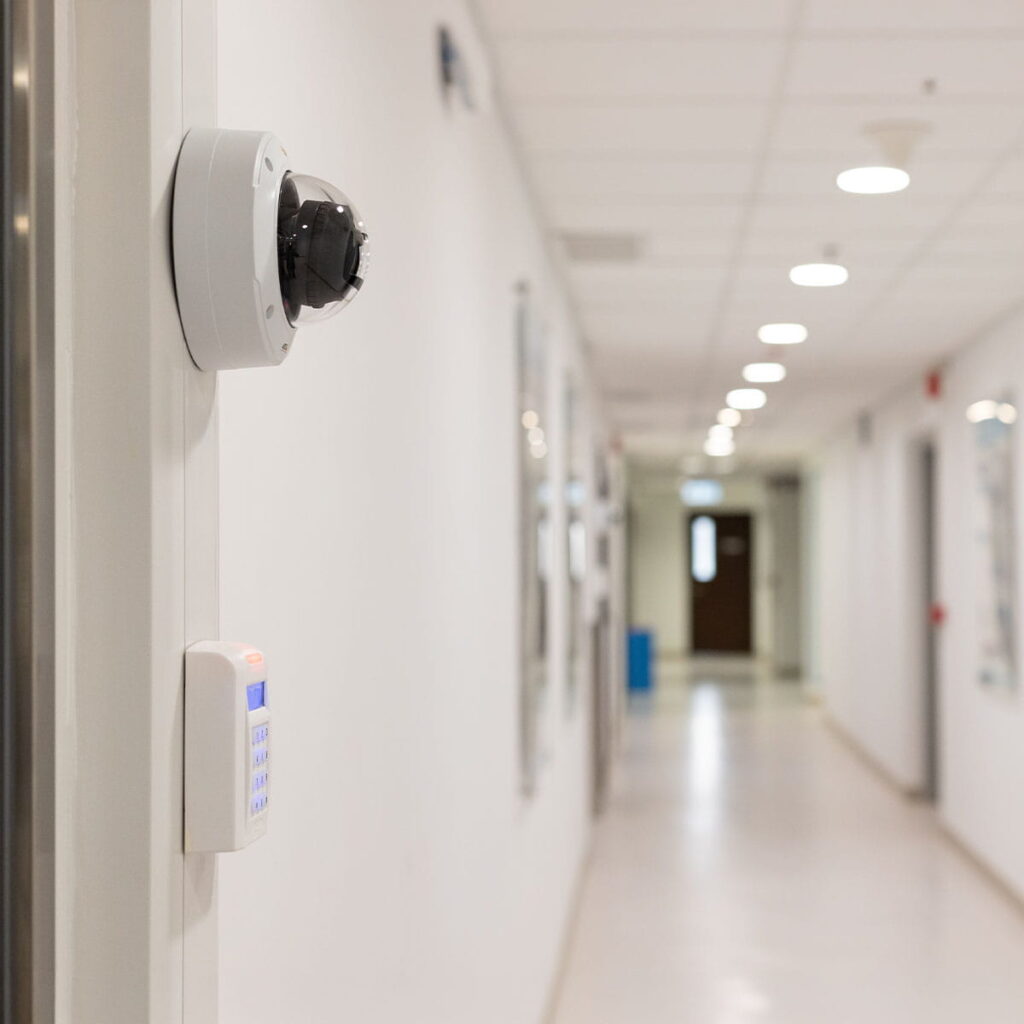
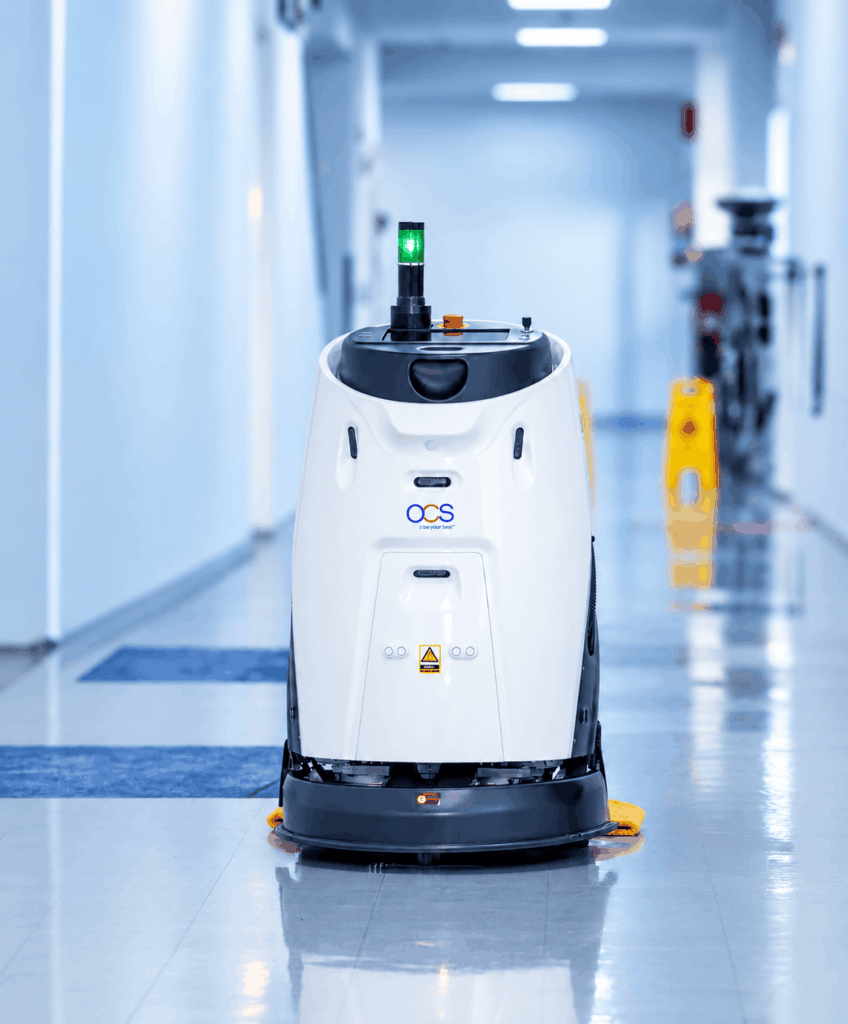
Technology helps healthcare environments remain safe, compliant and operational. Our teams use connected systems, live data and intelligent monitoring to support patient flow, clinical performance and facilities management across hospitals and NHS estates.
Healthcare News and Insights
Discover how OCS supports healthcare providers through specialist facilities management, estate intelligence, sustainable operations and long-term partnerships.
-
 Acquisitions | industry news
OCS Announces Recommended Acquisition of Mitie
OCS Team
21 Jul, 2026
Read more -
Energy Services | Facilities Management
Rising Heat, Failing Cooling: How FM Keeps Sites Running as the UK Warms
Nick Maggs, Managing Director, Hard Services – OCS UK
16 Jul, 2026
Read more -
 Energy Services | Net Zero Week
Net Zero and Beyond: Why Delivery Is Now the Real Challenge
Graeme Hamilton – Managing Director – Energy, OCS UK & Ireland
08 Jul, 2026
Read more -
 Energy Services | Net Zero Week
Net Zero and Beyond: Why Energy Management Must Move From Strategy to Operations
Graeme Hamilton – Managing Director – Energy, OCS UK & Ireland
06 Jul, 2026
Read more -
 Careers | Facilities Management
FM’s Role in Giving Young People a Route into Work
OCS Team
02 Jul, 2026
Read more -
 Resilience Week 2026
: Five Pillars, One Principle
OCS Team
05 Jun, 2026
Read more
Strengthening Performance Across Healthcare Estates
From acute hospitals and mental health settings to community facilities and complex multi-site estates, effective facilities management protects patient safety, clinical continuity and long-term estate performance.
Speak with our Healthcare team about how greater visibility, earlier action and coordinated services could support your organisation.
Frequently Asked Questions
-
Healthcare facilities management covers the services needed to keep hospitals and other healthcare environments safe, compliant and operational. It includes building maintenance, healthcare cleaning, catering, security, portering, energy management, pest control and integrated facilities services that support patient care.
-
OCS provides hospital facilities management services including Total Facilities Management, hard services, planned and reactive maintenance, hospital cleaning, catering, portering, hospital security services, energy management and pest control. Services can be delivered individually or through an integrated model.
-
Reliable buildings and well-coordinated support services reduce avoidable disruption and help clinical teams concentrate on patients. Effective facilities management in healthcare also supports infection prevention, safety, compliance, patient movement and a positive care experience.
-
Planned maintenance, healthcare asset management and operational reporting help providers understand risk, asset condition and service performance. This supports earlier intervention, stronger cost control and more informed investment across hospital estates.
-
Facilities, asset and service data provide a clearer view of how healthcare estates perform. Combined with frontline expertise, this intelligence helps teams identify risks, prioritise work, improve hospital asset management and turn performance information into practical action.
-
Yes. Connected systems, sensors, digital task management and operational reporting can support smart hospitals by improving visibility across building systems and facilities services. The technology is used to help teams identify priorities, coordinate activity and respond more effectively.
-
Our hospital cleaning teams follow healthcare-specific cleaning procedures and relevant site standards. Training, supervision, auditing and performance reporting help maintain consistent hygiene across wards, treatment areas, public spaces and other healthcare environments.
-
Healthcare providers should look for proven sector experience, strong governance, suitably trained teams and the ability to maintain services around clinical operations. Healthcare facility management companies should also provide clear accountability, reliable performance information and evidence that they can support patient safety and regulatory compliance.
-
Hospital security services combine trained officers, access control, CCTV, incident response and local risk assessment. In patient-facing environments, security colleagues also need the communication skills and specialist training to manage challenging situations calmly and appropriately.
-
Yes. Energy monitoring, audits, building controls and targeted efficiency measures can reduce waste and operating costs. Hospital energy management also provides the performance information needed to prioritise investment and support progress towards net zero.