Our People | TRUE Stories

Richard’s TRUE Story: Listening to Lived Experience

OCS Team

OCS Team

10 Oct, 2026

Richard’s TRUE Story: Listening to Lived Experience

Content note: This story discusses a serious assault, physical injury and the lasting impact of trauma.

Sometimes, you cannot see what someone is carrying on the inside.

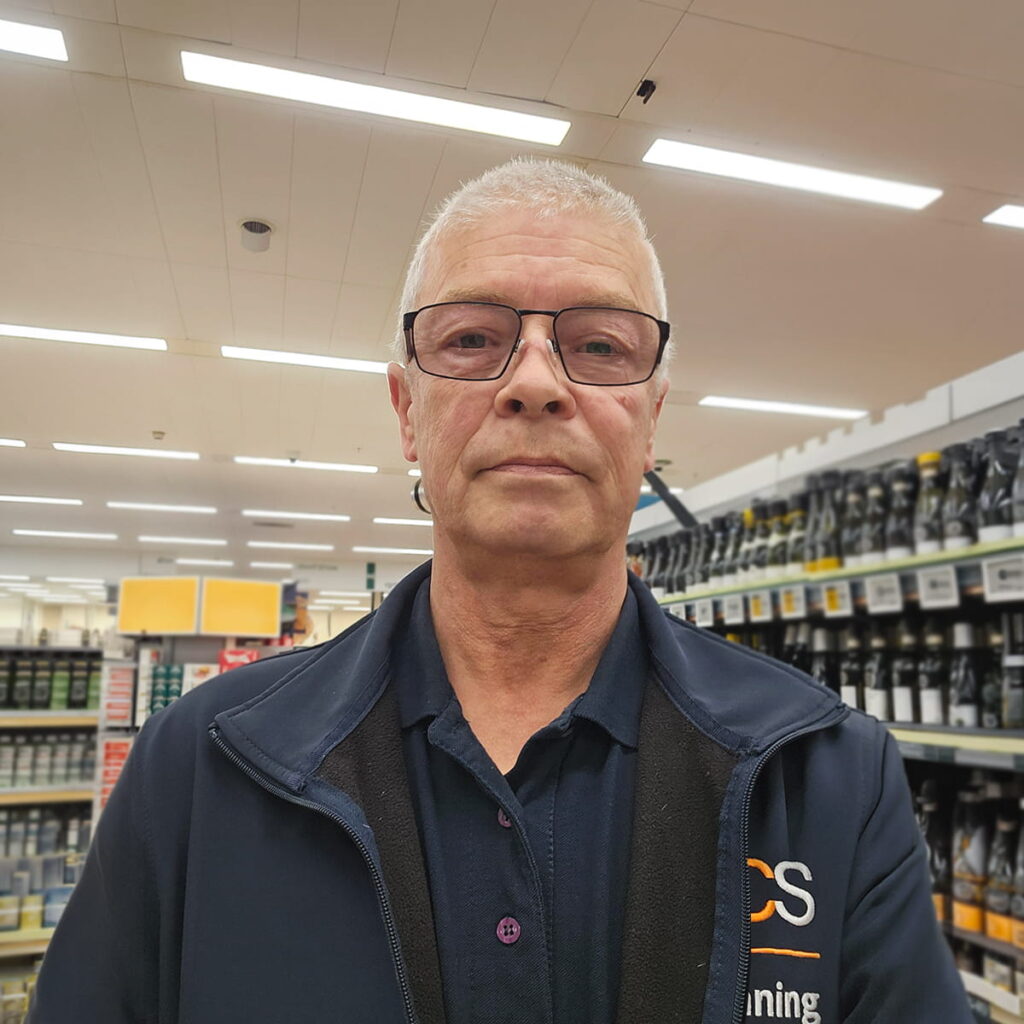
Richard Lount has lived with the physical and psychological effects of a serious assault for more than 30 years. Now a Hygiene Manager with OCS at Morrisons in Anlaby, he has chosen to share his story because he wants people who may have experienced something similar to know one thing: they are not alone.

On World Mental Health Day 2026, the World Health Organisation is calling for people’s lived experiences to be heard and to help create real change. Richard’s story is a reminder of what that can mean in practice: listening without judgement, giving people space to speak, and taking the time to understand what might be going on for someone in spite of what we see on the surface.


 

I Woke Up in Hull Royal Infirmary

On a Saturday night in 1994, Richard, aged 25, met his friends at a local pub. He’d been there many times before and was familiar with the landlord and bar staff. After a few drinks, he decided to head home.

“I remember getting hold of the pub door and opening it,” Richard recalls. “But I have absolutely no recollection of that door closing behind me.”

His next memory is of waking from a coma up in hospital six weeks later, connected to life support machines.

His best friend had found him lying face down outside the pub, having been attacked. He had serious physical injuries including a fractured skull and the loss of the use of his right leg.

There was no clear explanation of what had happened, no one was ever arrested, and Richard still does not know who his attackers were.

Life Changing Events

After leaving hospital, Richard stayed with his parents while he made a slow recovery. He was told that, due to the risks associated with his head injury, he would not be able to continue his career as a motor mechanic.

Having previously also served as a Royal Navy marine engineer, the events of that night meant Richard would now have to rethink his entire career.

More importantly he had to face the physical, mental and emotional challenges ahead, including learning to walk again. One moment during his recovery stands out for him as, after months of physiotherapy, he managed to take three steps without assistance.

“I sat down and burst out crying,” he says. “Because I thought, if I can do three steps, I can do more.”

After six more months of hard work Richard was able to walk again, but it took around a year before he felt psychologically able to go outside and begin rebuilding his confidence.

The Injuries You Cannot Always See

Thirty-two years on, the physical effects of the attack are still part of Richard’s day to day life, and he continues to experience pain in his legs. But he says the mental impact has been far harder to deal with.

Richard was diagnosed with Post-Traumatic Stress Disorder (PTSD), which for him means that being around groups of people can still trigger extremely difficult feelings and involuntary, trauma-related reactions.

“I think the mental impact has been much worse than the physical,” he says.

Someone meeting Richard today might only see a colleague going about his day, managing his team and getting on with his work. They are unlikely to understand why certain situations can be challenging for him. For Richard, that is at the heart of the message he wants to share.

“You look at people and on the outside, you think they’re fine, but on the inside that’s not always the case.”

avatar

Richard Lount

Hygiene Manager

Finding a New Direction

After one unpredictable, violent act, the landscape of Richard’s life had changed. But he knew that finding work was an important part of rebuilding his independence and identity.

He moved into a career in cleaning and says it helped him get back to steady ground. Since then, he has worked in various sites and management roles before taking up his current position as a Hygiene Manager within the Soft Services sector.

Today, he manages a team of four colleagues, enjoying the practical side of the role and the satisfaction that comes from seeing the results of the team’s work.

“I get a great sense of satisfaction out of it,” he says.

Importantly, Richard says he feels safe around the people he works with.

Listen to People. Let Them Explain. Don’t Judge.

Richard has not always found it easy to explain what he’s been through, and for many years colleagues knew little about the attack or its lasting effects, as he tried to mask the impact, even when things got really difficult.

That is why he believes managers and colleagues have such an important role to play when someone is struggling.

“Listen to people. Let them explain. Don’t judge them.”

avatar

Richard Lount

Hygiene Manager

Richard says there are still times when he can feel overwhelmed and needs a few minutes of quiet to calm his mind. Giving someone that space can make a difference.

Why Richard Chose to Tell His Story

Sharing the personal impacts of something so difficult hasn’t been easy for Richard. But he understands, more than most, that the traumatic effects of physical and emotional injury can keep you silent and leave you feeling isolated. He wants people to know they’re not alone.

“If somebody else has gone through something similar, you’re not on your own. If they find out somebody else has come through it, they might feel a little bit less alone.”

avatar

Richard Lount

Hygiene Manager

Talking to someone who has experienced something similar can make a difference, and he hopes his story might reach someone who has been carrying something quietly.

Richard has rebuilt his career, raised a family, and now has four grandchildren. He continues to work, manage his team and find satisfaction in his role. The physical impact remains, as do the psychological effects.

For colleagues supporting someone who has experienced trauma, Richard believes patience, listening and understanding matter. He hopes to help bring understanding to others and give people the space to talk and to listen.

“We need to take time to understand what’s going on because it’s not always a run-of-the-mill thing a person is struggling with. Some things go much deeper,” he explains.

If You Need Support

Speak to someone you trust. A friend or family member, colleague or manager may be able to give you the space to talk and listen without judgement.

Speak to your GP. If you are struggling with the effects of trauma, your GP can discuss the range of support available to you. According to NHS guidance, treatments such as trauma-focused cognitive behavioural therapy and EMDR can help people experiencing PTSD. (Source: NHS, Post-traumatic stress disorder (PTSD) – treatment, nhs.uk.

Victim Support offers free and confidential 24/7 support to people affected by crime and traumatic incidents in England and Wales. You do not have to have reported a crime to access support. Call the Support Line on 0808 1689 111.

Samaritans is available if you are finding things difficult and need someone to talk to. You can call 116 123 free, day or night, 365 days a year.

Find Out More About How OCS Supports Colleague Wellbeing and Mental Health

Find Out More About How OCS Supports Colleague Wellbeing and Mental Health

Learn More

Share this story