Hundreds of thousands of young people across England, Wales and Northern Ireland are deciding what comes next now that A-level, T-level, BTEC and GCSE results are out: university, an apprenticeship, or straight into work. It should be a moment of opportunity. For many, the stakes feel higher than that. Facilities management careers offer one route, and employers have a part to play in making it visible.
One Million Young People Outside Work and Study
More than one million 16 to 24-year-olds are currently not in education, employment or training (NEET). Behind that figure are young people who have struggled to find a foothold in working life. Alan Milburn’s recent review into youth unemployment points to a longer-term problem than temporary joblessness. Nearly 60% of young people who are NEET are economically inactive, and more than six in ten have never had a job.
The review also points to a wider problem with the jobs market. The first rung on the career ladder is harder to reach: entry-level roles are in decline, recruitment has become more automated, and employers increasingly ask for experience from people who have not yet had the chance to gain it. Employers cannot solve this challenge alone, but we can make a practical difference.
What Facilities Management Careers Offer Young People
Facilities management offers jobs in the critical places people depend on every day, including hospitals, transport networks, workplaces and data centres. It also offers something that is often overlooked: the chance to start in one role and build a career over time.
OCS employs more than 135,000 colleagues worldwide and serves more than 8,000 customers. That scale gives a young person a wide choice of sectors and specialisms to grow into. Someone joining a cleaning team might move into a specialist role or infection prevention, a security officer into control room operations or risk management, and an engineering apprentice into compliance or operational management.
Careers follow different routes. A first job should pay a wage at the end of the month and also provide a flexible pathway for young people to build practical and transferable skills, take on responsibilities and grow in confidence at work.
The breadth of opportunity in facilities management careers is often underestimated. People can build facilities management careers that take them from frontline operations into engineering or technology. Progression depends on employers making routes visible and flexible, and giving people the support and encouragement to explore new opportunities.


Why Managers Make the Difference
Managers play a big part in this. Young people need managers who notice their potential, training that fits around the realities of working life, and a clear understanding of where their first role could take them. A good manager can be the difference between someone seeing a job as temporary and beginning to imagine a longer-term future.
How OCS Recruits and Develops Young Colleagues
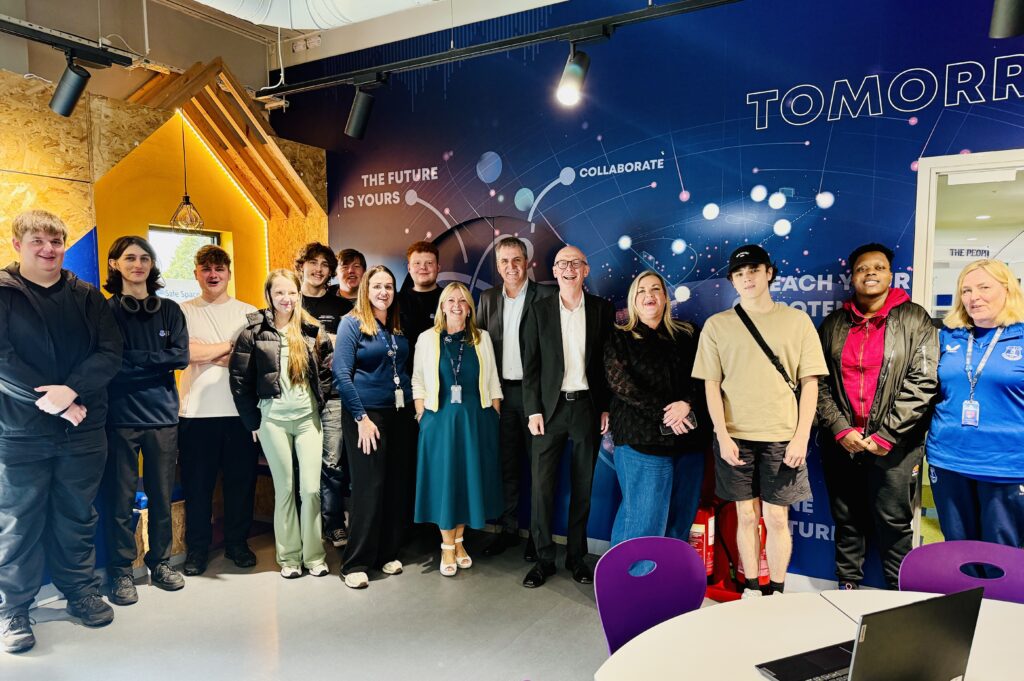
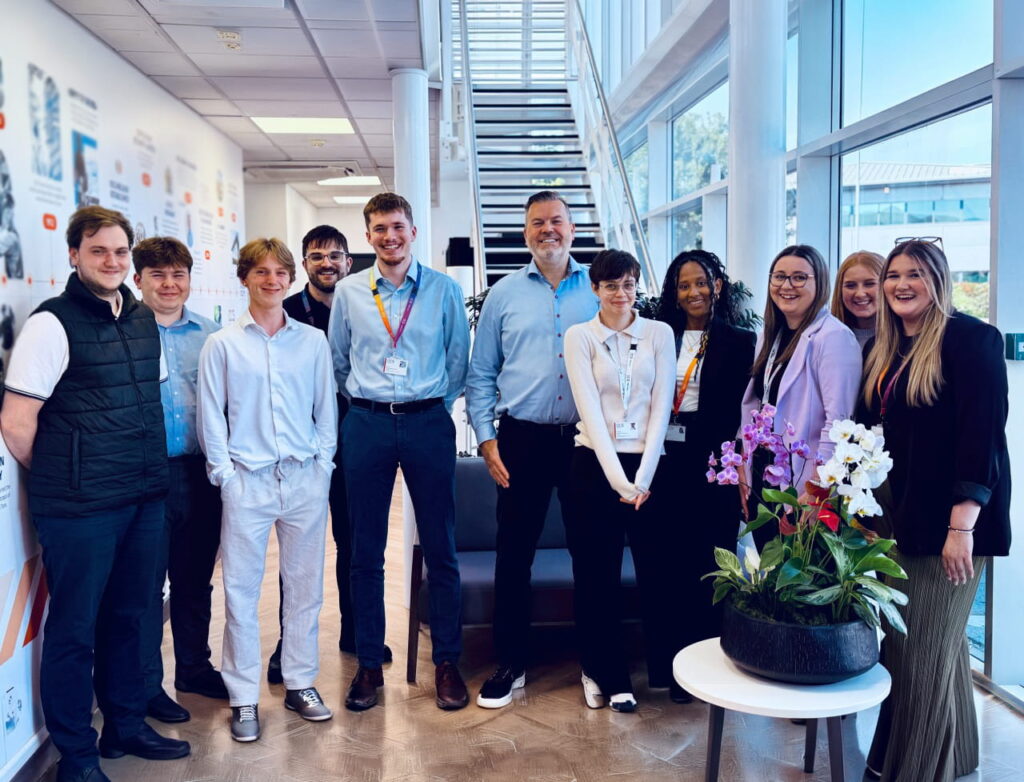
This is already part of how OCS hires. Last year, we brought in 3,500 colleagues aged 18 to 24, one in five of our UK hires, and 582 of them were considered NEET before they joined us. OCS also has more than 1,000 colleagues in live apprenticeships, led by senior leaders who started their careers on the frontline. One of our managing directors began as a cleaning supervisor more than 20 years ago.
Those stories matter. They show that ability is not always captured on a CV or revealed during an interview. Sometimes potential shows when someone is trusted to do more and given the support to grow.
Rob Legge
Group Chief Executive Officer, OCS Group
Young people are weighing their options this summer, and employers should look just as closely at the opportunities we are putting in front of them. A first job should give someone experience, confidence and insight into where they could go next. Facilities management careers can offer that start to working life, and our sector should be proud to provide it.