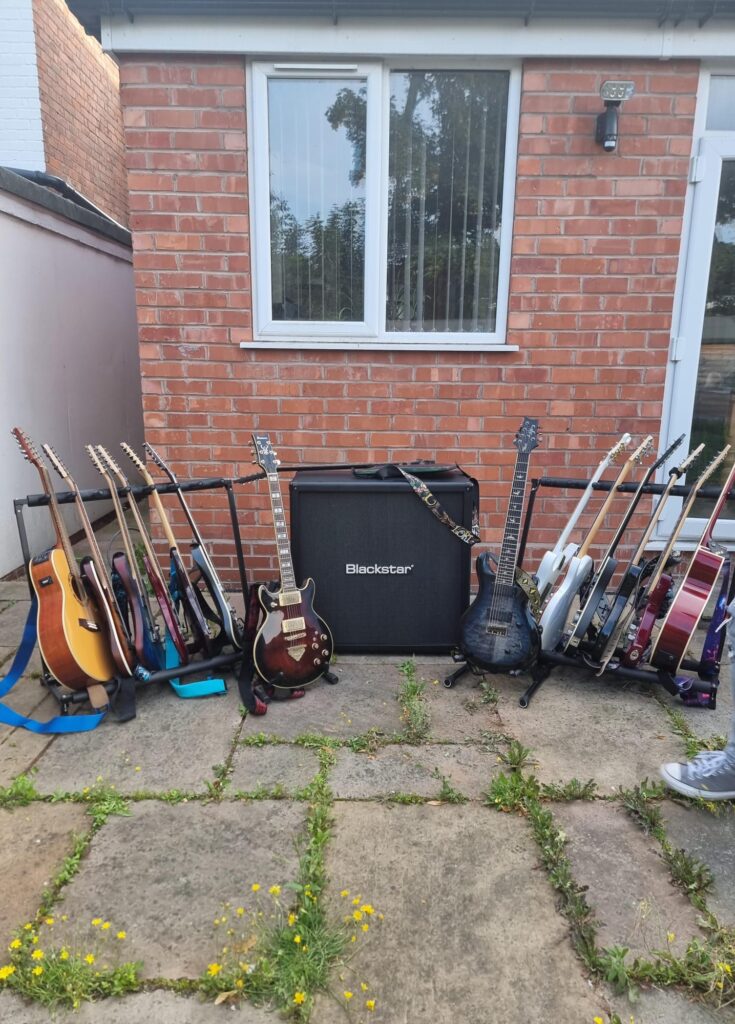
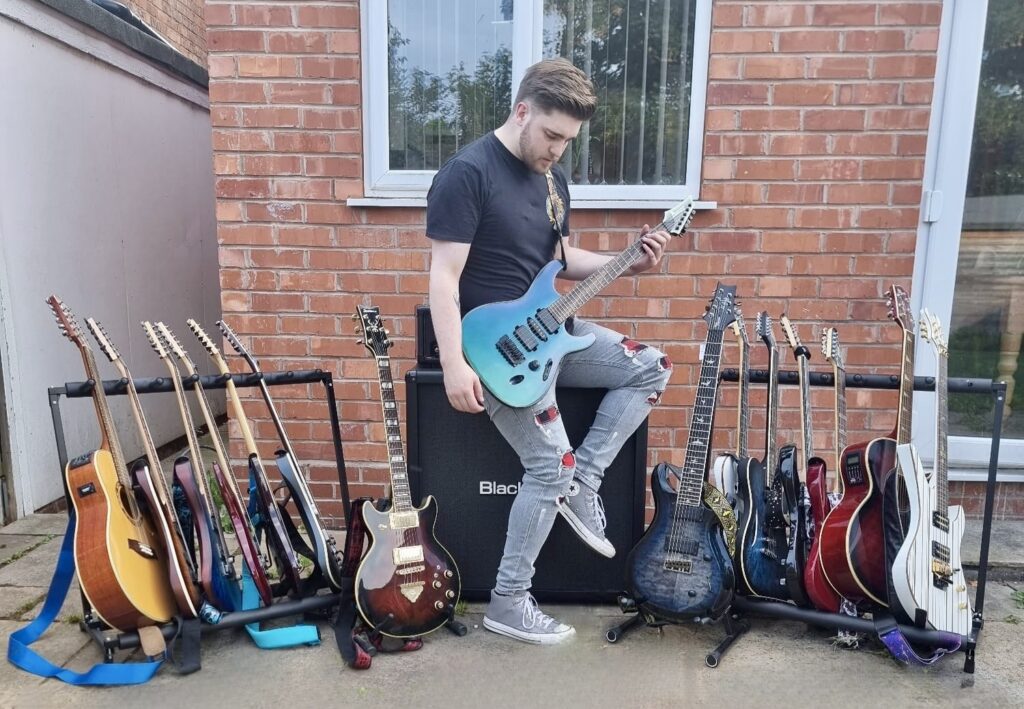
Mark Chapman’s first step toward becoming a guitarist coincided with him receiving his first paycheck as an apprentice with OCS and the NEC Group. As a music-loving young man, working as a steward at popular music venues in Birmingham, he felt awash with inspiration. Having always wanted to pick up the guitar, the moment his first paycheck graced his account, he hopped on Amazon and ordered himself a guitar. Days later, he was teaching himself how to play. Now, a decade on, no longer an apprentice but a valued member of the Contract Support team within OCS, he’ll be performing onstage for the first time with 999 other musicians at the 1000 Lights event in Birmingham in memory of Linkin Park frontman Chester Bennington to raise funds for UPRAWR, a mental health charity focusing on the alt music community—a community that has been especially affected by losses from mental health issues. Mark’s story is phenomenal and is a true indicator of his determination and tenacity.
In October 2015, Mark started his professional career as a Live Events and Promotions apprentice, working in the backrooms of Birmingham venues with NEC Group, itching to sink his teeth into the world of events. Towards the end of his apprenticeship, he landed an administrative role within the team. With his background in IT, he picked up the role quickly and revolutionised ways of working, making it more efficient. He worked in the role for years, supporting reporting and scheduling until the pandemic hit in 2020, and he was furloughed as no events could take place during that time.
By January 2021, the team was ready to be reassembled with a new vision. Mark’s manager, Lucy Haddon, opened a new sub-team within the division called Contract Support, dedicated to helping event contract rollouts to the best of their ability. During this time Mark also completed a Level 3 apprenticeship in Business Administration, boosting his business acumen. With the 2022 Commonwealth Games on the horizon at the time, Mark temporarily moved over to recruitment to bolster the efforts to staff the games. By June, he moved back to workforce planning and scheduling for the games. He worked on the ground floor overseeing deployment and making sure all shift slots were filled. He reflects on this time as the most significant event he has ever been a part of, “I don’t think we’d ever done anything on that scale and to be fair, I don’t think we’ve done anything since like that.”