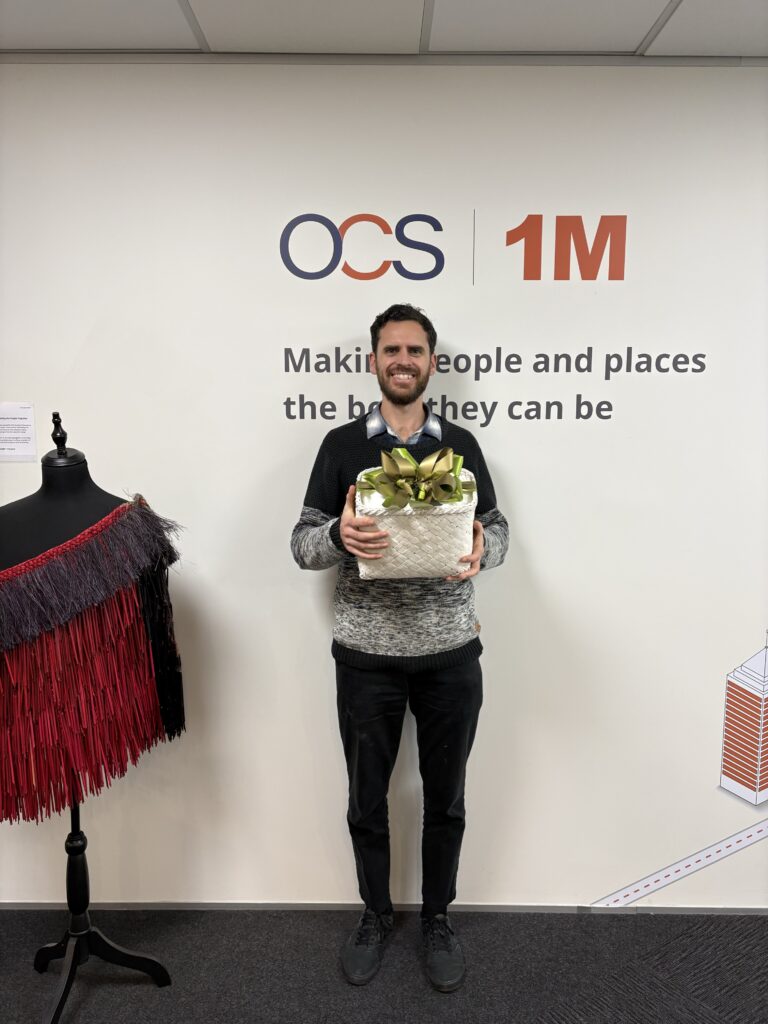
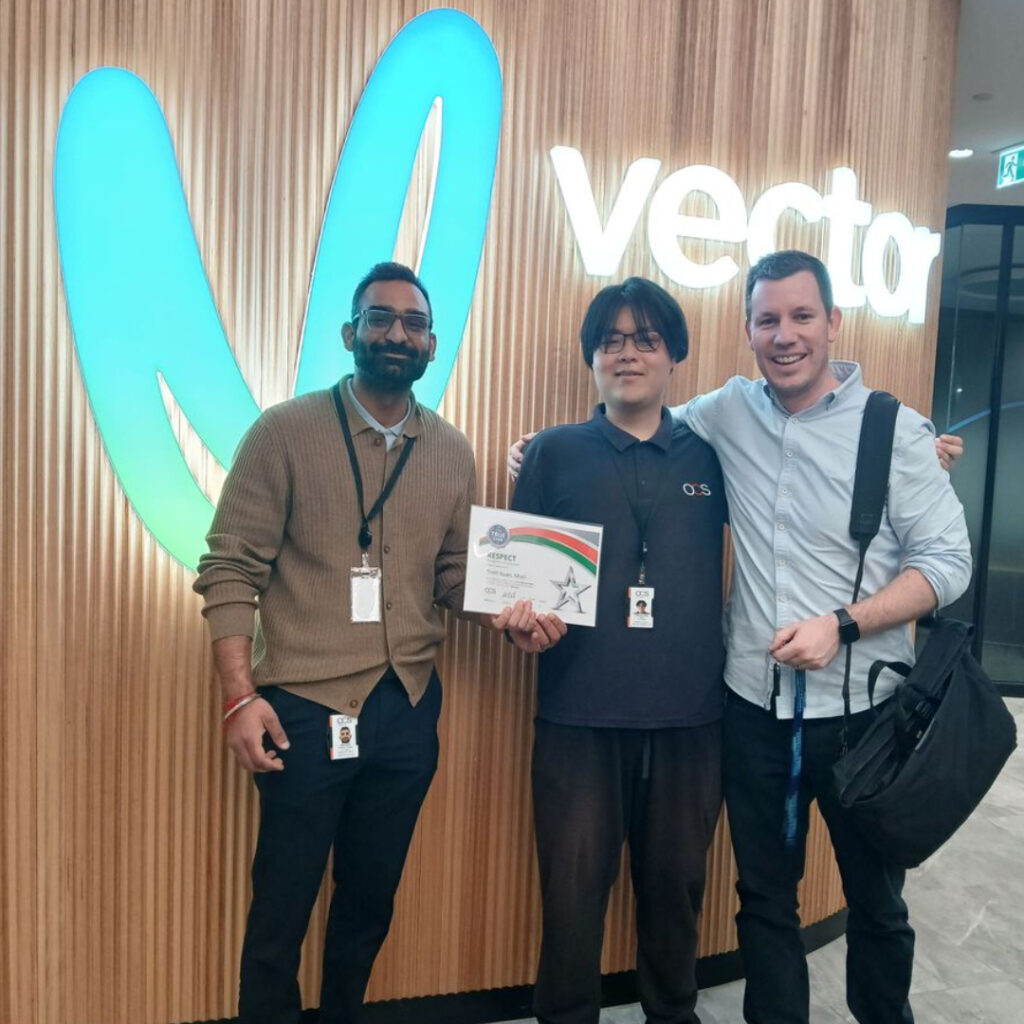
Senior leaders at OCS take part in a Colleague Engagement Visit (CEV) programme each year. The idea is simple: get on site, talk to our colleagues doing the work, and see firsthand how the service is running.
New Zealand General Manager Central, Neil Anslow, has completed 20 CEVs this year – more than three times the expected minimum. For him, the value is immediate.
“You learn a lot by being there,” Neil says. “You notice things you’d never see from behind a desk – how people are getting on, what needs attention, and where improvements can be made. It helps you make better decisions about the work.”
Seeing the work for what it really is
A CEV gives leaders a clear picture of how a site is operating day to day, not what’s written in reports, but what colleagues experience on a shift. The visit covers how the work is being managed, how people are being supported, and whether the environment is set up to deliver the service safely and reliably.
Each visit looks at several areas. Leaders check whether key records and processes are in place, whether colleagues have the training and tools they need, and how well safe working practices are being followed. They spend time understanding how the work is being delivered – from staffing and briefings through to equipment condition and how information flows between teams.
Leaders also look at how the service is performing from a customer and colleague point of view. That includes how the contract is running, how supported teams feel, and whether anything is affecting their experience of working with OCS.
Every CEV ends with a simple reflection: what’s working well, what needs attention, and what should happen next.
These conversations and observations give leaders insight they can’t get anywhere else – the small, practical things that help colleagues do their jobs well and keep the service steady for customers.
Neil’s approach: turn up, look properly, listen
Neil enjoys getting out amongst his teams, visiting both day and early evening teams. His approach is straightforward: turn up regularly, speak with the people doing the work, and take the time to understand how the site is running.
“You can write all the guidance you want, but culture comes from what people see you do,” Neil says. “If you’re out there with them, it makes a difference.”
His visits help him gauge how well colleagues are being supported, how information flows between teams, and whether anything could disrupt the service. These practical checks give him a clearer sense of what’s working and what needs attention.
For many teams, seeing a senior leader also makes a difference. It shows their work is taken seriously and that leadership decisions reflect the conditions they deal with every day.
Why it matters to customers and procurement teams
For procurement specialists, the value of CEVs lies in early insight. OCS leaders can identify issues before they affect service quality, equipment readiness, or communication – heading off any issues before they happen.
This leads to:
- Stable service delivery – Colleagues feel supported, which reduces turnover.
- Clear lines of responsibility – Leaders understand what’s happening on the ground and can act quickly.
- Consistent outcomes – Small adjustments made early keep services steady across all regions.
CEVs give OCS a practical way to ensure reliability, something procurement teams rely on.
A consistent expectation across countries and regions
All senior leaders across OCS businesses are expected to complete at least six CEVs each year. The expectation is shared, but the way each leader uses their visits is what gives the programme its strength.
Neil builds CEVs into his regular travel, visiting sites as part of his week rather than treating the requirement as an add-on.
“When you’re on site often enough, you spot things early,” Neil says. “You get a clear sense of what colleagues are dealing with and what might slow them down. Sorting those things early keeps the service steady.”
His practical approach shows how consistent habits can help maintain clarity and reliability for colleagues and customers.
Looking ahead
As OCS grows, CEVs will remain one of the most practical ways leaders stay close to colleagues and customers. They support a culture where issues are addressed early and where people feel backed by their leadership.
For Neil, the plan is simple: keep showing up, keep listening, and keep supporting the teams delivering the service every day.