Facilities management plays a critical role in supporting the UK defence estate, from maintaining infrastructure to enabling operational readiness. As defence spending increases, with a commitment to reach 2.5% of GDP by 2027, investment is accelerating across bases, assets and security environments. This growth is not only about military capability, it depends on infrastructure that can operate reliably, securely and at pace. Facilities management sits at the centre of delivering that performance across modern defence environments.
Growth in defence is unlike growth in other sectors. It occurs under clearances, scrutiny, and obligations that do not bend. Value for money still applies. So does continuity. Adding capacity cannot mean adding risk.
Having worked in defence environments for many years, OCS has observed a consistent pattern in what makes these partnerships successful: technical depth, compliance by default, and the confidence to operate securely within tight constraints.
Scaling at Pace Without Compromise
Defence estates need to expand their capabilities while maintaining the discipline of a regulated environment. That combination favours FM partners who understand defence standards, operate within strategic security frameworks, and can bring cleared, trained colleagues to a site without friction.
The practical outcome matters more than the promise. Contracts deliver when the partner can mobilise in compliance, integrate with the command structure, and remain steady amid changes in operational rhythm. Trust is earned in the first hundred days, not stated in the bid.

Easing Pressure on the Skilled Workforce
Recruitment and retention are a live constraint across defence. Cleared engineers, technicians and specialist trades are scarce. Long vetting lead times compound the pressure.
Self-delivered FM teams can ease the constraint. Cleared, experienced colleagues reach sites where they are needed, freeing service personnel and MOD civilians to focus on core defence outputs. The real value lies in reliability: a properly resourced FM team ensures command attention is not diverted to maintenance, catering or cleaning demands when the operational picture intensifies.
OCS holds the Armed Forces Covenant Silver Award and partners with the Forces Employment Charity to support former service personnel in their transition to civilian careers. The long-standing partnership with Scotty’s Little Soldiers supports children who have lost a parent in the Armed Forces. That commitment matters in defence environments. Colleagues who understand the culture of a military estate integrate more quickly and build trust more rapidly with the people who use the buildings.
Modernising Ageing Estates
Much of the UK defence estate is older than the threats it now faces. Some structures predate modern energy, ventilation and data standards by several decades. Refurbishing them while operations continue is among the sector’s most demanding challenges.
FM can shift that challenge from reactive repair to managed performance. Proactive asset management extends asset life, data-led maintenance cuts downtime, and planned works align with operational windows rather than fighting them. Mechanical and electrical reliability is as much a security matter as an engineering one. The estates that perform best are those where FM, engineering and operational command work as one team.
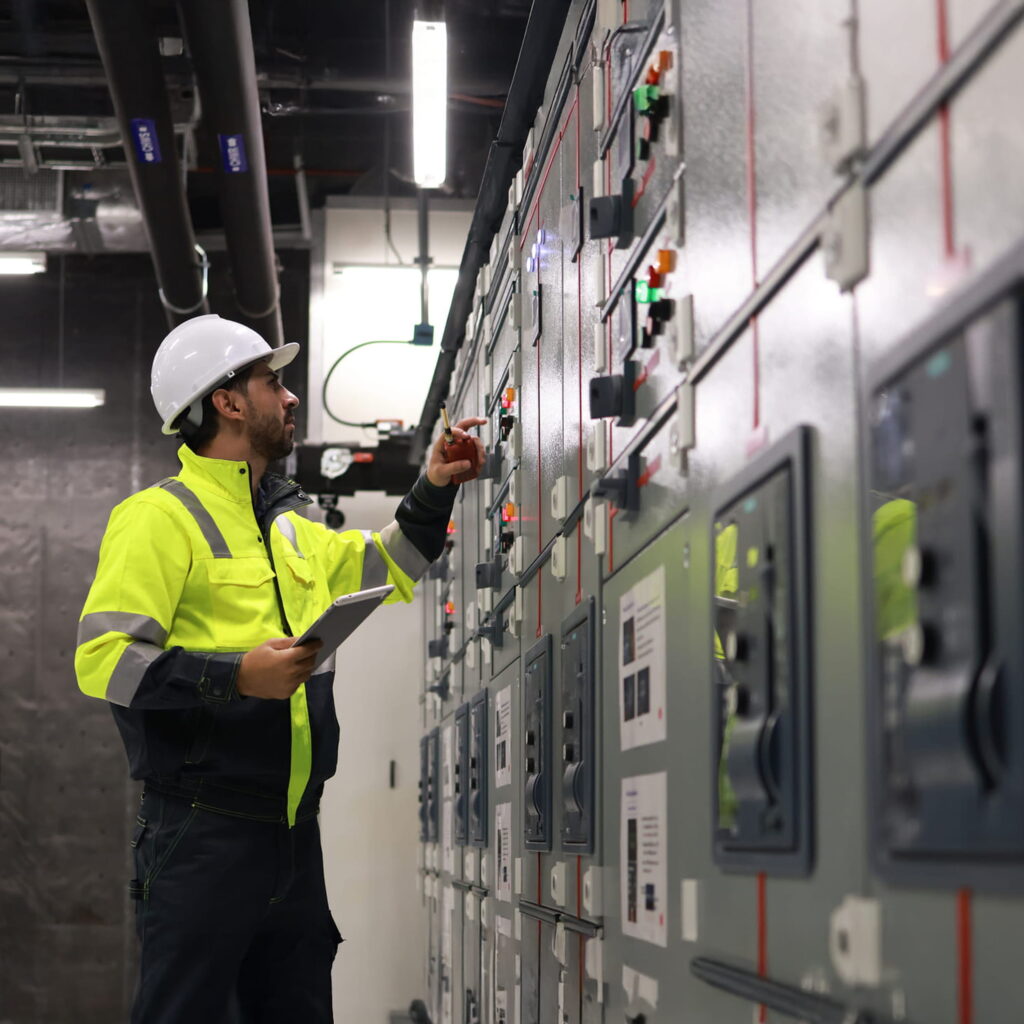
OCS delivers hard FM and technical services across high-voltage power networks, building management systems, and mission-critical M&E, using data-led insights and AI-enabled tools to predict maintenance needs and strengthen decision-making across complex operations.
Progressing Net Zero Without Trading Off Readiness
Defence has set binding climate commitments, and the sector cannot soften them in response to operational pressure. FM provides much of the execution capability required to meet them. Energy management, heat decarbonisation, fabric upgrades, waste reduction and sustainable workplace design are core FM responsibilities. Embedded within the operating model, these responsibilities deliver measurable carbon and cost outcomes without interrupting service.
OCS supports defence customers with practical, measurable solutions across energy efficiency, renewable technology integration and waste reduction. AI-enabled energy management tools help optimise resource use and drive continuous improvement in sustainability performance. Sustainability is most effective when it is planned alongside readiness and embedded within the estate’s operating rhythm.
Operating Securely in Complex Environments
Always-on is the minimum. Security restrictions often rule out cloud platforms, connected sensors and mobile tools that other sectors take for granted. Innovation in defence FM must operate within those boundaries.
Cleared supply chains. Air-gapped data. Manual methods where they are safer. Digital methods where permitted. A capable partner knows where the lines lie and operates on the secure side of them. Discipline, trust and judgement matter more than tool preference.
Specialist Capability, Earned in the Hardest Environments
Defence FM is rarely generic. Air bases, naval platforms and land estates each have distinct engineering realities. Specialist projects in these environments demand depth of capability.
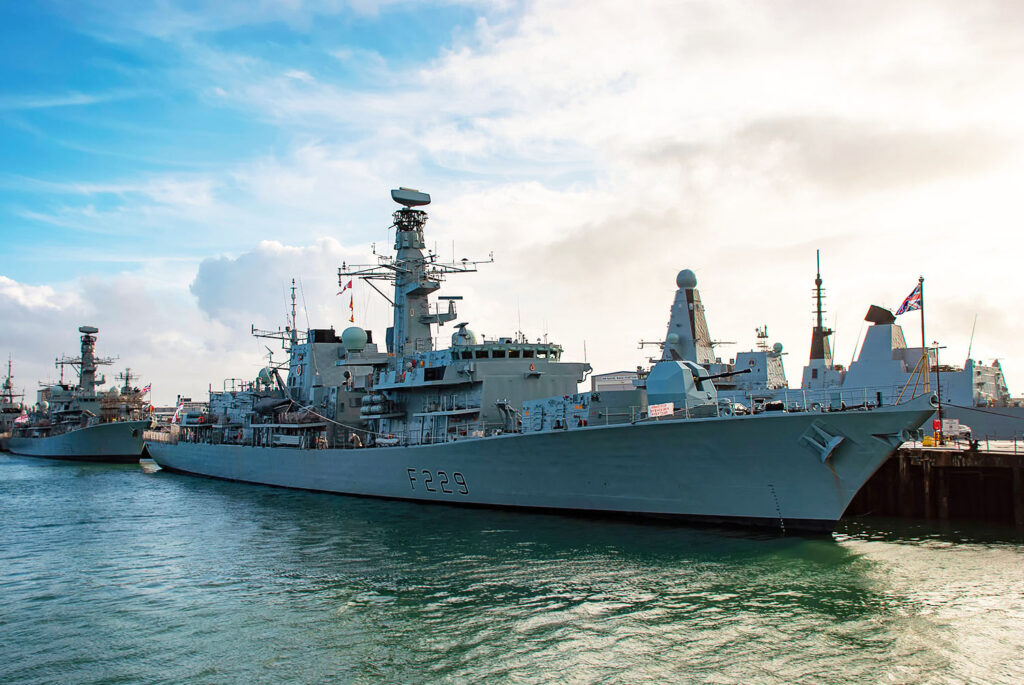
Working with BAE Systems, OCS delivered the specialist design, installation and integration of communications infrastructure for the Royal Navy’s Type 45 Destroyers, providing robust, future-ready systems capable of supporting complex naval operations. That work sits at the intersection of engineering and national security, and it is the kind of capability that defence transformation will continue to draw on.
A Sector in Transformation, Supported at the Operational Layer
Defence transformation will be judged by the capability delivered, not by the investment announced. Much of that delivery falls to facilities management. Modernising estates, reducing carbon, easing workforce pressure and sustaining readiness are everyday FM outcomes when the partnership model is right.
OCS supports defence customers through a self-delivered, people-first, technology-enabled approach, built on 125 years of operational experience. The mission is straightforward: to make people and places the best they can be, which includes the people and places that keep the country safe.