OCS is one of the oldest facilities management businesses in the world. Over more than 125 years, the sector has changed almost beyond recognition: from hand-swept floors and coal-fired boilers to sensor-enabled buildings, data-led decisions, and services designed around the people who use them.
What has not changed is where most of the useful ideas come from. Across the decades, innovation in FM has rarely begun in a head office. It has begun with the colleague delivering the service, noticing what is not working, and passing on a better way.
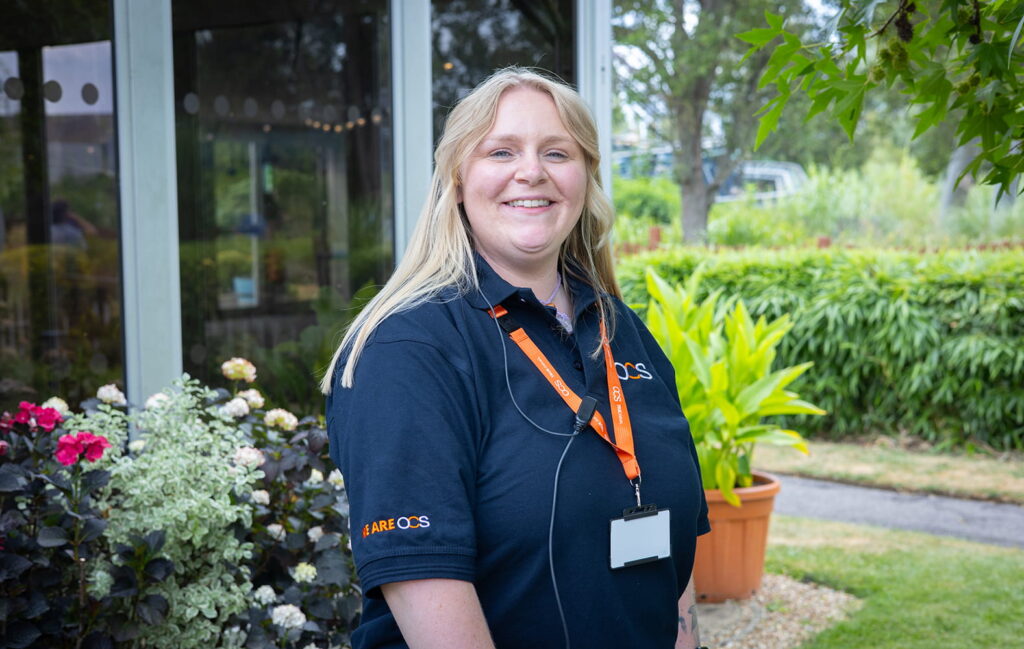
What has changed is the mechanics of listening. OCS has grown from a single colleague to more than 135,000 across multiple continents, and ideas that once moved freely across a small team now travel across geographies, sectors and time zones. Giving every colleague a voice has always been part of the OCS culture and its TRUE values. The larger and more distributed a business becomes, the more deliberate the channels for that listening have to be.
Innovation Station, launching this week across the UK and Ireland, is built for that reality. It is an innovation in how OCS listens, making it easier, faster and more visible to surface the ideas that will shape the next chapter of the service.
What We Have Delivered
The history of FM is one of steady, compounding improvement, with clear examples we can draw on over the past 125 years.
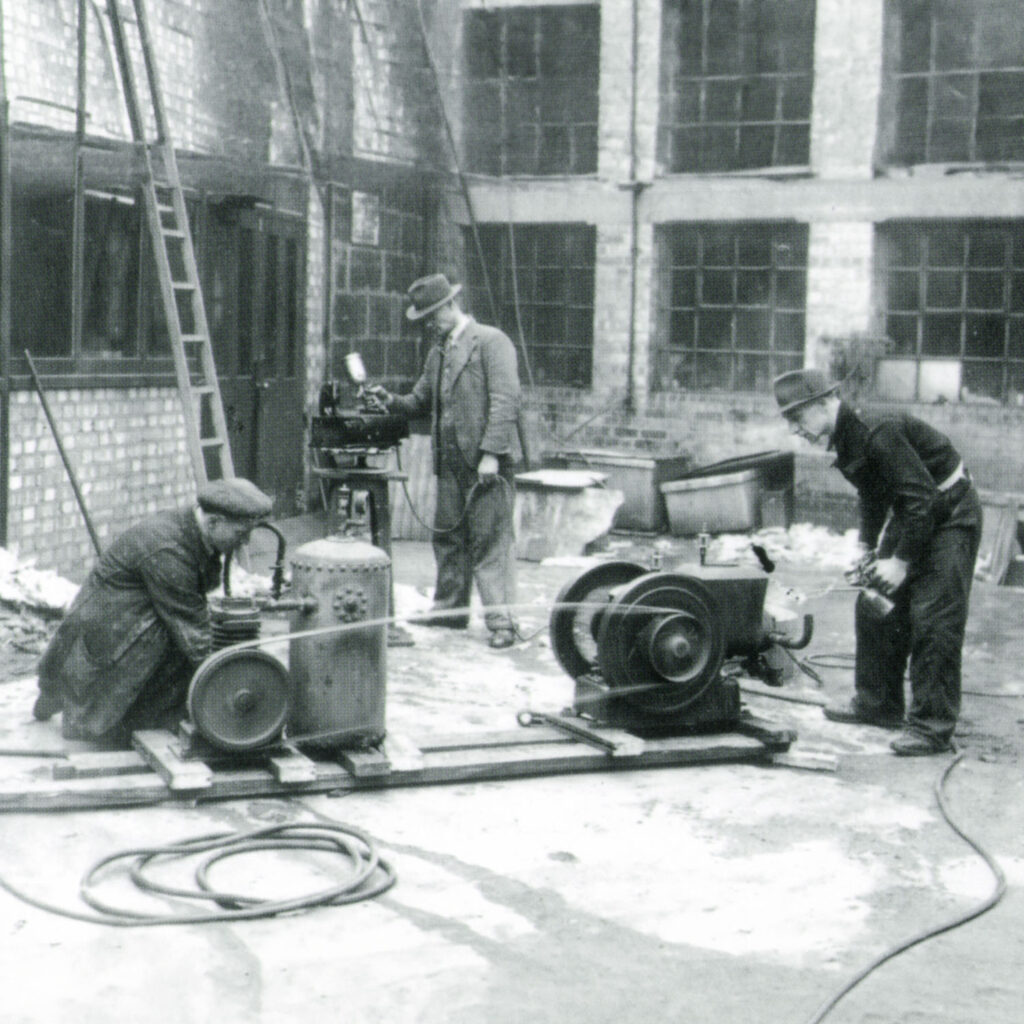
The sector professionalised the basics in the early twentieth century. Mechanised vacuuming, patented in 1901, turned an exhausting manual task into something faster and more hygienic. Standardised approaches to pest control, window cleaning and building maintenance took shape alongside early public health reforms.
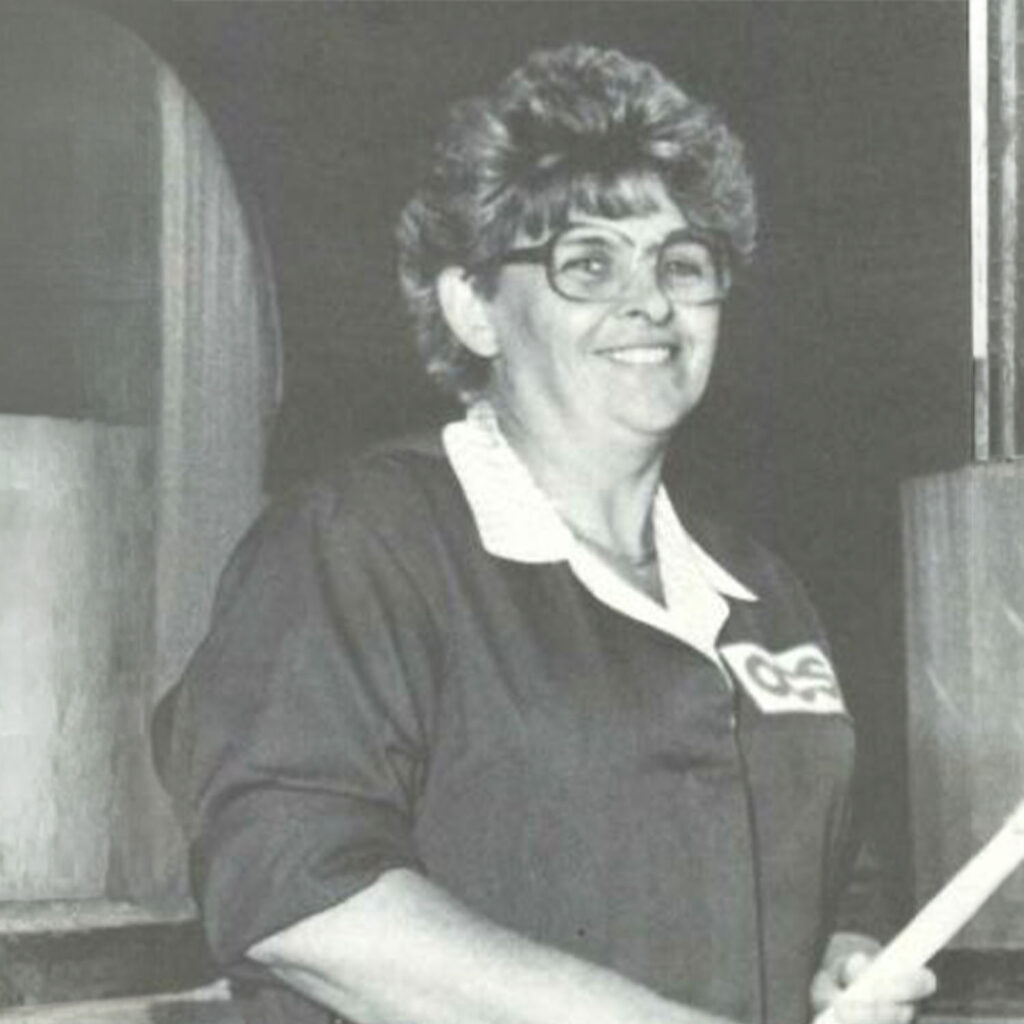
Post-war, integrated services emerged. Cleaning, catering, security and maintenance, previously managed in isolation, began to be delivered together. Health and safety legislation in the 1970s reshaped how colleagues worked. From the 1980s onwards, computer-aided FM systems gave the sector its first operational dashboards.
Cleaning outcomes took another step forward around the turn of the century with the arrival of microfibre technology. Independent studies have shown that microfibre cloths remove around 98 per cent of bacteria from a surface, compared with roughly 30 per cent for traditional cotton, and with significantly lower chemical and water use. It raised the standard of hygiene in hospitals, airports and retail sites at the same time.
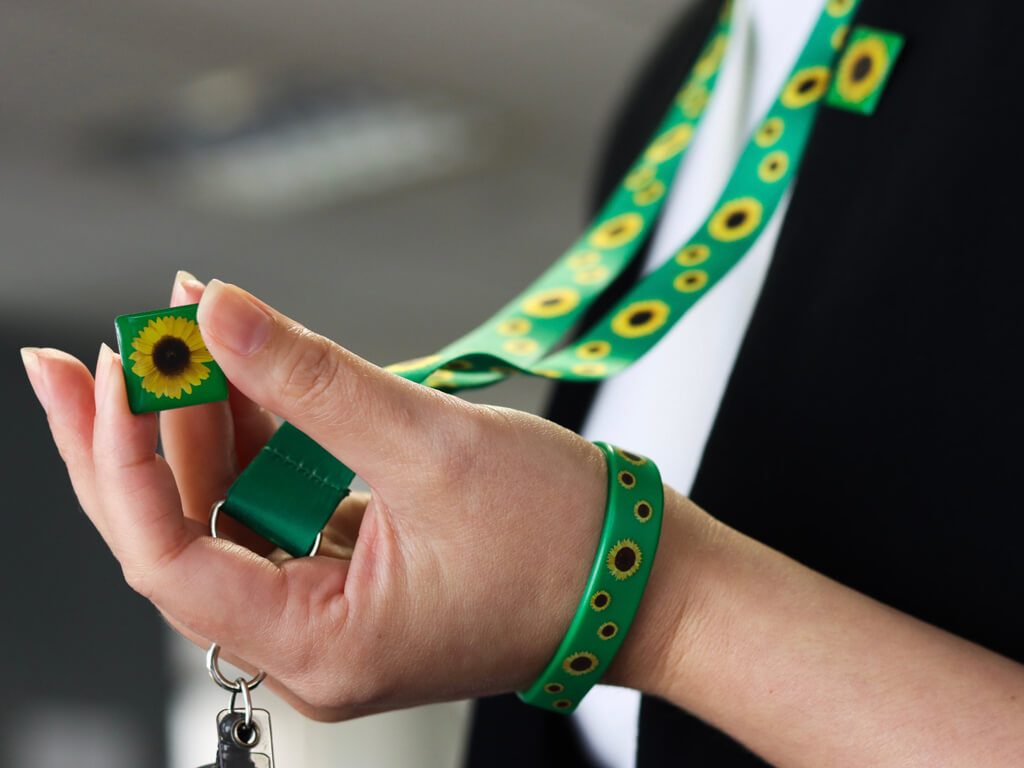
The 2010s saw a sharper focus on human-centred design across FM. The Sunflower Lanyard Scheme, launched at Gatwick Airport in 2016 in partnership with OCS, gave passengers with hidden disabilities a simple, discreet way to signal they may need more time or support. OCS has delivered PRM services at Gatwick since 2010, and colleagues have been trained to recognise the lanyard and respond. The scheme is now used at airports, stations, hospitals and venues around the world, supported by charity partners including the Alzheimer’s Society, the National Autistic Society and Action on Hearing Loss.
The pandemic accelerated another wave: touchless technology, antimicrobial surfaces, and a broader public understanding of what FM colleagues do to keep buildings safe.
Today, artificial intelligence, IoT sensors and autonomous equipment are reshaping how buildings are operated. Predictive maintenance is reducing unplanned downtime by around 50 per cent and maintenance costs by around 25 per cent when fully embedded. Autonomous cleaning machines work alongside and support colleagues in retail environments, transport hubs and logistics sites.
What We Have Learned
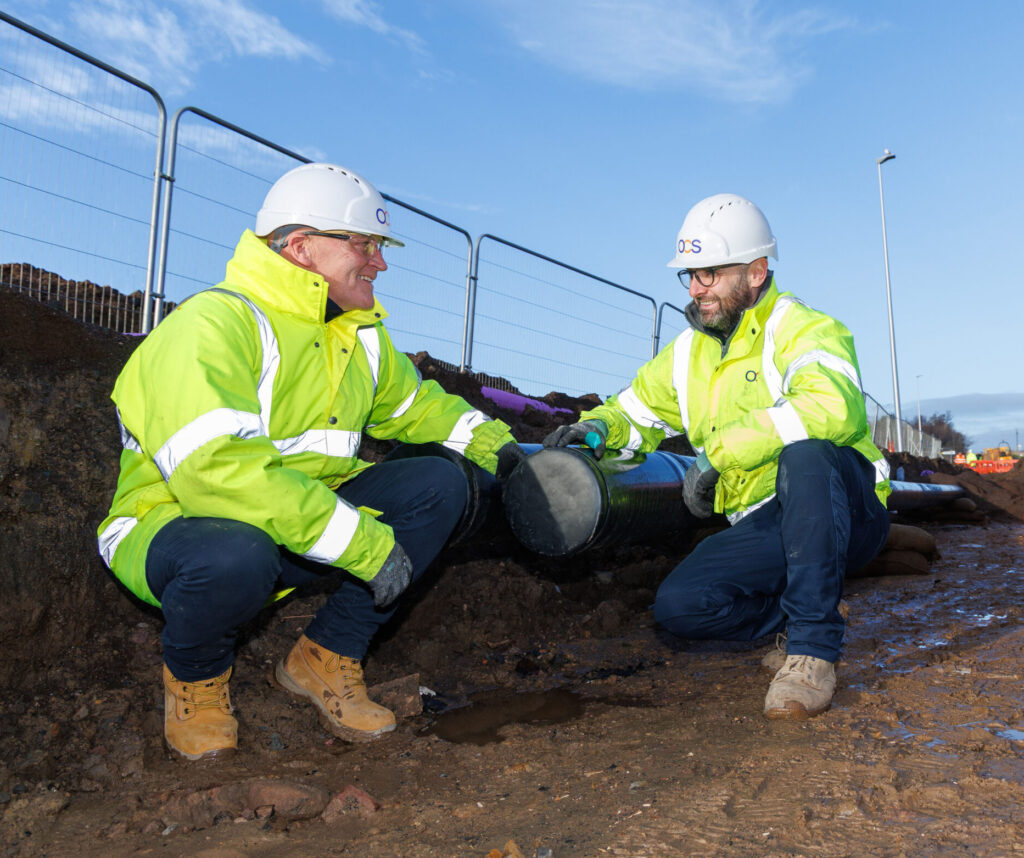
The pattern over 125 years is consistent. The clearest view comes from the colleague on a ward, on a platform, in a kitchen, on a retail floor, or on an overnight shift. They see the friction. They see the waste. They see the small change that would save twenty minutes, remove a risk, or make a customer’s day easier.
The role of the business is to hear those ideas, test those that will hold, scale those that work, and be honest about those that will not.
Businesses that listen consistently run more safely, operate more efficiently, retain their people longer, and earn the trust of customers who notice the difference. Over time, that difference compounds. The 125-year history of OCS rests on that logic.
What Matters Next
Innovation Station is the next chapter in that pattern. It is designed so that a colleague anywhere in the business can share ideas about how OCS operates, how colleagues treat each other, how customers are served, and how OCS contributes to the communities it works in. Some will remove friction. Others will shape how the business grows, help attract the next generation of talent, or strengthen the places OCS serves.
The mechanics matter. Ideas need somewhere to go, someone ready to act on them, and a clear answer either way. That is what Innovation Station provides: a single route, a visible process, and a commitment to respond. It sits alongside the customer insight, partner innovation and technology work already underway, giving colleague insight a visible, structured place in the innovation conversation.
The test comes later. In five, ten, or fifteen years’ time, a colleague should be able to look back with pride, point to an idea that began with them, and see how it has changed an industry. That is the measure that matters. That is how our colleagues make people and places the best they can be.