Energy Services | Net Zero Week

Net Zero and Beyond: Why Delivery Is Now the Real Challenge

Graeme Hamilton - Managing Director – Energy, OCS UK & Ireland

Graeme Hamilton - Managing Director – Energy, OCS UK & Ireland

08 Jul, 2026

Net Zero and Beyond: Why Delivery Is Now the Real Challenge

Most UK organisations have a net zero target. Many have a roadmap. The question now is whether they can actually deliver it. 

The Climate Change Committee’s 2025 Progress Report shows the UK is more than halfway to net zero by 2050. Yet only around 38% of the emissions reductions needed by 2030 are covered by credible, risk-managed plans. The Modern Energy Partners programme puts it plainly: current activity “is not at the scale necessary, nor at a sufficiently rapid pace.” The strategy is largely settled. Delivery is the constraint. 

Why Occupied Estates Are Harder Than They Look

Turning a decarbonisation roadmap into a functioning programme across a live estate is a fundamentally different challenge from writing one. Buildings are occupied. Systems are interdependent. Ageing infrastructure means incomplete records and unwelcome surprises. Heritage constraints limit what can physically be done. Every intervention must be sequenced around the operational rhythms of the people inside. 

A hospital cannot go offline for an HVAC upgrade. A court estate where 87% of buildings are listed cannot be retrofitted the same way as a modern commercial office. A manufacturing plant prioritises uptime above almost everything else. These are real constraints. They explain why so many programmes stall between intention and action. 

There is also the funding complexity. Decarbonisation programmes require sustained capital over years, often a decade or more, and cannot be funded through a single budget cycle. Blending internal capital, grants, and partnership arrangements demands programme machinery that most organisations are still building. 
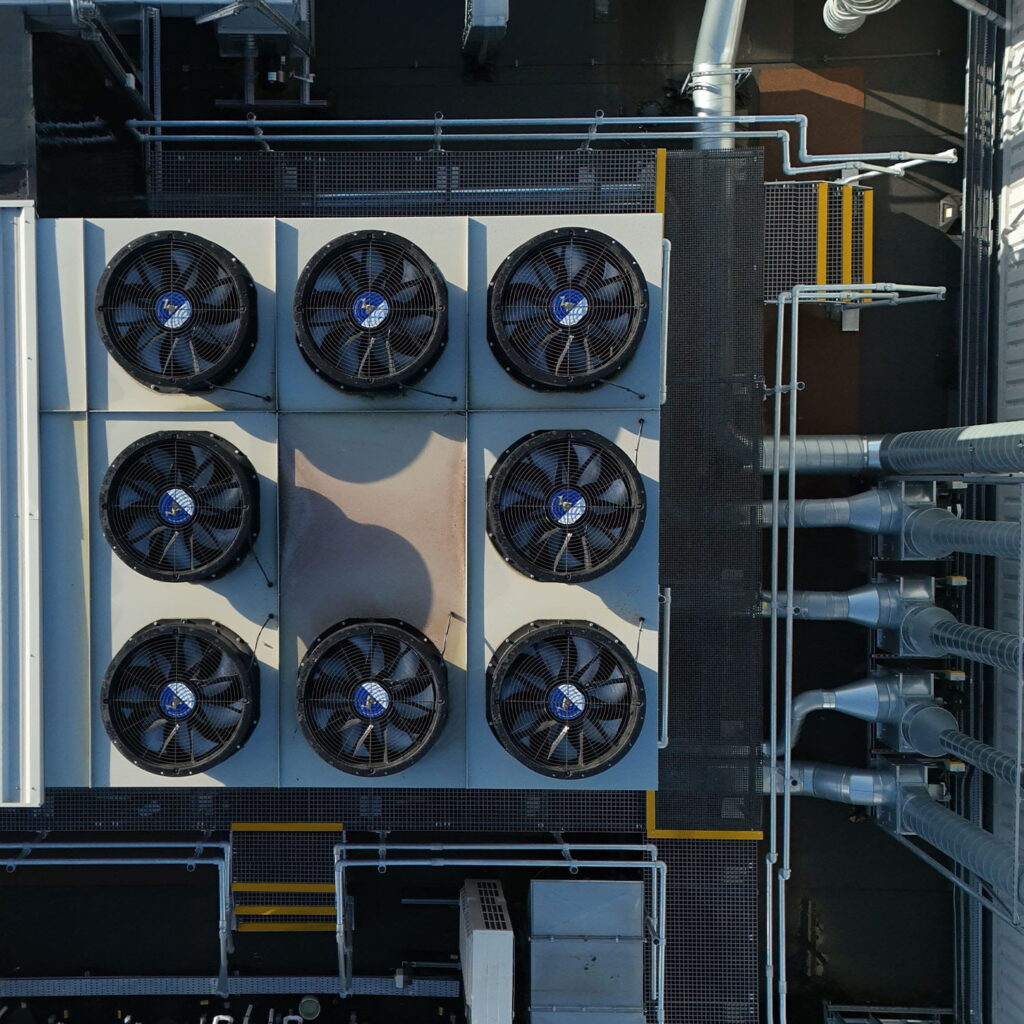
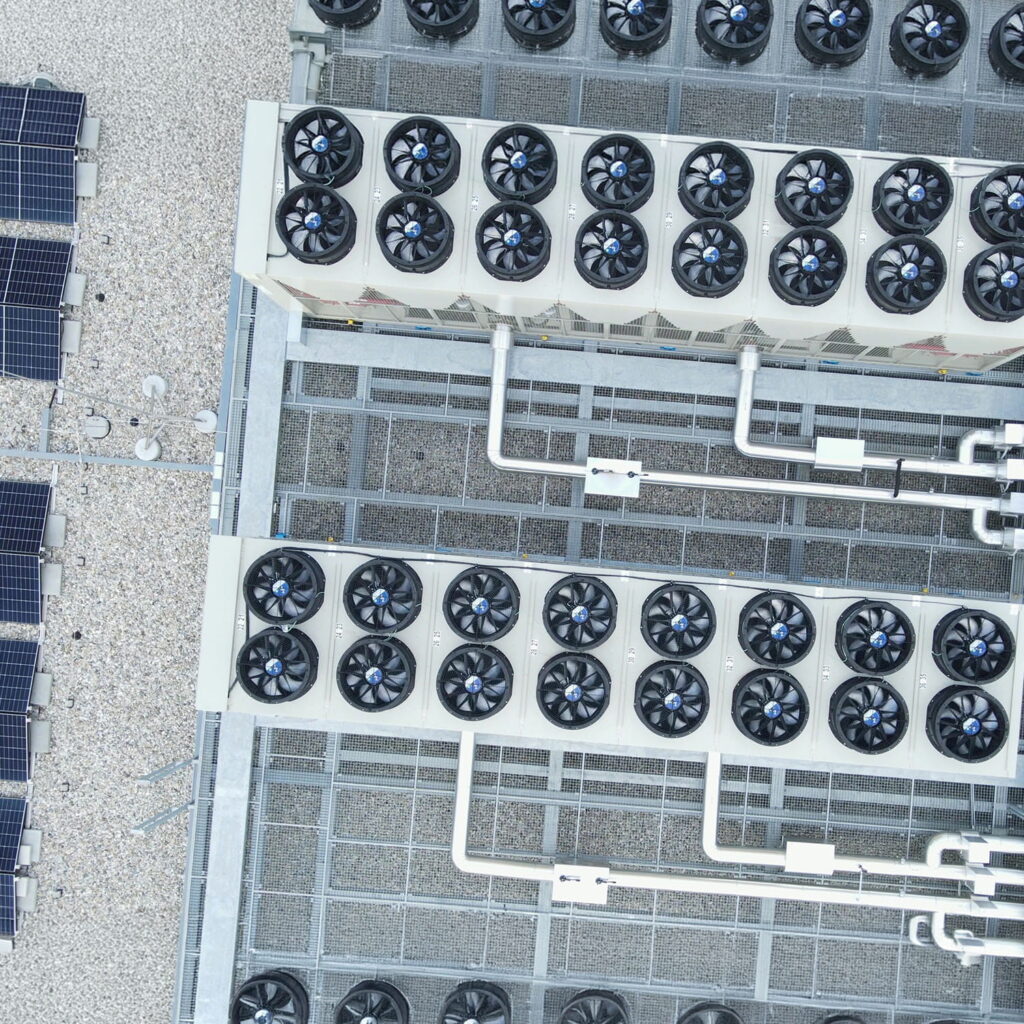
Aerial view of eight large industrial ventilation fans arranged in two rows on a rooftop, surrounded by pipes, metal gratings, and walkways.
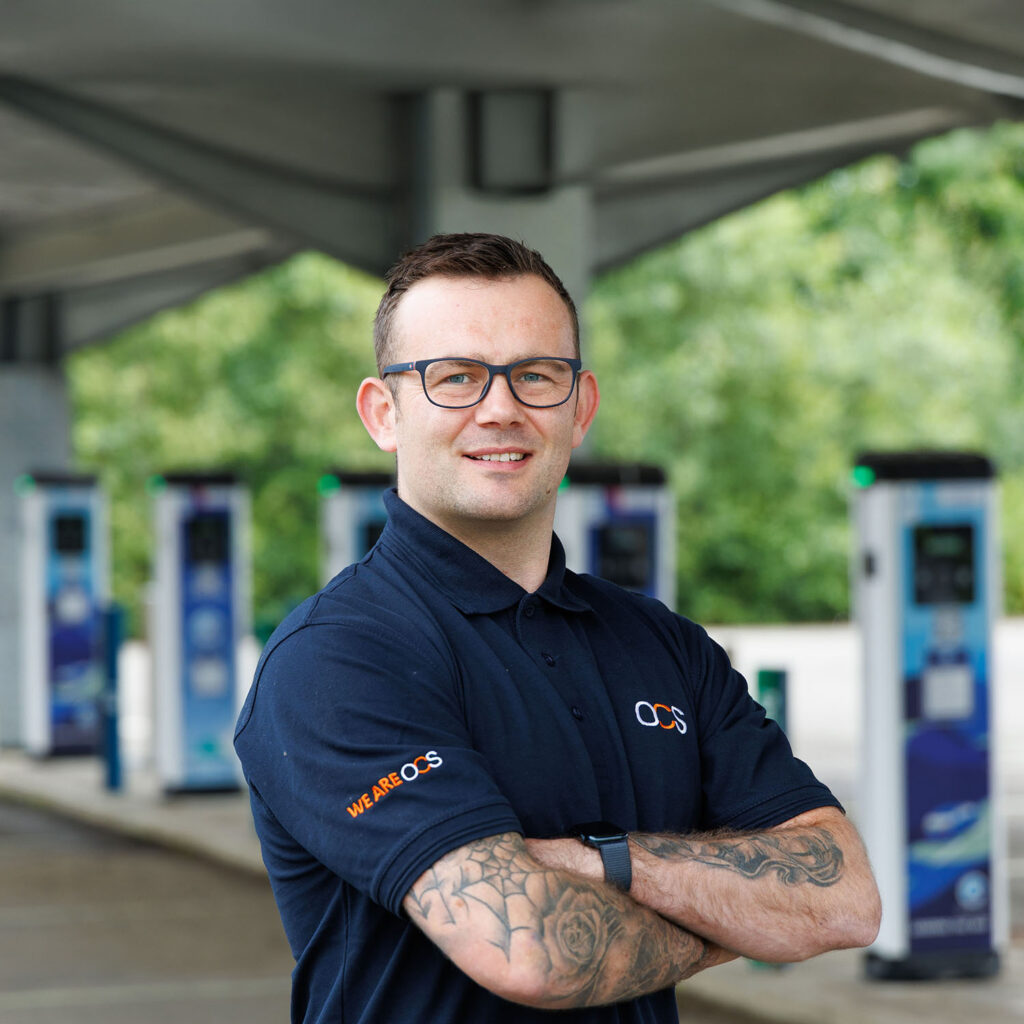
A man with glasses and tattoos, wearing a navy WE ARE OCS polo shirt, stands with arms folded at an outdoor electric vehicle charging station. Blurred green trees and multiple chargers are visible in the background.

Where Programmes Typically Go Wrong

Independent reviews consistently point to the same reasons programmes fail. Weak governance and unclear ownership leave programmes without the senior sponsorship needed to survive competing priorities. Fragmented delivery across multiple suppliers creates gaps at the handover points: between design and construction, between commissioning and operation, between the project team and the FM provider who takes responsibility for the building afterwards.

Commissioning is where good intentions most often unravel. Systems left in default modes, Building Management Systems poorly calibrated, set points adjusted conservatively to avoid complaints: each of these erodes the savings that were modelled at the design stage. Poor metering means organisations cannot see the gap opening up. 

Then there is the optimisation problem. Buildings frequently perform well in the months immediately after installation. Gradually, as controls are adjusted, maintenance is deferred, and equipment degrades, performance drifts. Projected savings erode. Carbon reduction trajectories slip. Treating installation as the end of the process is one of the primary reasons energy programmes underdeliver over time. 

The performance gap between what a building was designed to achieve and what it actually delivers is rarely a technology failure. It is almost always a management one.

What Organisations Making Progress Do Differently

The organisations pulling ahead treat decarbonisation as an estate-wide programme, not a series of discrete projects. They establish formal governance with clear senior ownership, integrated into existing asset management and financial planning. They prioritise and sequence interventions at portfolio level, targeting no-regrets measures first and planning deeper decarbonisation over time. 

They also integrate engineering and facilities management from the outset. FM teams manage the daily performance of buildings: HVAC, lighting, controls, maintenance cycles. They operate the building long after the project team has moved on. Bringing FM expertise into the design and delivery phases, rather than handing over at practical completion, closes the performance gap that fragmented models repeatedly open. 

Above all, they treat installation as the midpoint of the process. Commissioning, monitoring, tuning and recommissioning are where savings are sustained. Measurement and verification are how responsible ownership of a net zero programme is demonstrated, not a reporting exercise added at the end. 

A Framework for the Full Lifecycle

OCS Energy Services structures its work across five stages: Discover, Design, Deliver, Maintain and Optimise. The sequence matters because each stage addresses a specific point where programmes typically fail. 

Working across the Scottish Courts and Tribunals Service estate, where ten buildings account for over 80% of energy consumption and 87% of the estate is listed, OCS deployed an advanced building intelligence system integrating with the existing Building Energy Management System. Within 12 months, it generated 280 actionable insights: fan coil units running around the clock, boilers at higher-than-required temperatures, air handling units operating beyond schedule. The analysis identified over £200,000 in potential annual savings and around 170 tonnes of CO₂e reduction. That is the Discover stage working as it should. 

Design and Deliver translate that insight into sequenced programmes that work within operational constraints. Maintain embeds the disciplines that prevent performance drift: planned maintenance, controls optimisation and ongoing monitoring. Optimise is the continuous phase where marginal gains are found, and trajectories are kept on track. 

The point worth holding onto is that savings are identified during Discover. They are secured or lost during Maintain and Optimise. 

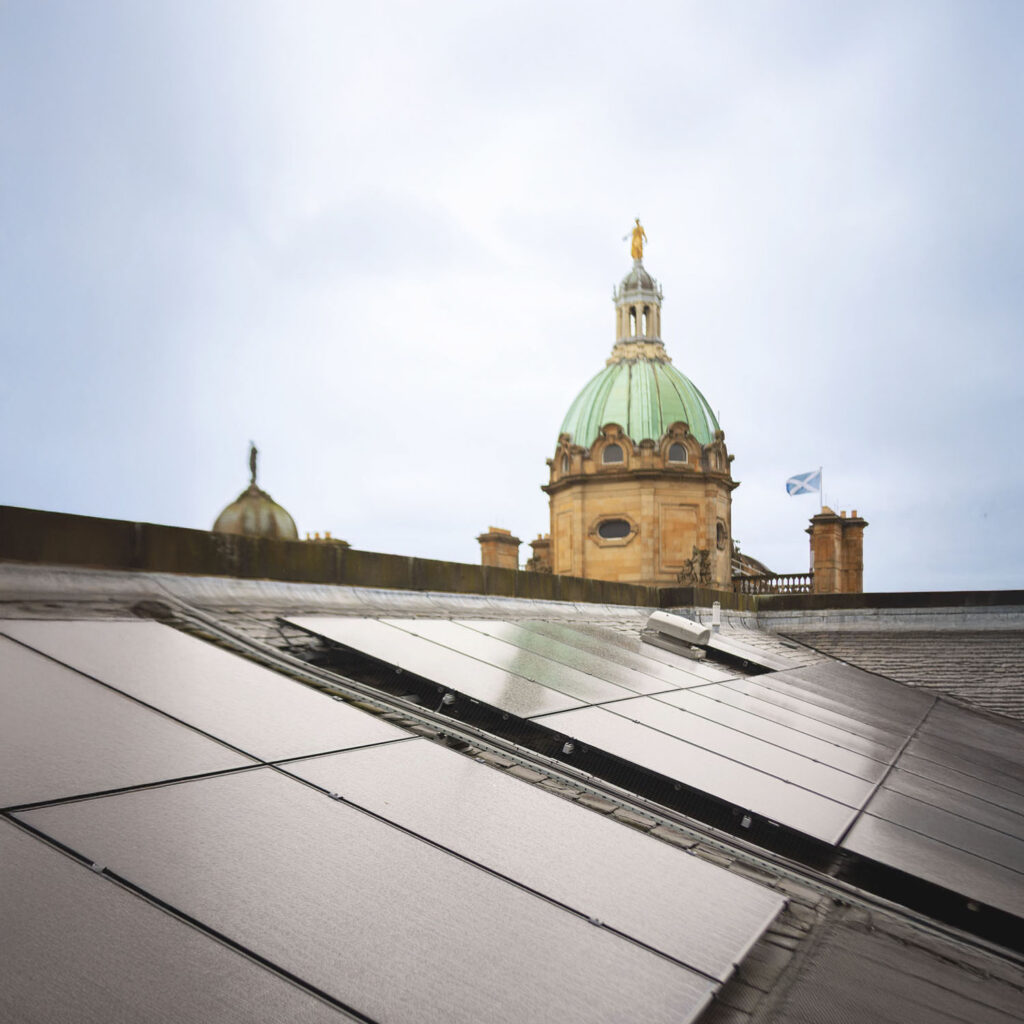
Solar panels on a rooftop in the foreground, with a historic building featuring a green dome and a statue under a cloudy sky in the background. A small flag is visible near the dome.
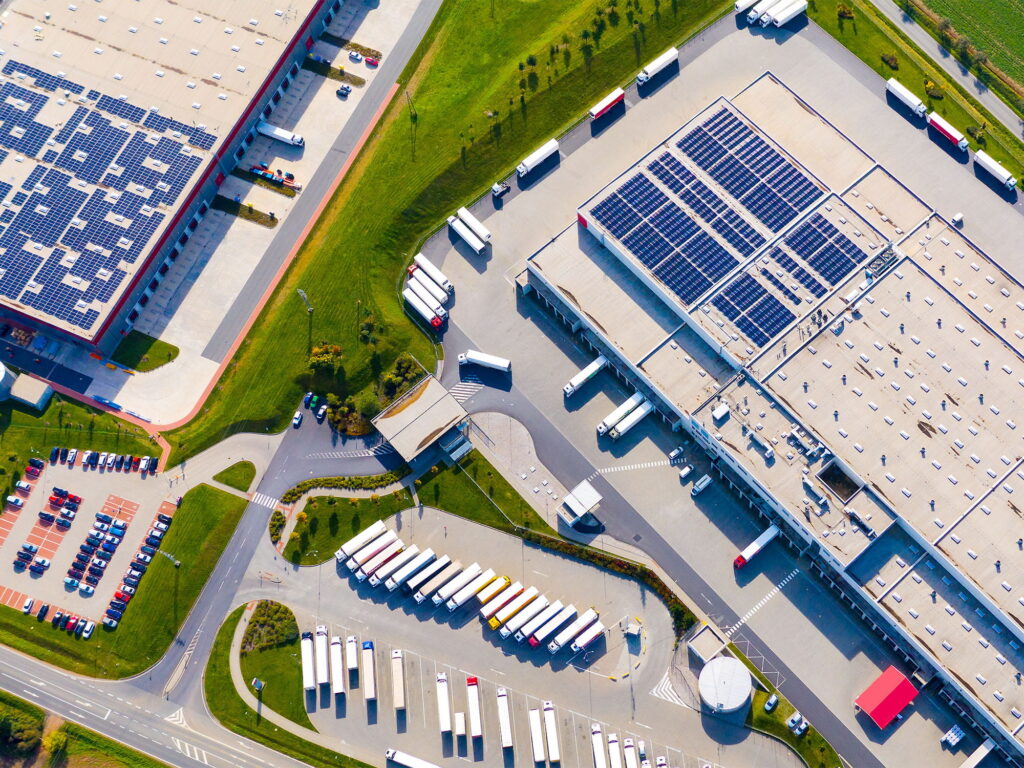
Aerial view of large rooftop cooling units with multiple circular fans and pipes, next to several solar panels, all situated on a gravel-covered building roof.

The Work That Comes After the Plan

Net-zero delivery is not a technology problem. The tools exist. The strategies exist. What most organisations are still building is the operational capability to make it work in practice, at scale, across buildings that cannot stop running while the work is done. 

The organisations that pull ahead will be those that treat energy performance the way they treat any other operational discipline: with governance, continuity, and the patience to optimise over time rather than declare victory at handover. 

Ambition got organisations to this point. Execution will determine what happens next.

This is Part Two of our Net Zero and Beyond series. For a shorter, higher-level view of why energy performance is won or lost in daily operations, read Part One: ‘Net Zero and Beyond: Why Energy Management Must Move From Strategy to Operations.

Delivering Energy Performance Across the Full Building Lifecycle

Delivering Energy Performance Across the Full Building Lifecycle

Explore Energy Services

Share this story