
For many people, access to jobs is a bigger barrier to employment than motivation or ability. Traditional recruitment processes often assume confidence, digital access, and familiarity with how hiring works. For those without these advantages, the door to employment can feel closed before they have the chance to knock.
OCS is taking a different approach to finding talent in some of the hardest-to-reach areas of the job market through ring-fenced recruitment strategies. By ring-fencing roles, OCS creates fair access to opportunities for people who are often excluded from conventional hiring routes. Led by colleagues and supported by employability partners and grass-roots charities across the UK, this approach focuses on potential over polish.
Why Ring-Fenced Recruitment Matters
Ring-fencing is about redressing the balance in recruitment. It gives participants access to roles they would not reach through traditional processes. Some candidates have never applied for a job before. Others do not have reliable access to a phone, email, or online application systems. Many have lost confidence after long periods out of work.
By ring-fencing roles, OCS can remove these structural barriers. Participants enter a recruitment process designed around accessibility and conversation, not one that filters them out before engagement begins. It is a practical response to unequal access to employment.
Skills Before CVs
At the heart of inclusive recruitment is a skills-based assessment interview. CVs are not the starting point. Instead, participants are assessed on capability, attitude, and motivation. There is no judgement on gaps in employment history, unfamiliarity with recruitment processes, or limited sector experience.
This approach is particularly important for young people aged 18 to 24 who are not in education, employment, or training. Many face exclusion not because of a lack of ambition or ability, but because entry routes are unclear and competition is high. Ring-fencing roles improves access and provides a fair, structured interview process that allows potential to be seen.
The Role of Partnership and Preparation
Strong partnerships with organisations supporting under-represented candidates are central to the success of this approach. These partners help individuals prepare by ensuring they have suitable clothing, support with travel costs, and a clear understanding of what roles involve.
This preparation builds confidence and reduces anxiety. Participants arrive informed, supported, and ready to engage, rather than feeling uncertain or under-prepared.
A Recent Visit to a Key Venue
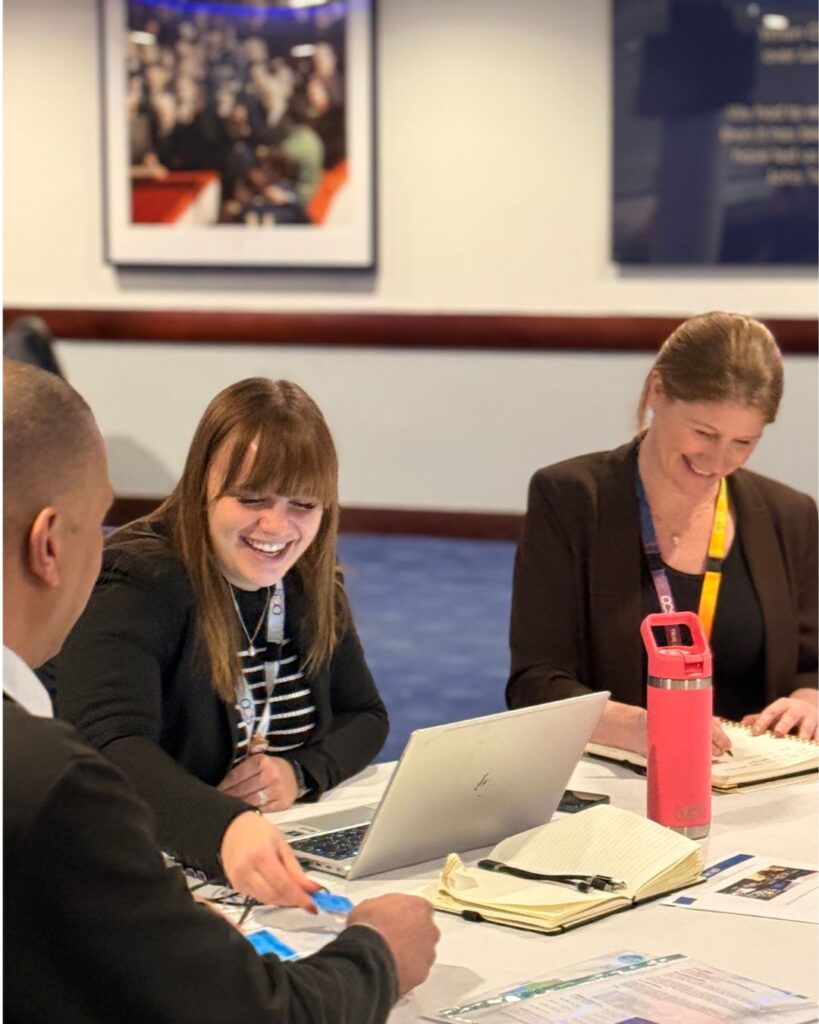
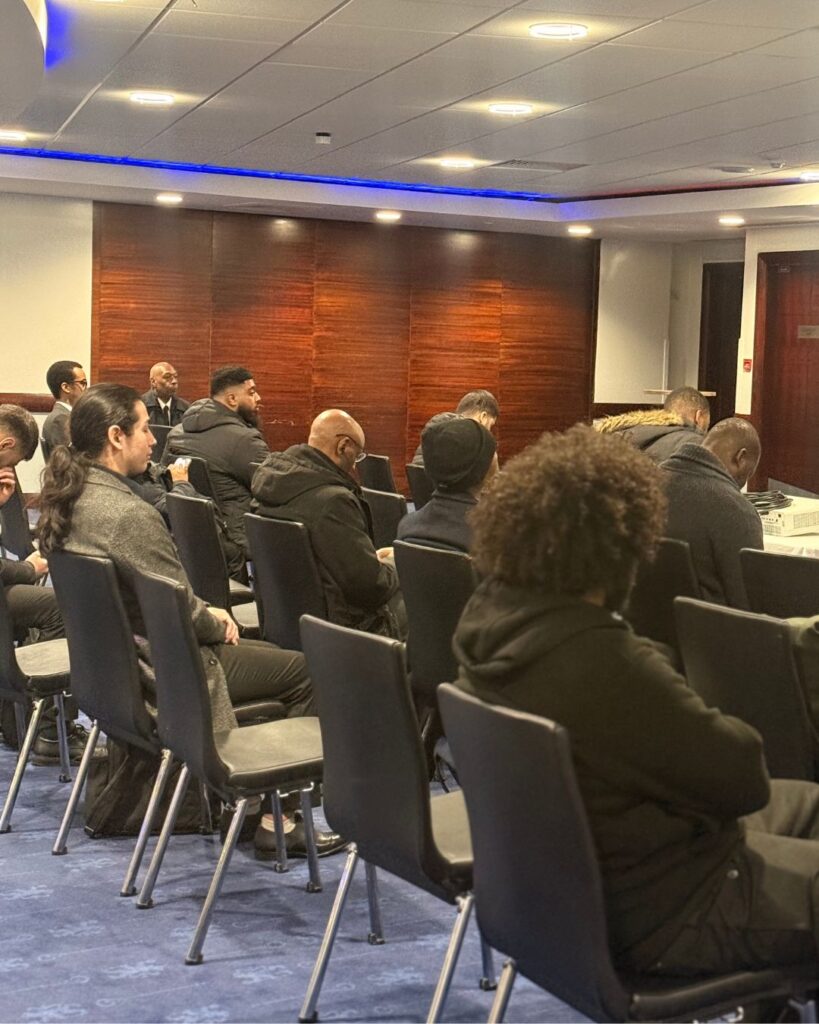
This approach was recently demonstrated during a visit to a key venue, where ring-fenced recruitment was used in a live operational setting. It showed how inclusive hiring can work effectively within real facilities management environments.
Open-Minded Hiring in High-Footfall Environments
Hiring managers across OCS have embraced inclusive recruitment methods. By supporting ring-fenced roles, they have shown confidence in alternative routes into employment and a willingness to recognise potential.
Many of these roles sit within high-footfall security environments. Awareness, communication, and calm decision-making are essential. Managers recognise that these qualities are developed through people’s experiences, not defined by background, and that potential often emerges when space is created for it.
Real Outcomes For Real People
The results demonstrate clear impact. From 100 inclusive applications, 80 participants were invited to interview. Seventy attended, and 55 received job offers. Some successful candidates included young people previously not in work or training, individuals returning to employment after raising families, and people who had been unemployed for extended periods.
“The day showed me that there’s other people wanting to change their career direction and it gave me the motivation to believe in myself and put myself forward for the role.”
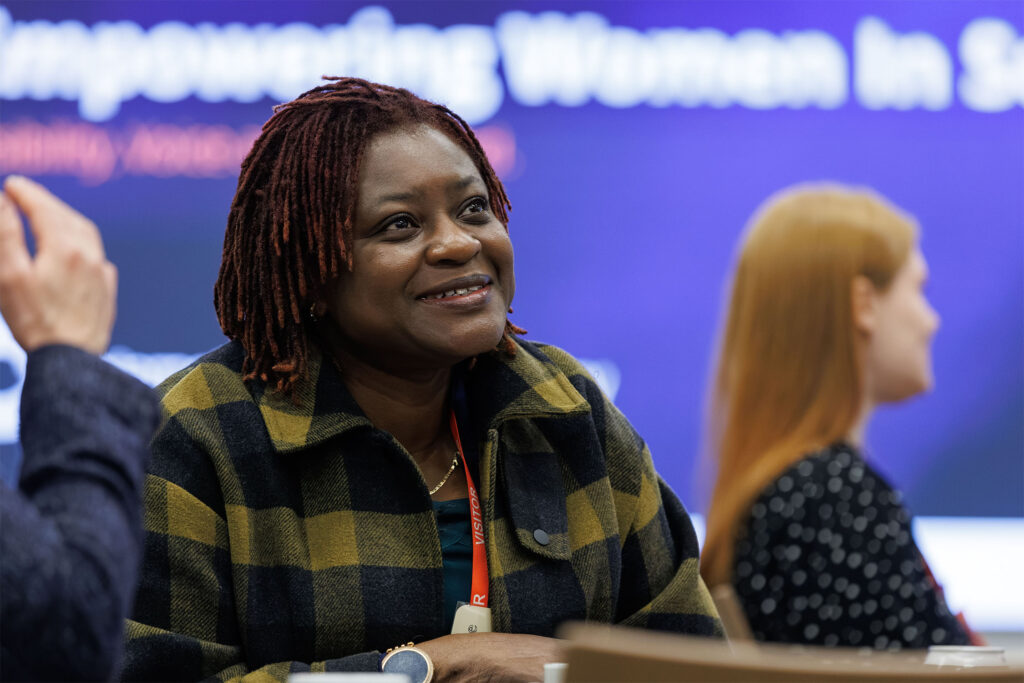
One of those participants was Gabrielle. Out of employment and still exploring her career path, she was committed to building a future in the security sector, despite entering a traditionally male-dominated field. Through the ring-fenced process, she was able to access opportunities at OCS and demonstrate her commitment.
Being a woman means I’m often outnumbered by men. I think it’s important to empower women to go into the security field, even if they never thought they would be able to.
Gabrielle
Leading Inclusive Recruitment in Private FM
Private facilities management has the scale and influence to lead positive change in employment. Ring-fenced recruitment shows what inclusive hiring looks like when it is designed with intention and clear outcomes. It widens access to facilities management jobs and helps organisations find capable people in new places.
For OCS, this approach strengthens operational delivery while creating meaningful opportunities. It builds confident, capable teams and supports communities, helping make people and places the best they can be.