Health & Safety

Strengthening Safety, Reliability and Operational Discipline in the UAE’s Facilities Management Sector

OCS Team

OCS Team

19 Feb, 2026

Strengthening Safety, Reliability and Operational Discipline in the UAE’s Facilities Management Sector

In the UAE, safety is not only a compliance requirement but a licence to operate. The country manages some of the world’s most complex and high‑performance-built environments, such as airports and aviation hubs, mega‑malls, hospitality destinations, iconic skyscrapers, logistics corridors, industrial clusters, free zones and giga‑projects. These environments run at pace, at scale and with exacting expectations for reliability.

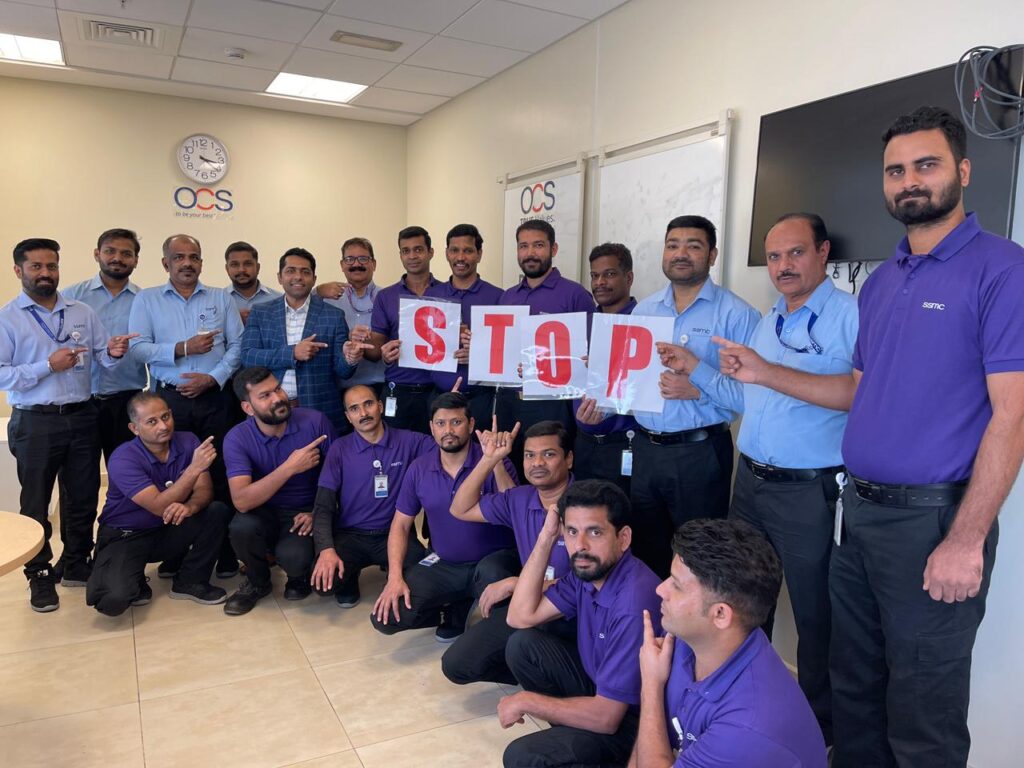
Against this backdrop, STOP – Stop. Think. Observe. Proceed. has strategic relevance far beyond frontline tasks. It represents a shift toward a safer, more predictable and more resilient operating culture across the UAE’s facilities management (FM) sector.

“In facilities management, most work takes place in familiar environments where tasks follow routine patterns. These conditions can create a false sense of security. The absence of obvious risk is often when risk is at its highest.
Across APAC and the Middle East, OCS colleagues work in environments ranging from commercial buildings to healthcare facilities and industrial sites. Each brings its own set of hazards. This is why safety must extend beyond compliance. It needs to be embedded in how we think, assess risk, and make decisions every day.

For colleagues, safety protects lives and livelihoods.
For customers, it protects continuity, trust, and confidence.
For leaders, it is a non‑negotiable business priority.”

avatar

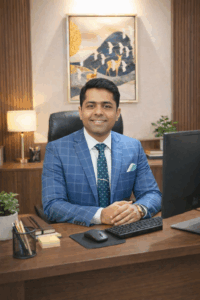
Javved Qureshi

QHSE Director, APAC & ME

Why STOP Matters

Many FM activities in the UAE take place in familiar spaces where tasks repeat daily, like cleaning high‑traffic areas, servicing equipment, managing passenger movement, responding to guest concerns or handling technical checks. Familiarity can reduce vigilance, even in high‑risk environments.

STOP creates a structured pause that helps colleagues re‑evaluate conditions before proceeding:

  • Has anything changed since the last round?
  • Is the area safe given current temperature, footfall or activity?
  • Do I need additional support or controls?

In a country where heat, humidity, footfall surges, large‑scale events and 24/7 operations can rapidly shift conditions, this micro‑pause becomes a crucial safeguard.

A Strategic Leadership Tool Disguised as a Safety Behaviour

Safety excellence is a hallmark of successful UAE organisations. STOP enhances this by embedding risk‑aware decision‑making into everyday work. For senior leaders, STOP signals:

  • that safety and reliability go hand‑in‑hand
  • that judgement is valued as highly as speed
  • that early intervention prevents disruption
  • that safety is a shared responsibility, not a top‑down instruction

The benefit is organisational: fewer incidents, reduced downtime, strengthened regulatory compliance, and improved customer experience across commercial, hospitality, aviation and industrial sectors.

“Safety begins with each of us. No task is so urgent or important that it cannot be completed safely. Take the moment to STOP. Think, observe, and proceed only when confident it is safe to do so.

Let’s make 2026 a year where safety is strengthened through everyday choices, and where zero harm is achieved through culture, leadership, and shared responsibility.”

Supporting Customer Trust and High‑Performance Delivery

The UAE’s customers, from government entities to international brands to premium real‑estate owners, expect FM teams to demonstrate discipline, traceability and strong governance. STOP builds this foundation by:

  • improving near‑miss visibility
  • encouraging early reporting before hazards escalate
  • enabling more accurate incident analysis and preventive action
  • embedding consistency across multicultural, multi‑location teams

In sectors such as aviation, hospitality and critical infrastructure, STOP becomes visible proof of operational maturity.

A Multinational Workforce Needs a Shared Language of Safety

The UAE’s FM workforce is diverse, with colleagues coming from many countries, languages and experience levels. STOP provides a universal, simple and memorable safety framework that everyone understands:

Stop → Think → Observe → Proceed

No matter the background or role, this shared language helps align behaviour and expectations across teams, ensuring that safety actions are consistent, not dependent on individual experience.

Enabling a Culture of Accountability and Care

STOP only becomes real when reinforced by leadership. Supervisors and managers play a key role in:

  • thanking colleagues who pause work
  • encouraging early escalation
  • reassessing risks together
  • documenting learning
  • embedding STOP in daily briefings and Toolbox Talks

Senior leadership strengthens credibility by ensuring training, resources and visible support are always available.

STOP as a Competitive Advantage

In the UAE’s fast‑growing FM market, operational reliability is a differentiator. STOP enhances:

  • uptime and service continuity
  • incident prevention and risk control
  • customer confidence and contract performance
  • overall safety culture and workforce wellbeing

STOP is not just a reminder. It is a strategic tool that strengthens judgement, protects people and reinforces the UAE’s reputation for safe, high‑quality environments.

OCS approach to Quality, Health, Safety and Environment (QHSE)

OCS approach to Quality, Health, Safety and Environment (QHSE)

Learn More

Share this story