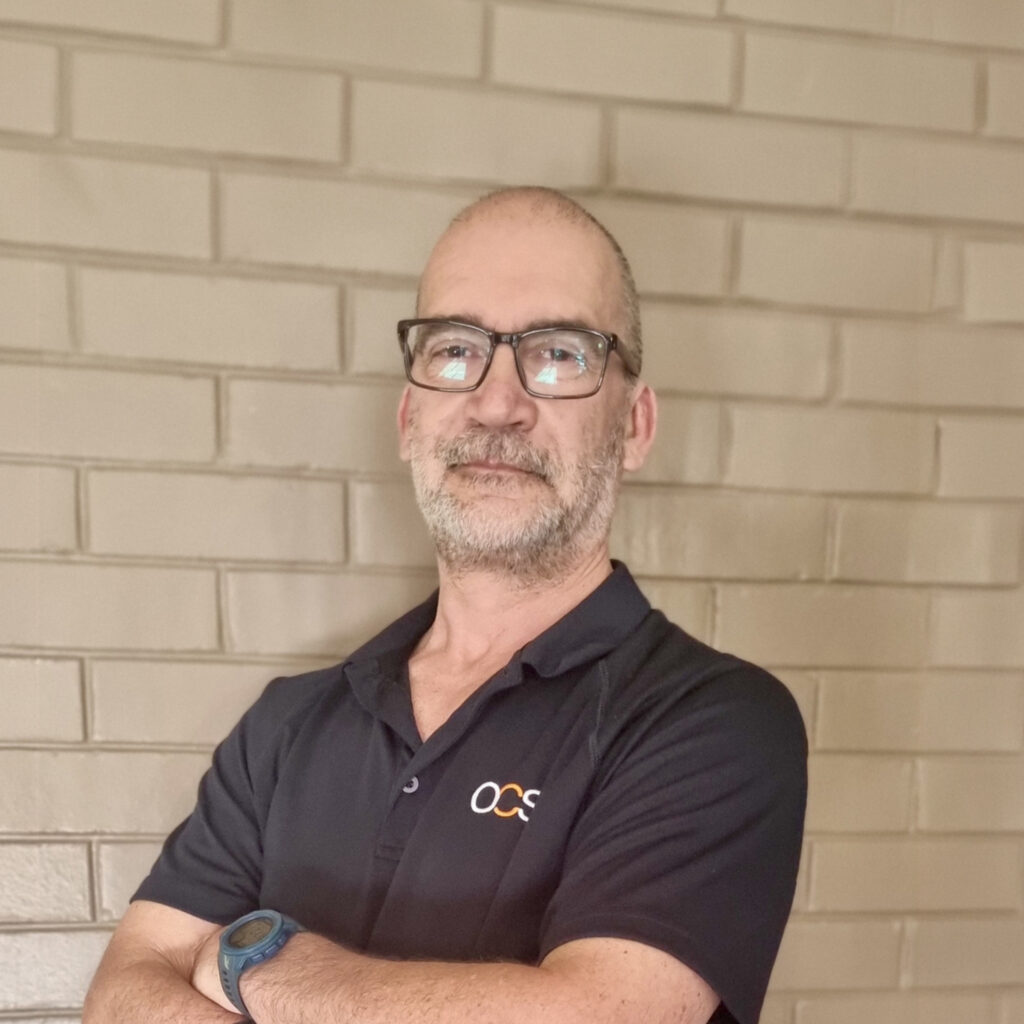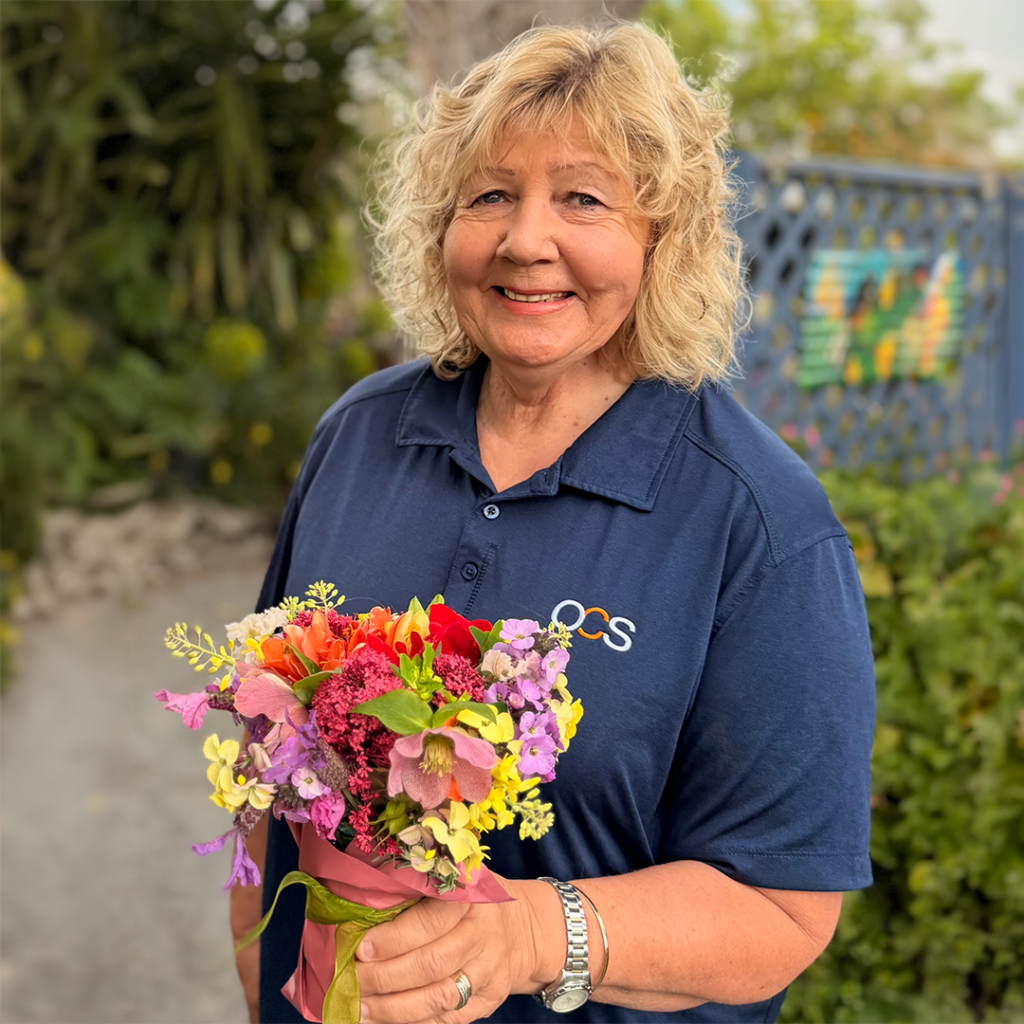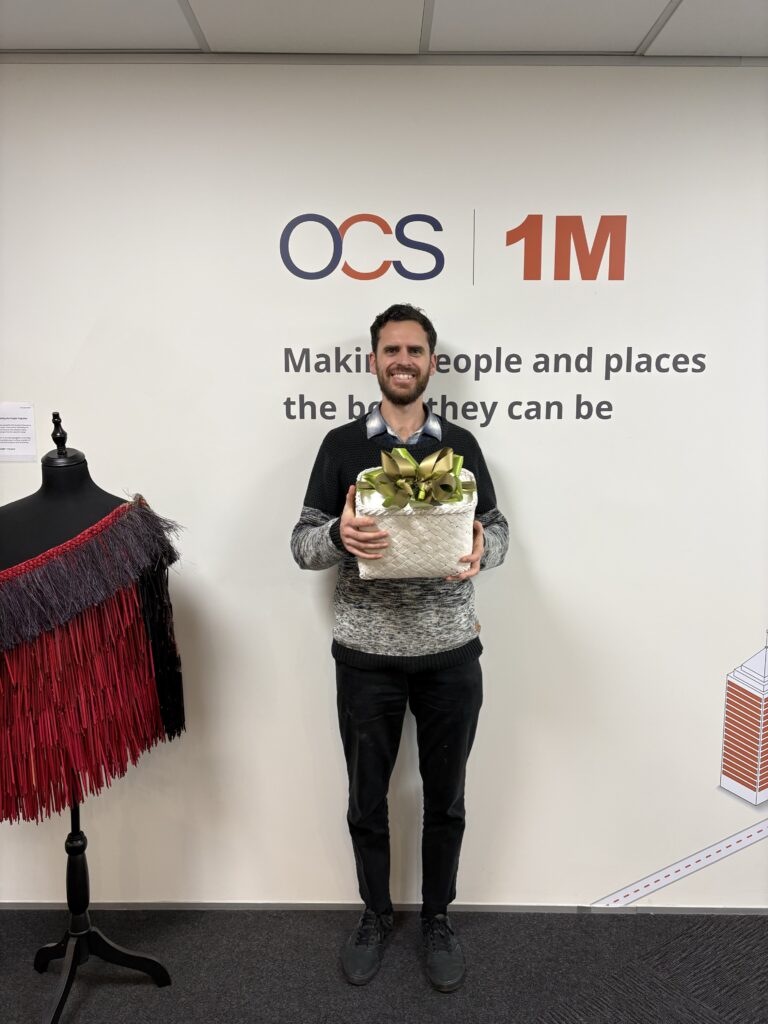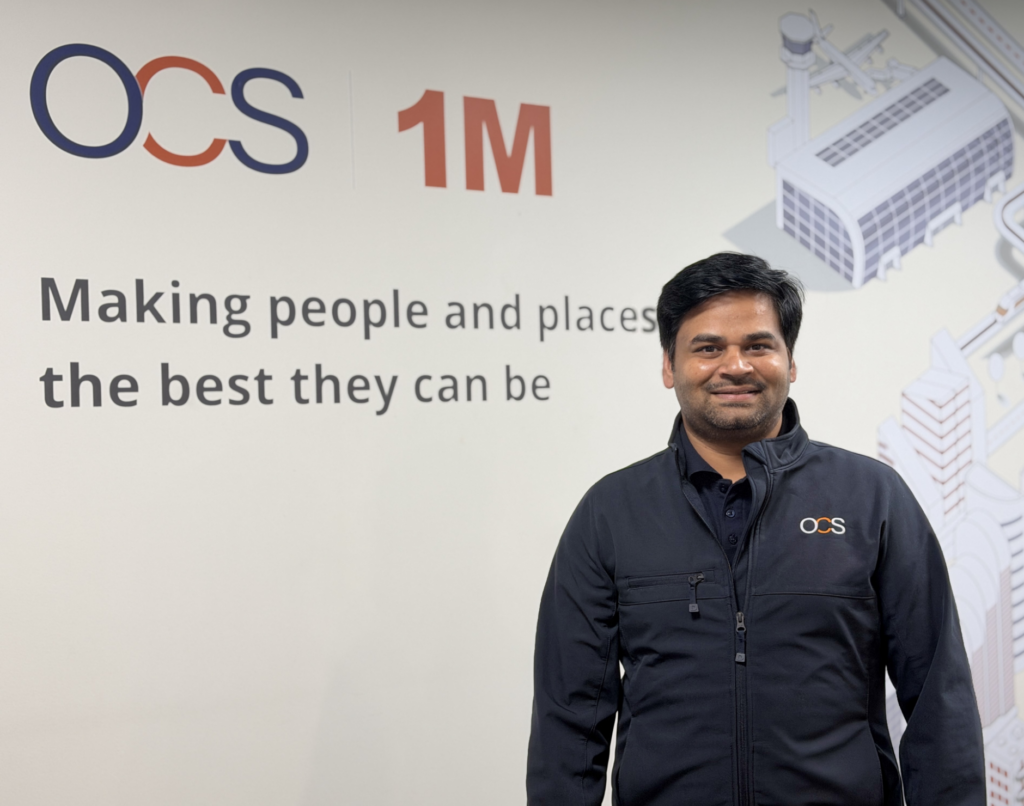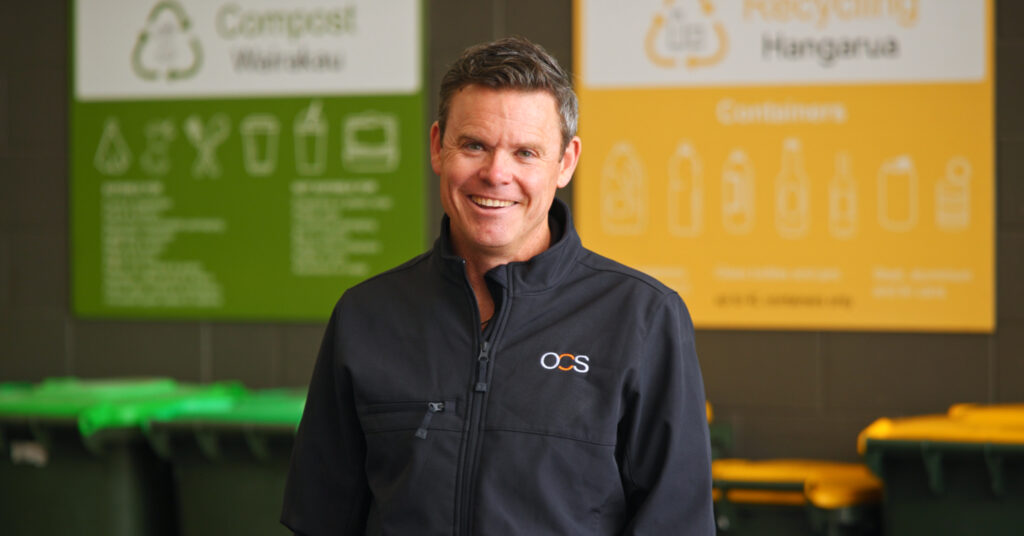
Six months after joining OCS WasteLine, National WasteLine Solutions Manager, Chris Wood recognised that the business needed a different approach.
Established in Aotearoa New Zealand in 2011, WasteLine’s original model centred on consolidating recyclable materials from customers and selling them on the commodities market. But after analysing the industry and the size of the country’s market, Chris realised they needed a change to future-proof the operations.
He saw a gap in the market: businesses were investing in waste consultancy but struggling to implement and maintain the recommended solutions.
“Consultants would develop a strategy and leave organisations to implement it themselves. Waste companies would collect the waste once it was in the bin, but there was a crucial gap between developing a strategy and putting it into practice,” says Chris.
Without the experience or resources to implement and manage new systems, those solutions often failed to deliver the benefits promised.
“So, we brought all the pieces together: consultancy, management, auditing, sorting, and disposal services,” he says.
Working alongside his former manager, Chris helped establish an integrated waste model that brings providers and services together under OCS’s WasteLine solution, giving customers a single point of contact for managing and improving their waste outcomes.
Fifteen years later, that model and OCS’s WasteLine team support more than 650 customer sites across Aotearoa New Zealand, from everyday office waste collections to complex, multi-site waste management solutions.
Understanding customer needs
Chris knows that better waste outcomes start with understanding what customers need, not simply what goes into their bins.
With a career spanning multiple account management roles across building products and facilities services, Chris emphasises building relationships with customers and waste suppliers to deliver solutions that work.
Working closely with those customers, he often bridges gaps between different department objectives: Facilities managers need reliable, fast solutions, procurement teams want cost efficiency, and sustainability managers focus on improving environmental outcomes.
“It’s about finding that balance between the practical, the economic and the sustainable,” says Chris.
“That’s why our business model is flexible. There isn’t a ‘one-size-fits-all’ approach. We build solutions around customer needs with the capacity to evolve over time as priorities change.”
WasteLine integrates four key services that customers need most: consultancy, brokerage, management and on-site waste sorting, all backed by clear ESG reporting. By matching the right providers and services to customer sites, it consolidates day-to-day management, reporting, and invoicing through a single provider.
“WasteLine is both a supplier and a customer, so being in the middle gives us a really good view of what the customer wants, where the industry is going, and what the waste companies can actually deliver,” says Chris.
Technical knowledge for informed decisions
Earlier in his career, Chris worked for a plastics extrusion company where he gained some understanding of plastics and their properties.
It was here that he began developing an interest in keeping resources in use. He has since spent time researching international waste systems, emerging technologies and the factors influencing waste behaviour.
“Improving waste outcomes often comes down to changing behaviour,” he says. “The challenge is encouraging people to adopt new systems when they don’t see an immediate personal benefit.”
He continues to draw on these insights when consulting customers about product choices, the practical realities of recycling and opportunities to reduce waste sent to landfill.
“It’s often about giving customers the information they need to make informed decisions,” says Chris.
“In some cases, switching from a plastic to a metal product might help customers create environmental and economic impact. But in some cases, plastic, disposed of correctly, might still be the best option – even from a sustainability perspective.”
Chris believes that economic incentives and legislation will be particularly important for Aotearoa New Zealand to improve its landfill diversion rates.
“Change happens at three levels: social, economic and legislative,” says Chris.
“There is still work to be done to improve New Zealand’s social engagement with waste. Until that happens, we’re relying on new technologies and legislation as key drivers of change.”
Delivering for a difference
During WasteLine’s early years, Chris’s commitment to customers sometimes meant getting behind the wheel himself.
“When colleagues say I was driving the truck, they’re not talking metaphorically,” he says.
“There were times when suppliers couldn’t make a collection in time for the customer, so I’d hire a truck and do it myself.”
While WasteLine’s supplier network has since strengthened, Chris’s hands-on approach to problem-solving remains central to how he works.
He thrives on challenges and recalls a project in which he developed a national collection and disposal process for asbestos-containing materials.
It required him to draw on his industry knowledge and relationships with specialist suppliers to design a workable, compliant solution – exactly the kind of challenge he enjoys.
“Personally, I’m a problem solver,” he says. “Give me a problem, and I’ll find a way to solve it.”
For Chris, it’s that challenge, combined with the opportunity to improve how organisations manage their waste, that continues to motivate him.
“I enjoy making a difference,” Chris says. “It’s one of the few jobs that I feel can actually make an impact, both socially and environmentally.”