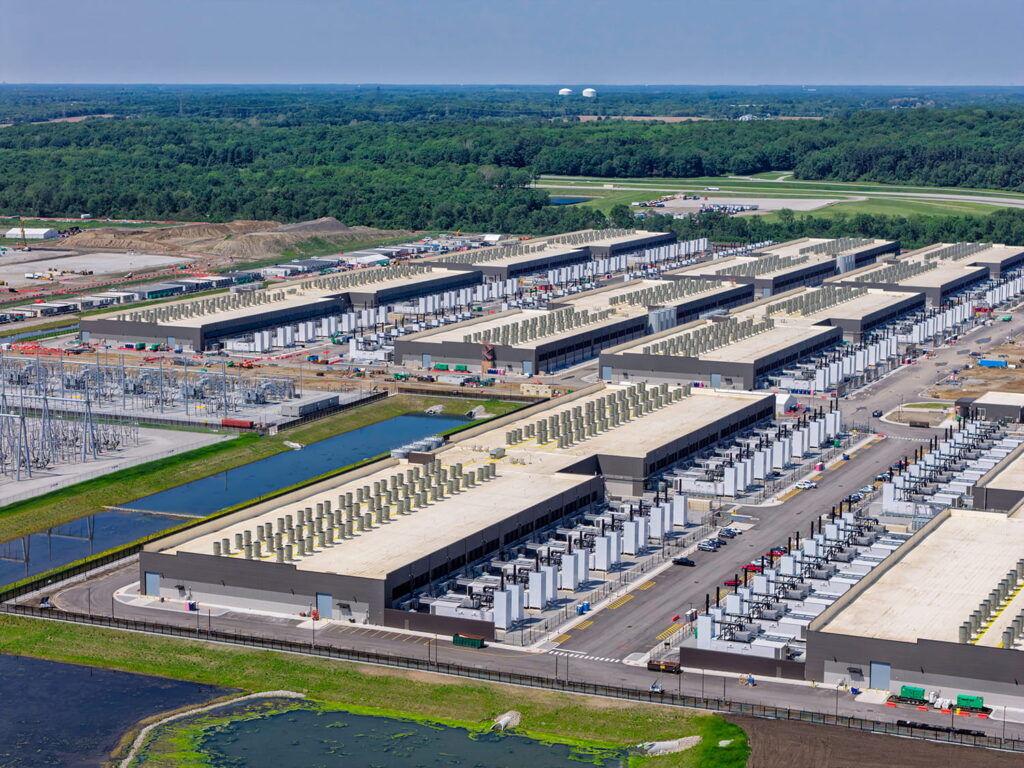


Nick Maggs, Managing Director for Hard Services at OCS UK, was invited to an industry roundtable hosted by Samsung Climate Solutions, which brought together leaders across commercial building management to discuss how buildings are adapting to changing operational and environmental demands.
Nick Maggs
Managing Director, Hard Services – UK&I
Facilities Management as the Driver of Energy Performance
Commercial buildings are central to the UK’s energy transition. As highlighted in OCS’s wider perspective on why facilities management must lead this shift, real progress depends on how buildings are operated, not just on how they are designed. Energy performance is shaped daily by maintenance decisions, system settings and operational behaviours across complex estates.
Facilities management provides the structure and discipline needed to turn energy targets into action. By overseeing assets, people and processes together, FM teams ensure that energy efficiency is embedded in day-to-day operations rather than treated as a one-off initiative.
Hard Services and the Foundations of Efficient Buildings
Hard services play a defining role in how efficiently a building performs. Mechanical and electrical systems account for a significant proportion of energy consumption, making their condition, configuration and maintenance critical. Planned preventive maintenance, compliance and asset lifecycle planning directly influence energy demand, system reliability and carbon impact.
From heating and cooling to ventilation and power distribution, well-maintained infrastructure ensures that systems operate as intended. This supports consistent performance, reduces waste and avoids the inefficiencies that arise from degraded or poorly understood assets.
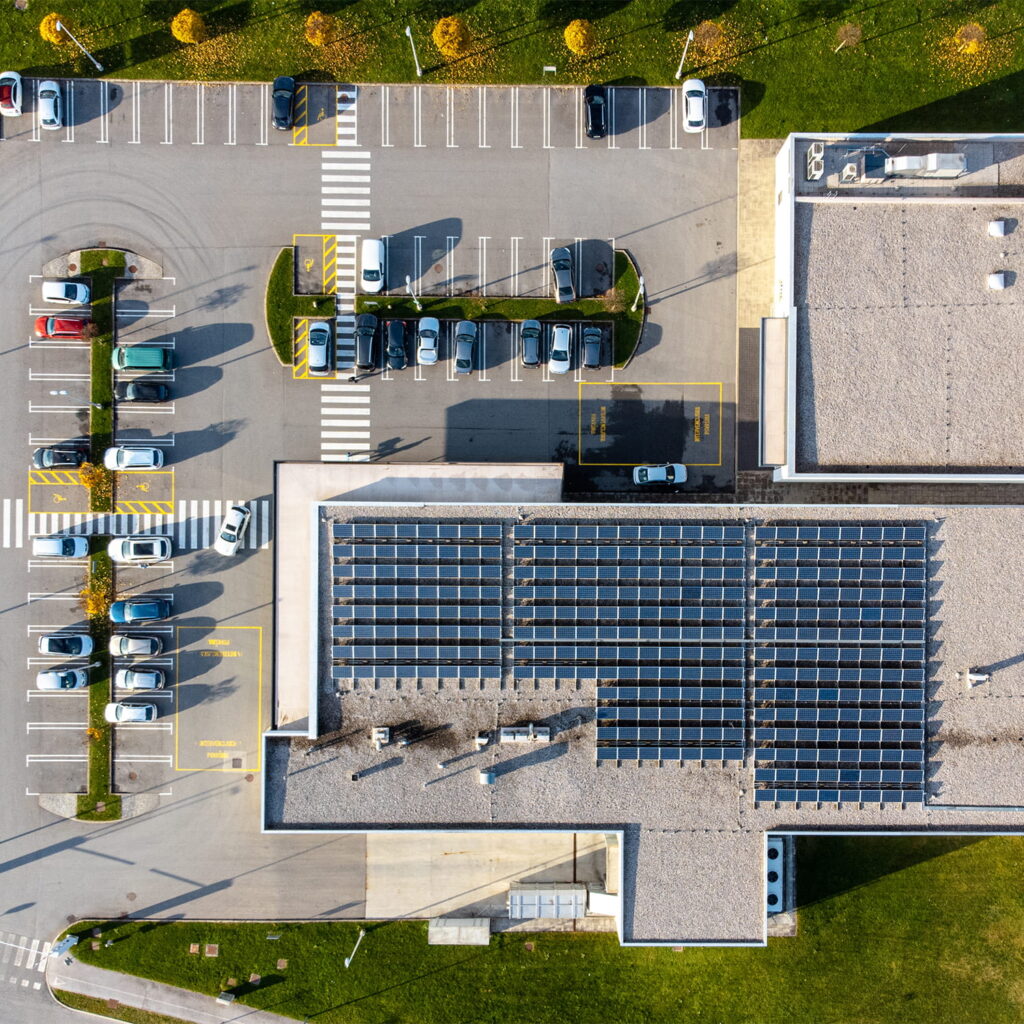

Data, Insight and Preventative Maintenance
Smart building systems and digital controls enhance FM capability when aligned with strong operational fundamentals. Data from building management systems provides visibility of energy use, plant behaviour and asset condition, enabling facilities teams to identify inefficiencies early and intervene before issues escalate.
This supports a shift towards preventative and predictive maintenance, a core principle of the energy transition. By addressing problems before failure occurs, FM teams reduce energy waste, extend asset life and improve resilience across critical building systems.
Translating Energy Ambition into Operational Reality
Organisations increasingly set ambitious energy and carbon-reduction goals. Facilities management is responsible for delivering these ambitions on the ground. This requires engineering expertise, consistent processes and an understanding of how buildings are used in practice.
Hard services teams bridge strategic intent and operational delivery. They ensure that technology, assets and people work together, enabling energy strategies to be applied in a practical, measurable and sustainable way over the long term.
“Facilities management is where energy strategy becomes operational reality. Strong hard services, supported by skilled engineers and well-maintained assets, are essential to improving efficiency and delivering lasting performance across complex buildings.”
Nick Maggs
Managing Director, Hard Services – UK&I
FM Leadership in the Energy Transition
As the energy transition accelerates, facilities management remains essential to progress. FM brings together people, technology and asset care to deliver outcomes that matter, reducing energy demand, supporting compliance and creating environments that work better for the people who use them.
By leading from the operational frontline, FM ensures that buildings are not only smarter but also more resilient, efficient, and future-ready.
Further insight from the roundtable, including perspectives from across the commercial building management sector, is available in the full Samsung Climate Solutions article, which explores these themes in more detail and examines how the industry is responding to change.