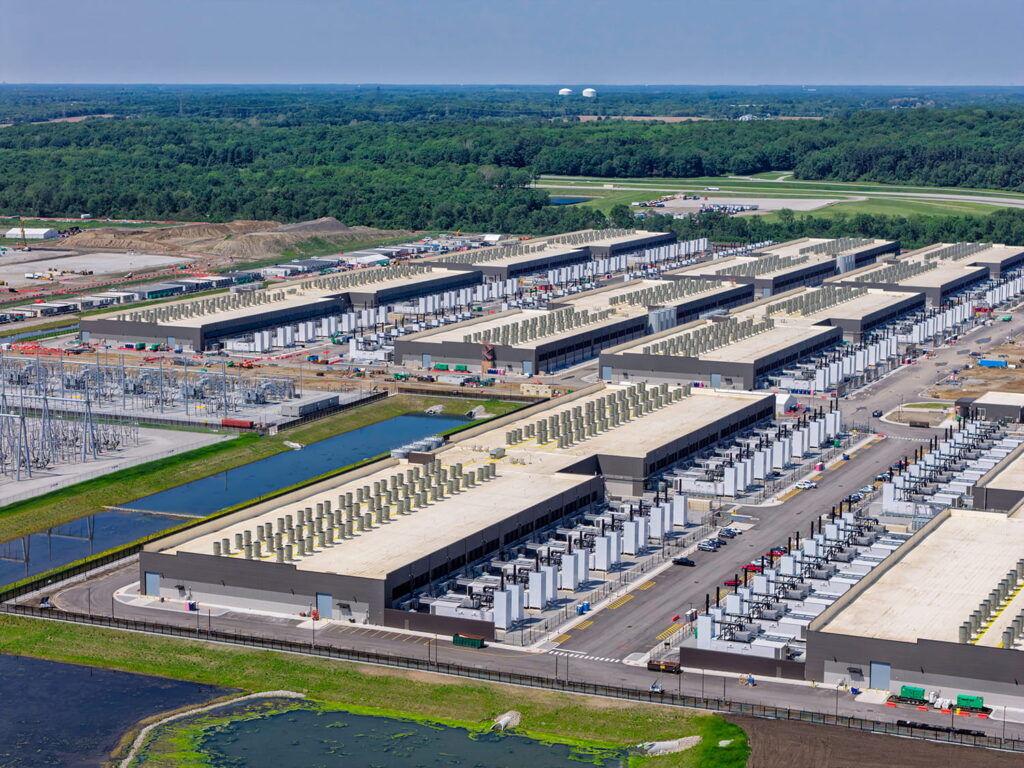



The UK’s data centre estate is expanding at pace. Demand for cloud services, AI workloads and edge computing continues to rise, and the number of UK data centres is expected to increase by almost a fifth. Much of this growth will occur over the next five years, with a greater regional spread than ever before.
As capacity grows, so does the pressure on operators. Secure, efficient and sustainable environments are now under constant scrutiny by regulators, investors and customers alike. Resilience is no longer optional. It is fundamental to performance, compliance and trust.
How FM-led Cleaning Protects Critical Infrastructure
Discussions about resilience often focus on hard services, energy consumption, uptime and compliance. These are essential. But specialist cleaning plays a quieter, equally critical role in protecting data centre environments and supporting those outcomes.
Effective cleaning strategies help prevent hardware damage, support optimal cooling, reduce contamination risk, and maintain uptime and reliability. They also contribute to lower energy consumption and stronger audit readiness, underpinning both operational continuity and regulatory compliance.
This depends on strict contamination control measures. High-Efficiency Particulate Air (HEPA) vacuum cleaners, anti-static cleaning methods, and controlled airflow preservation are standard practice in critical areas. Processes are designed to meet compliance requirements and to withstand audit, not as an add-on but as part of everyday operations.
Cleaning in a Live Data Hall Environment
In live data halls, cleaning is governed by clear, structured controls to ensure safety, compliance and continuity. These typically include Standard Operating Procedures, Emergency Operating Procedures and Local Operating Procedures.
HEPA-filtered vacuums are used to remove microscopic dust from raised floors, cable trays and underfloor plenums without disrupting airflow. Anti-static wipes and Electrostatic Discharge-safe tools are used on racks and equipment surfaces to prevent static discharge.
Work is sequenced zone by zone and aligned with recognised industry standards such as ISO 14644-1 and ASHRAE TC 9.9. Cleaning is often scheduled during maintenance windows, supported by strict access controls, comprehensive risk assessments and documentation that ensures audit readiness. For this to work effectively, FM partners must understand Change Advisory Board requirements and adhere closely to each customer’s risk and compliance framework.
Lessons from High-Volume Global Markets
Experience in high-growth markets offers valuable insight for the UK. OCS supports over 100 data centres worldwide, operating at scale within some of the fastest-growing digital economies, where digital growth is projected to run at nearly twice the pace of the wider economy.
In these environments, consistency is critical. Cleaning teams routinely operate to ISO 14644-1 standards, using HEPA filtration, anti-static methods and rigorous risk assessments to protect sensitive equipment. As demand accelerates, the challenge is to maintain these standards across every site without compromising security or compliance.
The same principles apply in the UK. Operators are scaling rapidly and facing increasing scrutiny. Resilience depends as much on people and processes as on technology. Cleaning colleagues must understand airflow dynamics, contamination risks and the importance of zone-based servicing. They also need the tools, training and governance to deliver with minimal disruption, full compliance and complete traceability.
Cleaning Within a Total Facilities Management Framework
Cleaning is most effective when it operates as part of an integrated facilities management approach. In data centres, resilience depends on multiple FM disciplines working in step.
Security teams manage access control and mitigate physical risk. Hard services teams maintain the uptime of power, cooling and fire protection systems. Energy management and ESG programmes support efficiency and progress towards net-zero commitments.
Together, these services form a Total Facilities Management framework, integrating cleaning, engineering, security and sustainability into a single, coordinated strategy. Each activity supports the next. Cleaning regimes that preserve airflow reinforce energy efficiency. Contamination control supports ISO compliance. Security protocols enable safe access. Maintenance planning ensures work is carried out with minimal operational impact.
Why Integration Matters as the Sector Scales
As operators expand their estates, joined-up delivery becomes essential. Cleaning teams rely on close coordination with engineering colleagues to manage airflow and maintenance schedules, and with security teams to ensure controlled access. ESG commitments also depend on sustainable products and responsible waste management that align with broader environmental objectives.
When these connections are clear, cleaning is recognised for what it delivers. It safeguards infrastructure, reduces risk and supports sustainable growth. Within an integrated FM model, it becomes a strategic enabler rather than a standalone service.
Cleaning as Infrastructure Protection
As the UK builds larger, faster and more efficient data centres, the fundamentals remain critical. Cleaning protects infrastructure, supports safe, compliant environments and helps optimise performance over the long term.
Ultimately, the strength of a data centre is not measured solely by megawatts. It is reflected in the systems, people and processes that keep it running, day after day.