
The Unseen System That Keeps Data Centres Running
Data centres do not slow down. They do not sleep. They do not tolerate interruption. Their environments must operate continuously, predictably and efficiently, with little margin for error and even less for delay.
While much of the focus is placed on architecture, connectivity and power, there is a second system working in parallel, one that underpins performance across every part of the site. This crucial system is facilities management.
In high-capacity, high-risk environments, the expectations placed on FM are specific, technical and non-negotiable. Services must support uptime, protect energy efficiency, reduce risk and provide verifiable assurance across infrastructure, systems and people. That requires depth of capability, clarity of method and a delivery model aligned to the realities of the sector.
A Sector Defined by Continuity and Control
Data centres operate to narrow tolerances. They are expected to maintain uptime close to 100 percent, with no disruption to power, cooling, security or access. In most facilities, performance is benchmarked against Tier standards (such as those from the Uptime Institute) or regulatory codes (such as EN 50600 and ASHRAE TC9.9).
The demands placed on FM teams reflect this. They must be able to manage live environments, support system resilience, deliver preventive maintenance and ensure safe, auditable operations — often across multiple sites and regions.
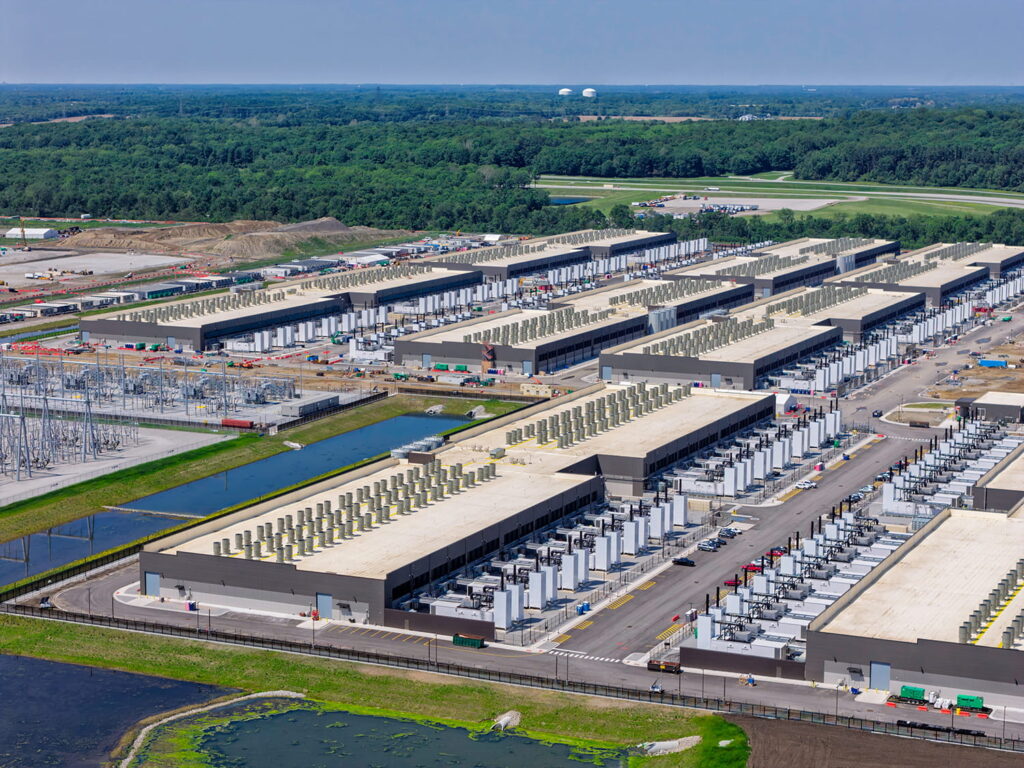
OCS provides hard services to more than 100 data centres worldwide. These include hyperscale campuses, colocation facilities and enterprise environments. Each contract is structured around continuity, technical performance and compliance. Services are self-delivered wherever possible, allowing for tighter control over safety, scheduling and standards.