Hard Services | Our People

Supporting the Transition: Why Veterans Thrive in Facilities Management

OCS Team

OCS Team

24 Jun, 2026

Supporting the Transition: Why Veterans Thrive in Facilities Management

The skills that military service builds don’t disappear when the uniform is hung up. Resilience, adaptability, the ability to lead and communicate under pressure, these are exactly the qualities civilian employers value. Yet many service leavers step into civilian life underestimating what they bring, and without the confidence or support to help them recognise it.

Carl Gage knows that experience firsthand. A former Royal Navy Petty Officer, he’s now Regional Director of Technical Services at OCS and chairs the OCS Armed Forces Network. His experience on both sides of the fence shapes his beliefs about how employers should support veterans, reservists and service leavers. 

More than a Specialism

One of the most persistent misconceptions about service leavers is that their skills are too specialised to transfer. Carl hears it often. 
“People often think that military skills are highly specialised. But there are lots of transferable skills. Not only was I a chef in the Royal Navy, but I was also a firefighter, because you don’t call the fire brigade when you’re out at sea. I was trained in damage control. I covered the firefighter strikes. The most important skill you can take away from that is adaptability. There’s nothing that can be thrown at you that you can’t overcome.”

Alongside adaptability, Carl points to communication as a skill the military sharpens in ways that prove directly useful in FM. Serving on a ship, he’d move between conversations with the most junior crew members and the ship’s captain in the same day, pitching each one at the right level. That instinct, to read a situation and adjust, translates directly into client management, stakeholder engagement, and leading teams under pressure.

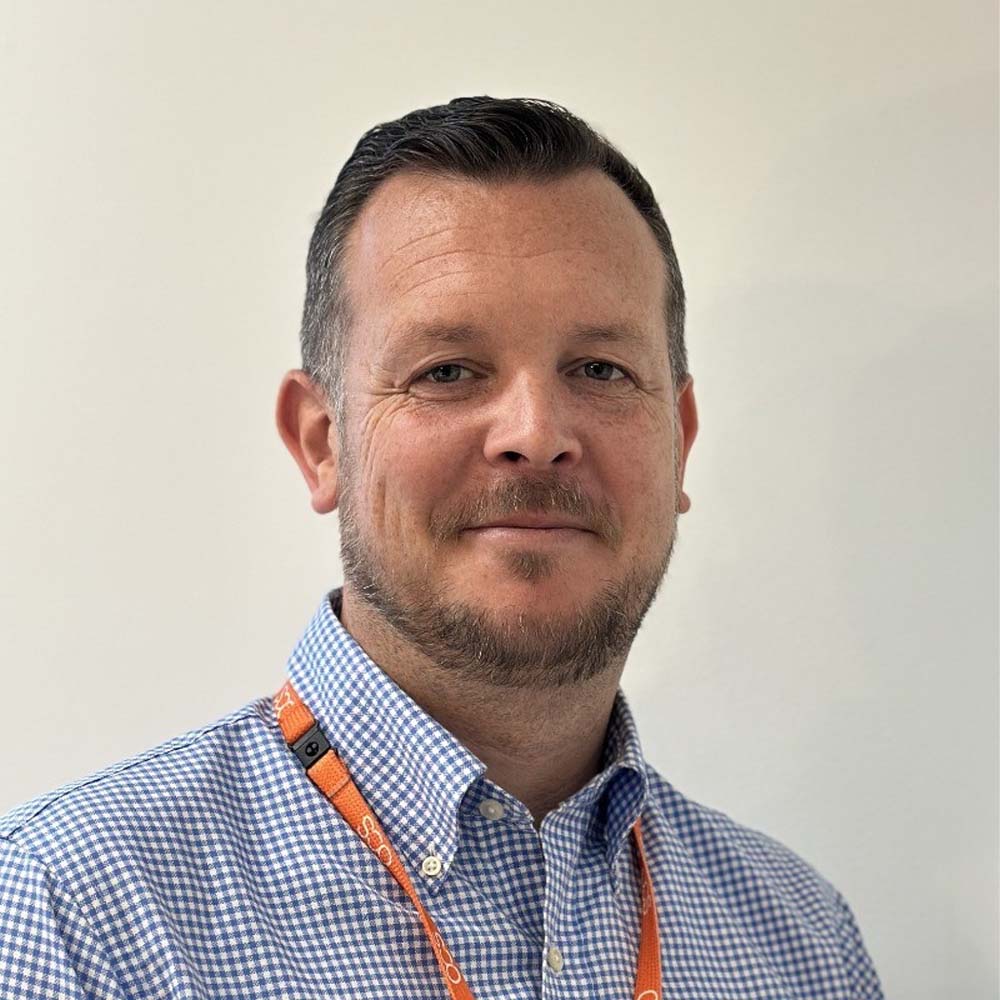
A man with short dark hair and a trimmed beard is wearing a blue checked shirt and an orange lanyard, standing against a plain light-coloured background, smiling slightly at the camera.
Two Images of Carl Gage: On the left as a Naval Chef, on the right working in Facilities Management

Service is Service

What drew Carl to facilities management was something straightforward: the fundamental job is the same.

“Providing a service is something we do, whether that’s a service for the ship’s company or whether we’re providing services to a customer. It’s a service provision.”

The day-to-day reality of FM mirrors military life in ways that only become apparent once you’re in it. Plans change. Priorities shift. Equipment fails at inconvenient times.

“Every day is different in the military, and it is in FM. While you might wake up in the morning with your day mapped out and planned, that seldom ever actually happens. It enables us to think quickly on our feet, prioritise, and not get flustered when things don’t go the way we planned.”

That composure under pressure plays out directly in Carl’s work. When a significant building incident hits – a major leak, a fire, a critical piece of equipment going down, he describes something that kicks in without thinking. People around him may be unsure of what to do, but he finds himself naturally taking control, bringing people together, and establishing a clear response.

“You understand how to communicate at the right levels. The client has confidence in you because you are confident in what you’re saying. You manage expectations, and you deliver on what you say you’re going to do.”

The Reality of Transition

Skills are one part of the picture. Confidence is another. 

For many service leavers, the military has been their entire adult working life, providing structure, purpose and a clear sense of direction. When that framework falls away, the adjustment can be harder than expected, regardless of how capable the individual is. Many go straight from education into the armed forces. Their professional identity has been shaped entirely within a military environment, and stepping into something unfamiliar can feel unsettling even for people with strong records. 

Adapting to civilian workplace culture was one of the steeper parts of Carl’s own learning curve. The way people are led and motivated outside the military is different, and he is open about the fact that adjusting took time and self-awareness. 

“For me, that’s one of the key things: making sure we give service leavers the confidence in coming into something completely new to them but also making sure we’re supporting the transition in the best way we can, to make it as seamless as possible.”

Employers have a real role to play. Without the right support, even the most capable service leaver can find themselves undervalued, underconfident, or simply invisible within a new organisation. Recognising what veterans bring, creating space for that adjustment, and connecting people with others who understand the experience, matters. It can be the difference between a service leaver who settles quickly and one who struggles to find their footing.

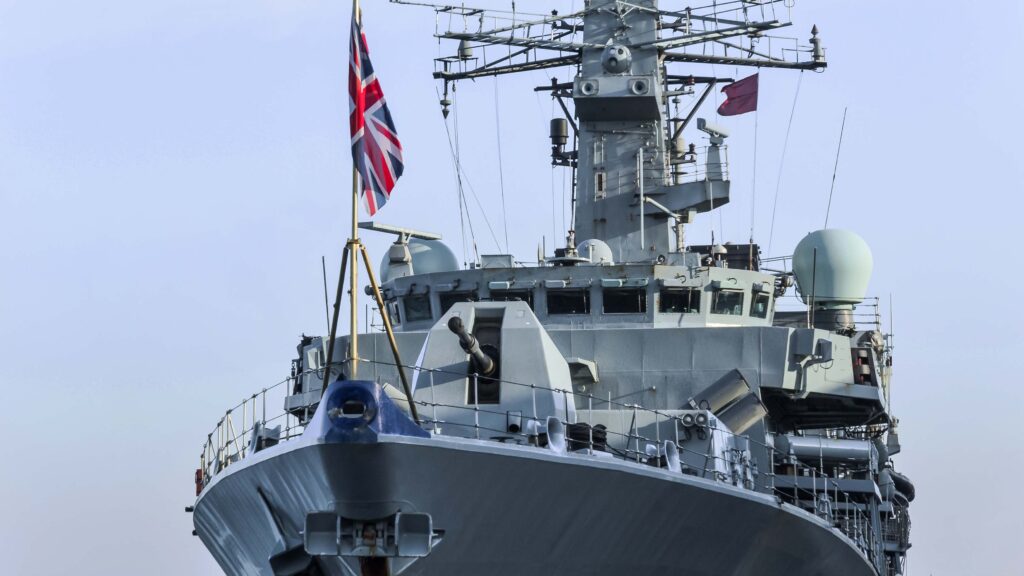
The image shows the upper deck and command tower of a naval aircraft carrier against a blue sky with wispy clouds. Aerials, railings, and equipment are visible on the ship’s structure.
A worker wearing a high-visibility jacket, helmet, and holding a clipboard is adjusting controls on a large panel in an industrial setting. Pipes and machinery are visible in the background.

Building Support at OCS

That is precisely the gap the OCS Armed Forces Network exists to close. 

The network supports veterans, reservists, military families, service leavers and cadet volunteers across OCS. Its purpose is to ensure that anyone with a connection to the armed forces community has a place to turn to, people who understand their experience, creating a sense of belonging within the organisation. 

The value of that peer connection extends further than might be expected. Veterans who’ve experienced high-pressure environments carry knowledge about resilience and mental health that has real value across the whole workforce. 

“It’s about passing things like that on, and vice versa. Working together and working collaboratively.”

The response from colleagues has surprised even Carl. Messages have come in from across the UK from people keen to share that they’re ex-forces and wanting to get involved.

The network is already changing what Carl can see inside the business. “I’m speaking to people I would never have spoken to before, and it’s making me aware of how many of our current colleagues are ex-forces.”

Looking Ahead

OCS is committed to building genuine, lasting support for veterans, reservists, military families and service leavers. That commitment is reflected in both its Armed Forces Covenant pledges and the work being done through initiatives such as the Armed Forces Network. The business currently holds Silver status under the Defence Employer Recognition Scheme, with Gold recognition representing a longer-term ambition as OCS continues to strengthen its support for the armed forces community. 

Longer-term ambitions for the network include a mentoring programme and a work experience pathway, giving people the chance to explore a career in FM before committing to it fully. The aim is for OCS to be genuinely visible to people approaching the end of their military service, as an employer that understands where they’ve come from and what they bring. 

To Anyone Still Serving

Carl’s message to serving personnel considering whether FM is their next step. 

“I thoroughly enjoyed my time in the military. It was exciting, challenging, rewarding, and every day was different. Working in facilities management is very much the same. It brings variety, challenge, and real excitement. The opportunities within FM are massive.”

FM spans technical services, security, catering, cleaning, and much more. The diversity mirrors the range of careers the armed forces offer. Veterans already have what FM demands: resilience, adaptability, and the ability to deliver under pressure. What the OCS Armed Forces Network is working to further build is the support structure that makes the transition feel less daunting, so that the next generation of service leavers can find their footing faster, with people around them who understand where they’ve come from.

Could Facilities Management Be Your Next Mission?

Could Facilities Management Be Your Next Mission?

Careers

Share this story