

Data centres are still dominating business headlines in 2026. The pressure to expand the sector shows no sign of slowing, and the real question is what’s achievable this year and how the industry needs to evolve to meet demand.
Four trends will define how the sector develops over the coming months: the continued popularity of retrofit, the transition to higher-efficiency systems, the growing importance of real-time data, and the pressing need to close the skills gap. Together, these trends are putting data centre energy efficiency firmly at the centre of future development.
Retrofit Remains a Popular Route for Expansion
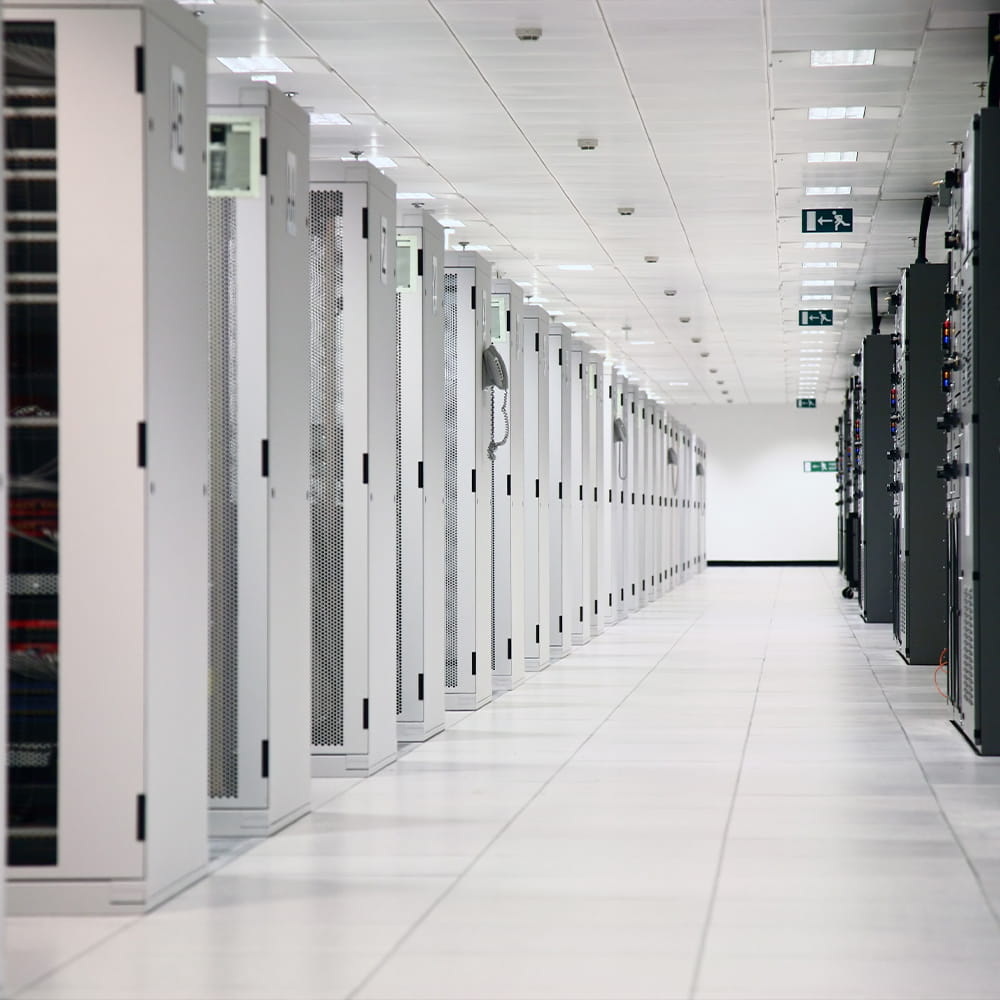
Retrofit-first strategies keep gaining traction as operators recognise the benefits of upgrading existing facilities to advance sites and expand capacity. Rather than pursue new builds, retrofitting offers a strategic alternative for improving performance, supporting net zero goals, and managing infrastructure risk.
The advantages are clear. Retrofit can cost up to 40 per cent less than constructing a new facility, and project timelines can be cut by around 30 per cent by avoiding lengthy site development and utility setup. It also bypasses grid connection lead times by drawing on an already-established power supply, something 54 per cent of developers cite as a key barrier to new projects.
The sustainability case is just as strong. Reusing infrastructure significantly reduces embodied carbon emissions compared with a greenfield build from scratch. The industry faces growing scrutiny over its environmental impact and retrofit offers a pragmatic way to expand capacity without developing as large a carbon footprint.