
Facilities Management (FM) generates information constantly, across buildings, assets and services, and most of it goes unexamined. Bruce McDonnell, Managing Director, Private Sector FM at OCS UK, believes that is the industry’s next opportunity. Used well, he argues, that information can shift FM from reporting what has already happened towards shaping what happens next, and artificial intelligence can help organisations find the questions within their data they have never thought to ask.
In an interview with Martin Read at Facilitate magazine, Bruce discussed how consolidation, integrated facilities management, technology and changing customer expectations are influencing the market. He also reflected on an industry that remains highly dependent on people, creating opportunities for FM businesses to support employment and develop new skills alongside better service outcomes.
Scale Can Strengthen Specialist Capability
Consolidation has been a feature of the FM market for years. Bruce believes its pace has accelerated. His experience of that change spans his own career, from Incentive FM through Atalian Servest and, more recently, OCS.
His perspective challenges a common assumption about scale.
“Scale doesn’t dilute specialism; for me, if it’s done right it distils it.”
Managing Director – Private Sector FM, OCS UK&I
Bruce describes integrated FM as genuine integration across services, supported by specialist capability in areas such as security, cleaning, mechanical and electrical engineering, energy and sustainability. A larger organisation can bring those capabilities together while retaining the expertise within each service. For colleagues, greater scale opens access to subject matter expertise, technology and broader career opportunities.
Customers gain too. Bruce is seeing greater demand for integrated models, particularly in environments where customer experience is important, including venues, destinations and retail.
Customers Now Want Insight That Informs Decisions
Customer expectations have moved on, yet traditional performance measures remain important. Providers still need to know whether standards have been met. But Bruce said customer conversations are increasingly moving beyond transactional measures towards outcomes and insight.
He gave examples of the detailed measures historically used in FM: how often something has been cleaned, the number of guest interactions, whether filters have been changed. Those measures still matter. Customers now want to understand what the information means for their organisation.
Bruce described the direction as a move towards a more “insight-driven partnership” rather than a transactional relationship. Integrated FM makes that possible. Information from different services and assets can be considered together, giving teams a broader view of an operation and more evidence to base decisions on.

AI Can Help FM Ask Better Questions
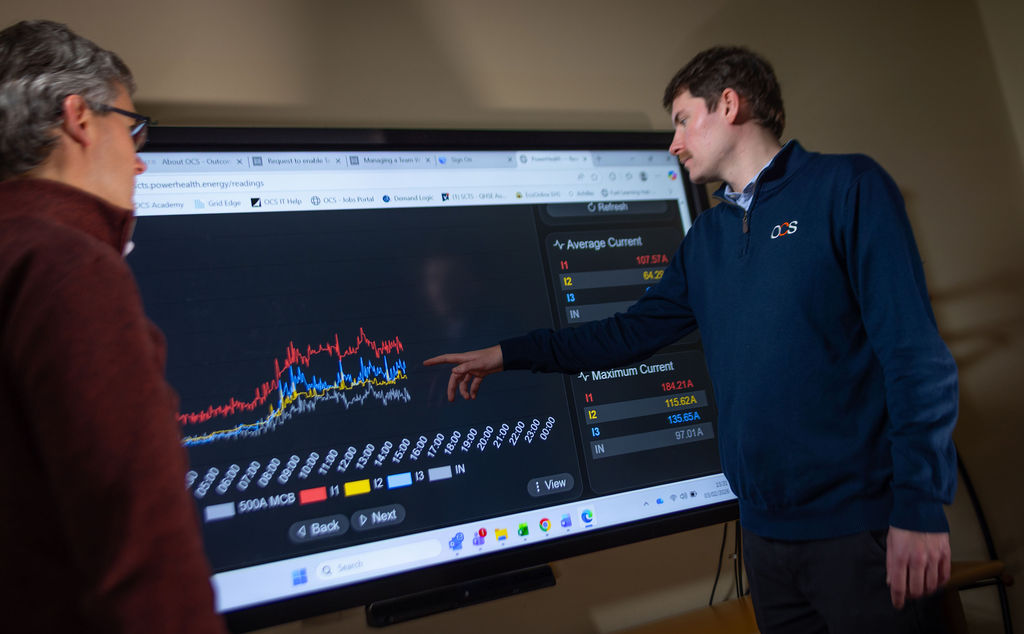
In an integrated environment, the data stretches across service delivery, customer interactions, assets, energy use and other areas of building performance. AI creates new ways to interrogate it.
He sees an opportunity to “unlock the questions we didn’t know were a question in the first place”, with potential across scheduling, customer engagement, forecasting and energy optimisation. One shift is particularly significant. Bruce described moving from reporting data and “looking in the rear-view mirror” towards using information to understand what should happen next, and where customer and FM partner need to go together.
The question becomes more useful than the technology itself: what can the information tell us that we were not previously able to see?
Technology Can Strengthen a Fundamentally Human Service
Bruce is equally clear about the continuing, and important role of people. Many FM services depend on colleagues being physically present: maintaining assets, supporting visitors, managing crowds, keeping environments safe and delivering the everyday interactions that shape customer experience. Technology can make those services more informed and efficient, while people continue to deliver them.
In his words, technology “should be there to drive value and to enhance what we do and how we do it for our customers”.
Sustainability Is Moving into Delivery
Net zero has moved from what Bruce described as a “strategic desire” towards a delivery requirement. Commitments are increasingly contractual and auditable, creating a clearer operational role for FM providers in helping customers make progress.
Integrated FM can contribute through energy management, lifecycle planning and projects. It connects sustainability objectives with the buildings, assets and services where changes need to happen. Strategy moves closer to everyday operations.
FM Can Create Practical Routes into Employment
The size and reach of the FM industry also create opportunities to support people into work.
OCS’s programme with Everton Football Club’s charity Everton in the Community shows what that looks like. It was designed to support people who were not in education or employment, offering work experience, qualifications and practical help with CV writing, applications and interviews. Fifteen people took part in the previous cohort. All fifteen went on to find work, the next cohort is already in action.
Large contracts create jobs; they also open a route in for people who need support to reach those opportunities. Bruce extended that argument to younger people considering their careers, pointing to OCS’s work with schools, colleges and universities, alongside apprenticeship routes that introduce people to the range of careers available across FM.
Skills investment runs alongside the technology story. OCS is beginning to connect AI with colleague development, and Bruce referenced AI apprenticeships as an example of the work to build understanding of the technology and incorporate it into how services are delivered. Better information is only useful if the people using it know what to do with it.
The next opportunity for FM lies in turning greater capability and better insight into outcomes people can see and experience.
Bruce McDonnell’s interview with Martin Read originally appeared in Facilitate magazine. The full published article can be read in the September issue of Facilitate Magazine.