Hard Services | Technology

Digital Engineering in FM: Turning Building Data into Better Decisions

Nick Maggs, Managing Director, Hard Services – OCS UK

Nick Maggs, Managing Director, Hard Services – OCS UK

26 May, 2026

Digital Engineering in FM: Turning Building Data into Better Decisions

Technology now shapes most decisions in facilities management, from compliance and cost control to how teams plan their working day. Digital engineering and predictive maintenance are at the forefront of that shift, giving hard services teams systems that anticipate issues before they become disruptions, costs or compliance risks.

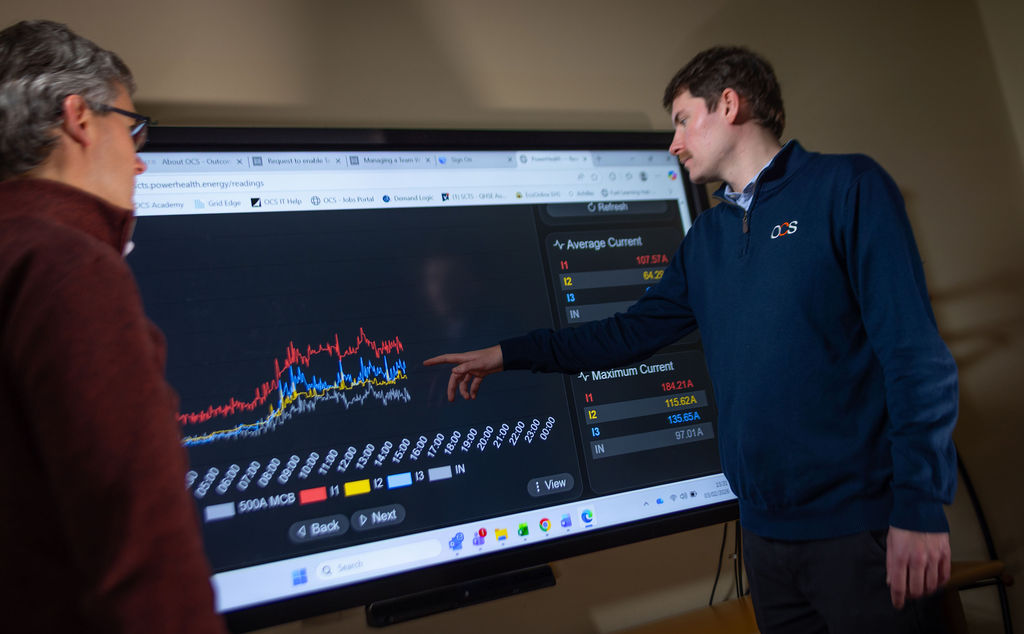
Sensors, building management systems, analytics and automated alerts now give facilities teams a clearer, real-time view of building performance. Engineers can act on evidence rather than waiting for failure.

People still make the difference. Technology can flag a risk, but skilled teams decide what it means, how urgent it is, and which action will protect the customer’s operation. The real value lies in the balance between digital insight and engineering experience.

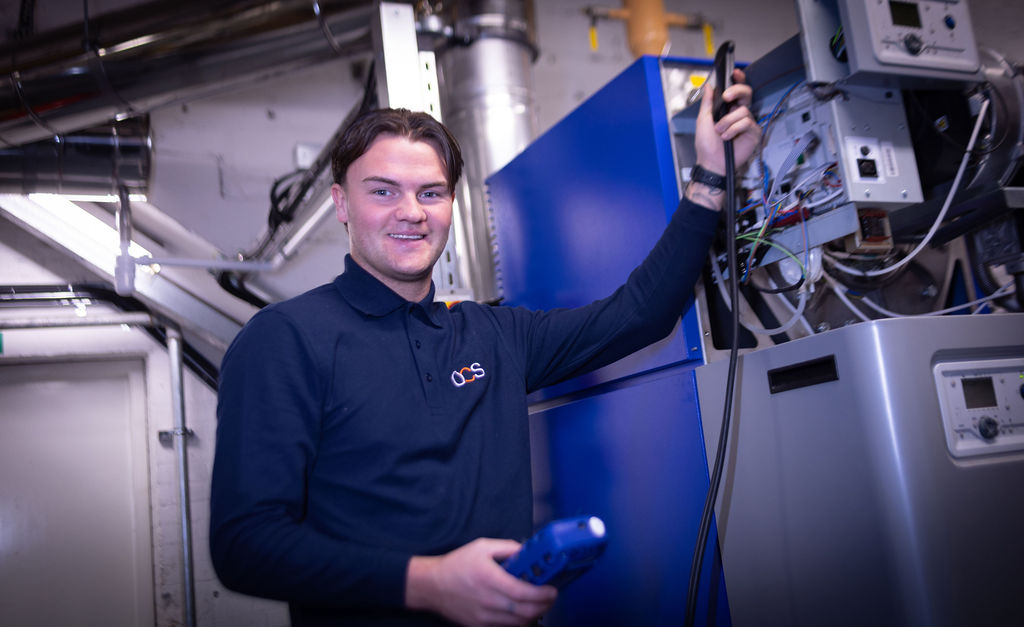
A technician in a navy blue shirt smiles whilst working on electrical equipment in an industrial setting, holding a tool and cables near open control panels.
Two engineers in safety gear and helmets examine data on a tablet in an industrial setting, discussing charts and graphs displayed on the screen. Machinery and technical equipment are visible in the background.

Maintenance Starts with Visibility

Reactive maintenance will always have a place in facilities management. Buildings are complex, assets age at different rates, and operational conditions change day to day. The issue is dependency. When maintenance relies too heavily on fault reporting after the event, teams end up responding to disruption rather than preventing it.

Predictive maintenance gives engineers greater control. Monitoring indicators such as temperature, vibration, pressure, occupancy and energy use enables facilities teams to spot changes in asset behaviour before a breakdown occurs. Small changes often matter. A pattern that seems minor in isolation may point to a larger issue when viewed over time.

That changes how resources are used. Teams can prioritise the equipment that needs the most attention, reducing unplanned downtime, extending asset life and supporting better cost control across the estate.

The Infrastructure Behind Better Decisions

Digital engineering depends on connected systems that collect, share and interpret data consistently. A sensor on its own has limited value. Its usefulness comes from how that data flows into building management platforms, reporting tools and operational processes.

For customers with complex estates, this digital backbone is essential. It gives facilities teams a clearer view across multiple buildings, helping them compare performance, identify recurring issues and plan interventions with stronger evidence.

Analytics and machine learning add further depth, identifying patterns that are difficult to detect through manual checks alone. Cloud-based platforms support this by providing teams with the storage, processing capacity and access needed to manage information across sites.

The basics still matter. Poor data, inconsistent asset records or unclear ownership can undermine even the most advanced system. Before organisations invest in more technology, they need to know what data they hold, how reliable it is, and who is accountable for acting on it.

A worker wearing a hard hat, safety glasses, and a reflective vest uses a laptop in a server room filled with glowing computer racks and blue lighting.
A smiling woman with glasses and a ponytail stands with arms crossed at an electric vehicle charging station, wearing a navy polo shirt with an orange WIRELOGIC logo on the sleeve. Blurry green trees are in the background.

Automation Has to Serve the Operation

Automation is already shaping everyday FM delivery. Lighting, heating and cooling systems can adapt to occupancy patterns. Scheduling tools allocate tasks more effectively, and automated alerts flag potential issues for engineering teams before they escalate.

Used well, automation reduces waste and helps colleagues focus their time where it creates the most value. It supports energy efficiency, improves response times, and gives customers stronger assurance that critical building systems are monitored.

It also has limits. Automated systems require clear rules, proper maintenance and human oversight. A building that responds intelligently to changing conditions still needs engineers who understand the environment, the assets and the customer’s operational priorities.

Compliance Needs Evidence, Not Assumption

Compliance is one of the strongest drivers for improving digital capability in FM. Customers need assurance that assets are maintained, statutory duties are met and risks are properly managed. Digital records support that assurance by creating clearer audit trails and more accessible evidence.

The same applies to environmental performance, planned preventative maintenance, safety checks and data security. When information is captured consistently, teams can see what has been done, what remains outstanding and where action is needed.

Cybersecurity belongs in the same conversation. Connected buildings deliver operational benefits, but they also heighten the need for secure systems, controlled access and appropriate data protection. Encryption, multi-factor authentication and clear governance are essential when sensitive operational information is managed across digital platforms.

Skills Will Define the Pace of Adoption

The next stage of digital engineering in facilities management will be shaped by capability as much as by technology. Organisations need systems that work. They also need colleagues who can interpret data, challenge what they see, and turn insight into action.

That takes investment in training, processes and confidence. Engineers and operational managers should be equipped to use digital tools as part of normal service delivery, with these tools fully integrated into day-to-day operations.

Artificial intelligence and augmented reality will continue to advance, opening new possibilities for diagnostics, remote support and asset management. As these tools mature, customers will expect greater transparency. They will also expect fewer disruptions, clearer reporting and stronger evidence that their facilities are operating safely and efficiently.

Digital engineering is moving hard services towards a more predictive and accountable model. The opportunity is clear: better decisions, earlier interventions and more resilient buildings. Organisations that get the foundations right now will be better placed to manage risk, improve sustainability and create the best environments for the people who use them every day.


Engineering Led Hard Services for Complex and Critical Environments

Engineering Led Hard Services for Complex and Critical Environments

Explore Our Hard Services

Share this story