Six decades of growth, from a single Gatwick contract to a global aviation services partner.
Every journey OCS supports today rests on sixty years of learning how airports work. The company’s aviation story sits within a wider 125-year heritage of facilities evolution, but the aviation chapter has its own clear starting point: 1966, and a small specialist business with big ambitions. What began as aircraft cleaning has grown, and six decades later, its successors support more than 60 airports and airlines across five countries, with over 4,000 aviation professionals worldwide.
The aviation chapter has its own clear beginning, and it is worth telling properly, because the habits formed in those first few years still shape how the business works today.
A Training Camp, a Sceptical Airline and a Start
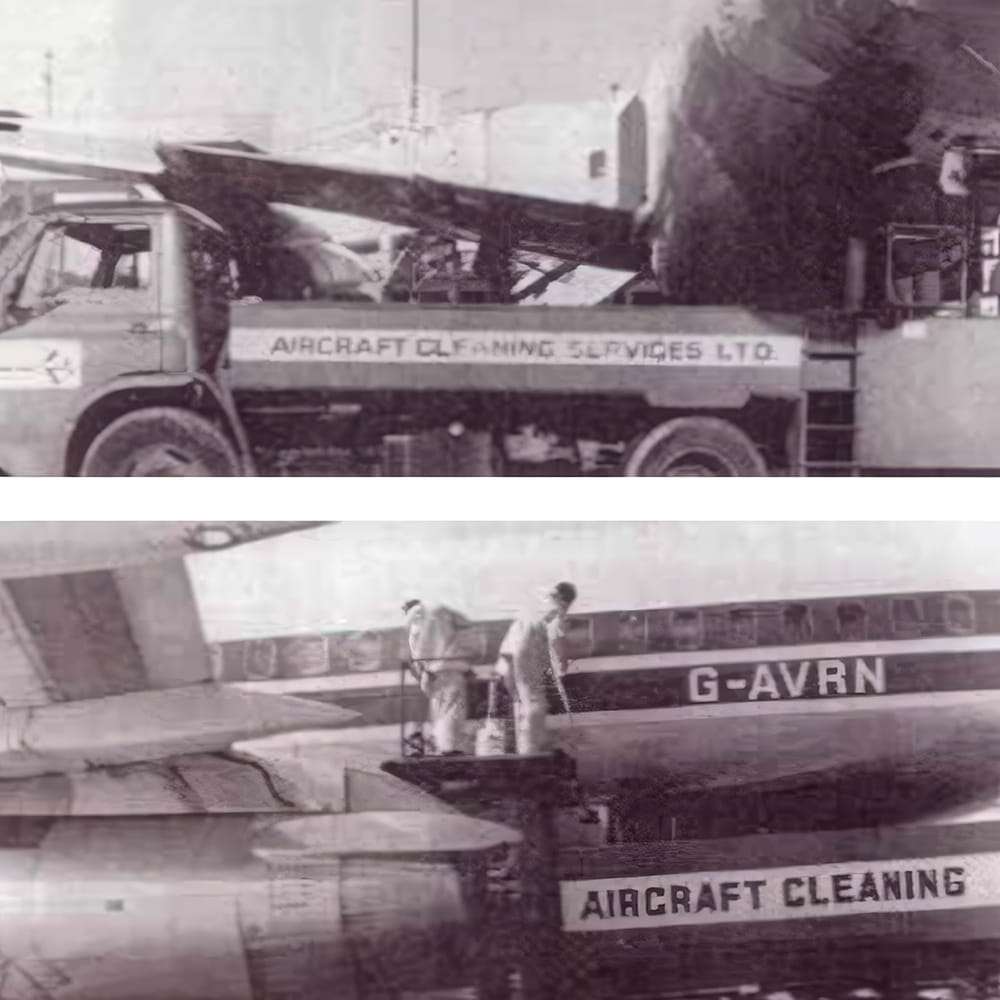
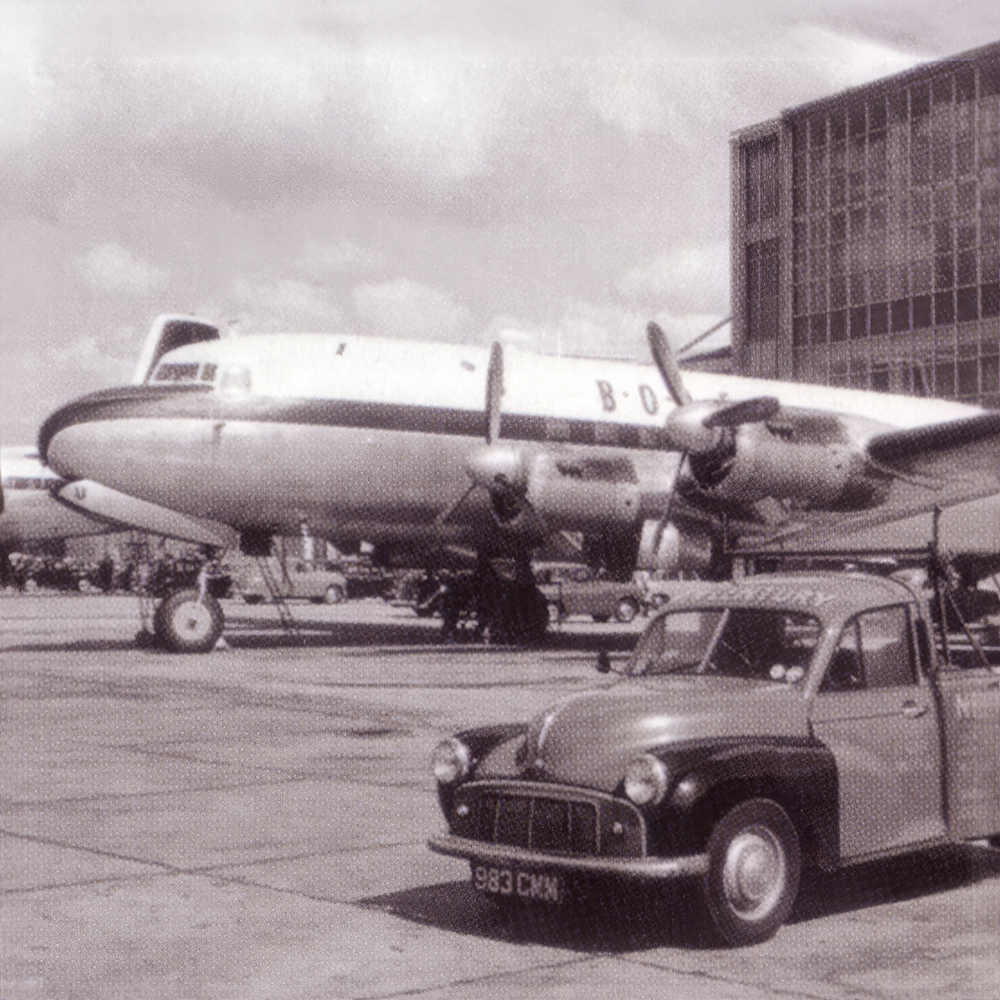
Rising fuel prices in the mid-1960s pushed UK airlines to look hard at their costs, and Silver City Airlines asked New Century Metal Maintenance whether it could clean aircraft exteriors. The first cleans were carried out on Bristol freighters at Eastleigh Airport.
British United watched with interest and a good deal of scepticism, unconvinced by the prospect of, in its own words, “a bunch of window cleaners climbing all over its expensive aircraft”. The response was to build a training camp at Eastleigh and prove the point.
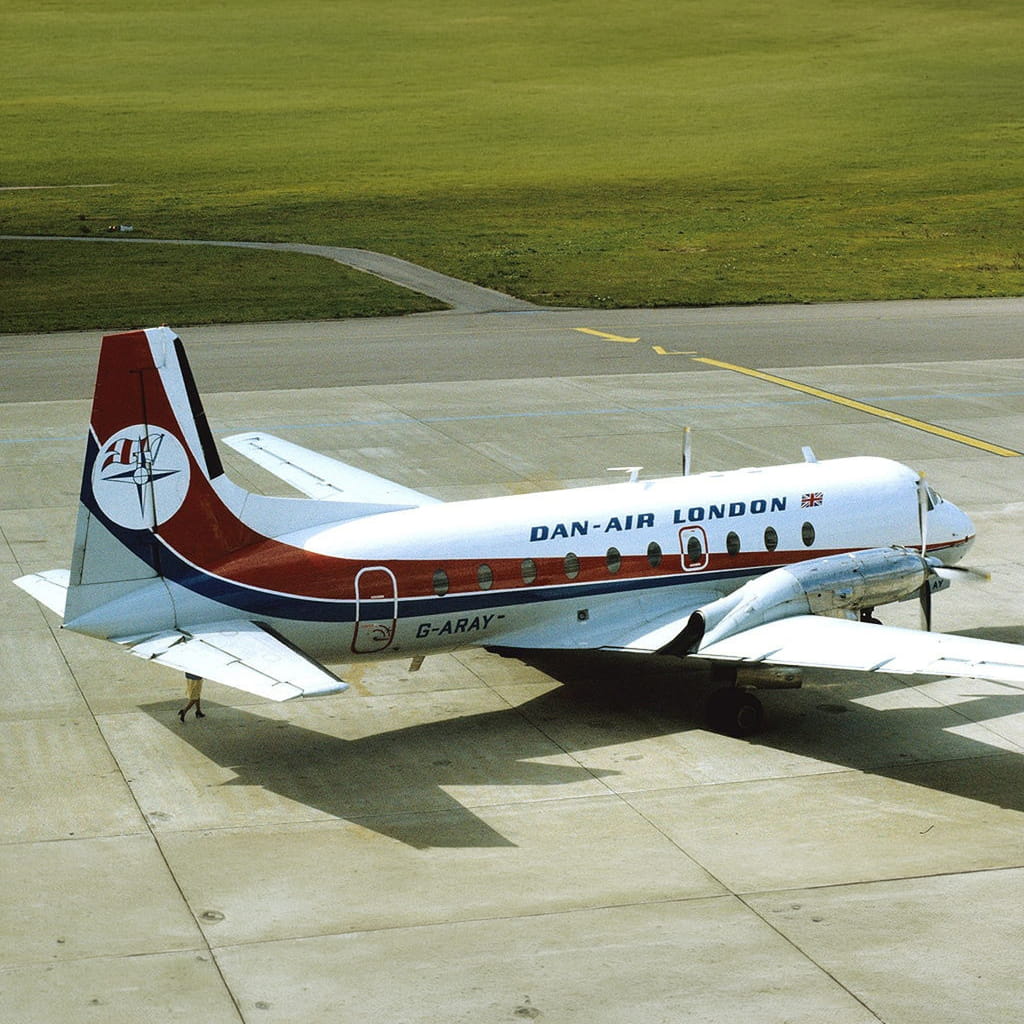
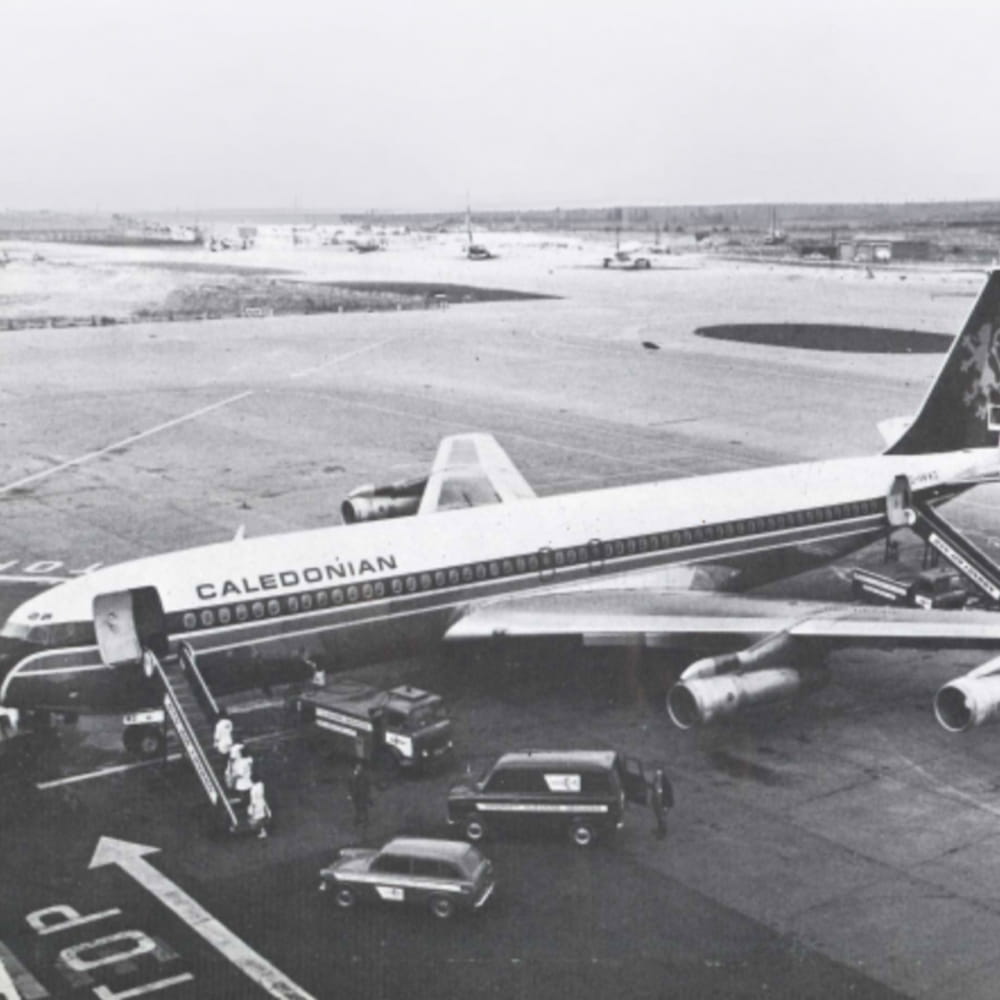
In 1966, OCS was awarded its first aviation contract with Dan-Air, based at London Gatwick. Within a year, seven-person teams were readying a Boeing 707 in around ninety minutes and completing approximately thirty-five turnaround cleans a day.
Word travelled. Luton followed in 1971, servicing around 7,300 aircraft in its first year, and Manchester became a second major base. By 1972, the company was handling around 550 aircraft a week for some ninety airlines.
Expertise proved portable early too. In 1975, the business began expanding its aviation services internationally, supporting Pakistan International Airlines in Karachi and then Gulf Air in Bahrain.
From Cleaning Aircraft to Running Aviation Services
The business continued to evolve, and by the early 1990s its ambition was moving well beyond aircraft cleaning.
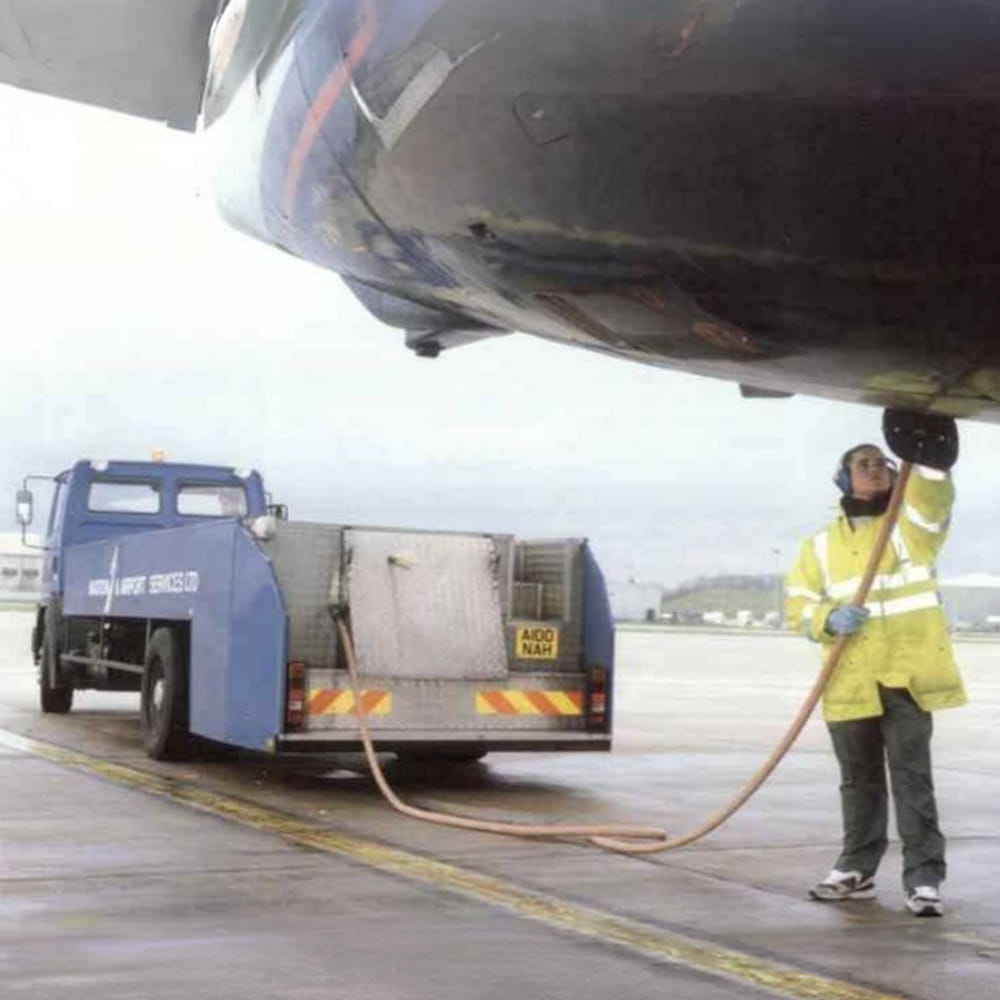
In 1991, Chris Cracknell and John Oliver joined the Board, with Kevin Goody as General Manager, and the business diversified under a new name: Aviation & Airport Services Ltd (AAS).
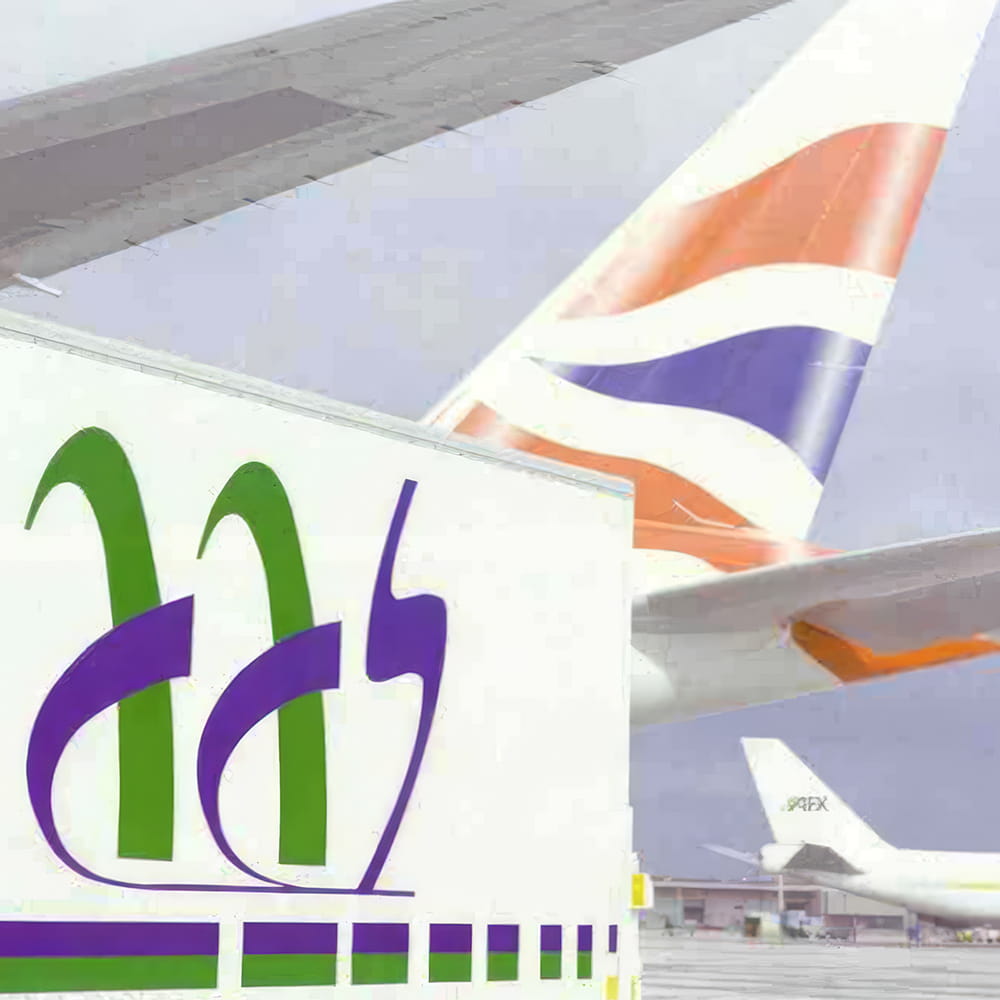
In 1992, we began our long-standing relationship with British Airways, securing the facilities management contract, including hard services. The following year, we secured their aircraft-grooming contract with 17,000 aircraft turned that year.
A passenger-care wheelchair service launched at Gatwick’s new North Terminal, where 35 trained staff assisted more than 40,000 passengers requiring assistance in the first year, and a dedicated laundry for onboard products opened at the company’s Gatwick Road headquarters in Crawley.
Aircraft grooming, passenger assistance and laundry remain important parts of OCS’s aviation services today.
Growth came through acquisition too. Skyliner Services Ltd, another aircraft-grooming specialist, was acquired at Heathrow in 1995.
The Airport Connection Ltd, offering chauffeur drive, mishandled-baggage delivery and airline-crew transport, was acquired in June 1996, bringing its Managing Director Martin Gammon onto the Board.
In February 1997, the company won the contract to clean the British Airways Concorde fleet. By 2000, AAS was cleaning more than 150,000 aircraft a year, assisting almost 400,000 passengers requiring support, laundering two million in-flight items and handling around 200,000 transport movements annually, accredited to the aviation industry’s JAR-OPS standard.
What began with aircraft exterior cleaning became a much broader aviation services business.
The Modern Era: From Aircraft to Passengers
Something important shifted through the 2000s and 2010s. As OCS’s aviation services footprint grew, passenger experience became an increasingly important part of the story.
OCS teams at airports including Gatwick, Bristol, Dublin and Sydney have been recognised for their work supporting passengers with reduced mobility and hidden disabilities.
At Gatwick, OCS supported the airport as it became the UK’s first autism-friendly airport, while OCS and Gatwick together won Innovation of the Year at the 2016 Dementia Friendly Awards. Duncan Lowe’s team at Bristol received a Professional Excellence Award from Bristol Autism Support, while Mick Connolly, Regional Training and Standards Manager for Aviation and Gateways, was appointed a Department for Work and Pensions Sector Champion.
And fifty years after OCS first established its Gatwick operation, the same airport became the birthplace of an idea that would transform journeys far beyond aviation.
In 2016, the Hidden Disabilities Sunflower Lanyard was pioneered in collaboration by OCS and Gatwick Airport, with Raffaella Mauro, now Business Director, Aviation UK&I at OCS, playing a part in its development. What began as a way for passengers with non-visible disabilities to discreetly indicate that they might need additional support is now recognised across airports, transport networks and public spaces around the world.
“That was pioneered by OCS and Gatwick Airport. It impacts the journeys and passenger experiences of millions of people globally, every single day.”
Sector Managing Director for Transport, OCS UK
Innovation continued in the years that followed. Bespoke passenger assistance resource-allocation technology was piloted at Cork Airport in 2017 before being rolled out at Dublin Airport in 2019. Planning and forecasting technology was subsequently piloted at Cork in 2022 and implemented at Dublin in 2023, with the approach now used across OCS aviation operations globally.
The international footprint continued to grow too, including operations across Australia, New Zealand and India.
The relationship with British Airways also grew during this period. In 2013, OCS was awarded the British Airways soft services contract.
What Sixty Years Has Built
Richard Marshall, Sector Managing Director for Transport at OCS, has spent 23 of those years with the business and has seen first-hand how aviation has evolved.
“Aviation is one of the foundational markets we’ve operated in. I’ve been at OCS for 23 years, and it’s always been a key market. When you sit back and look at the airlines, airports and services we deliver, it’s something to be genuinely proud of. We’re visible to millions of people who pass through these major airports every day.”
Sector Managing Director for Transport, OCS UK
Sixty years has built something that cannot be created overnight: the accumulated judgement of people who understand what happens when an airport is under pressure and know what to do next.
It has built the confidence to mobilise a new cabin cleaning operation in three months. Relationships measured in decades rather than contract terms. Technology developed in one airport and applied across operations around the world. And a deeper understanding of what passengers need, including those whose needs aren’t always immediately visible.
That experience is still evolving.
For Raffaella Mauro, Business Director for Aviation and Gateways, the significance of that heritage lies not simply in how long OCS has worked in aviation services, but in what those years enable the business to deliver today.
“Customers value experience, stability and proven expertise. Sixty years demonstrates longevity, but what really matters is how we combine that heritage with innovation and a commitment to continually improve. It absolutely matters, but only if you continue to earn it every day.”
Business Director for Aviation and Gateways, OCS UK
Sixty years has built something that cannot be created overnight: the accumulated judgement of people who understand what happens when an airport is under pressure and know what to do next.
It has built the confidence to mobilise a new cabin cleaning operation in three months. Relationships measured in decades rather than contract terms. Technology developed in one airport and applied across operations around the world. And a deeper understanding of what passengers need, including those whose needs aren’t always immediately visible.
In 2026, OCS returned to cabin cleaning with Virgin Atlantic, standing up new operations at Heathrow and Manchester in just three months. At the same time, its work across aviation and defence environments continued to demonstrate how expertise developed over decades can be applied to increasingly complex infrastructure and operational challenges.
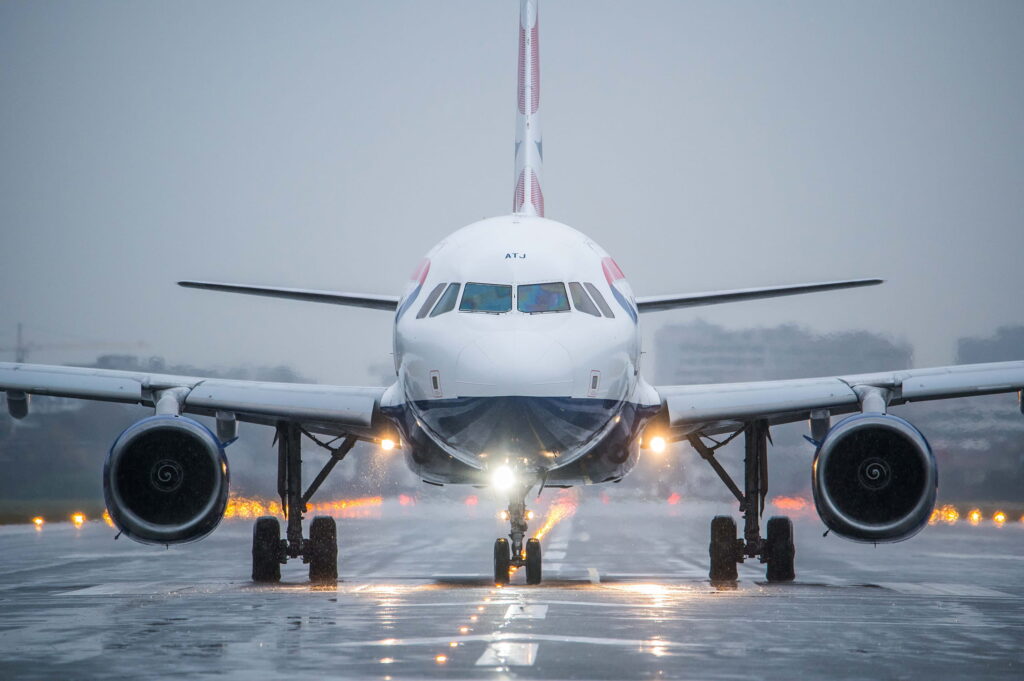
Today, OCS supports more than 60 airports and airlines with over 4,000 aviation professionals across the UK, Ireland, Australia, New Zealand and India, delivering aviation services shaped by six decades of experience.
From seven-person teams cleaning Boeing 707s at Gatwick to a data-led partner working across five countries, the scale has changed enormously. The principle behind it has not: expertise built over time, applied by people who care about the journeys they help make possible.
Because every journey matters.