Neurodiversity Celebration Week is a moment to recognise that there is no single way to think, learn, or work. Around the world, people bring unique perspectives, experiences, and ways of processing information. Across OCS, when we create space for those differences, we create better outcomes for people, customers, and communities.
A Career Built Through Curiosity and Challenge
Progress rarely follows a straight line. For Olivia Warmington, Procurement Performance Manager, growth has come through curiosity, challenge, and learning how to work with her brain rather than against it.
Olivia joined OCS in October 2016 as part of our helpdesk team for our cleaning customers. Within months, she stepped into a team leadership role. What followed was a series of moves driven by opportunity and appetite to learn, from managing the Shared Services colleagues in Mauritius to building closer relationships with suppliers and procurement colleagues.
After four years leading performance across shared services, Olivia made the move into procurement. It was a conscious decision to stretch herself again.
“I’m someone who works best when I’m learning and challenging my brain,” she explains. “Once I feel I’ve mastered a role, I’m ready for the next step.”
Today, Olivia has worked within procurement for almost two years. Alongside her role, she has been open about living with Attention Deficit Hyperactivity Disorder (ADHD) and how that shapes the way she thinks, works, and contributes.
Understanding ADHD Through Lived Experience
Unlike many women who are diagnosed later in life, Olivia was first diagnosed with ADHD at the age of seven. At the time, understanding of how ADHD presents in girls was limited. She was described as “coping” and subsequently discharged.
What Olivia now recognises as coping was masking, adapting herself to fit a neurotypical world.
It was later in life, particularly after becoming a parent, that the impact became clearer. The increased demands and sensory load brought her ADHD traits to the surface. She sought a reassessment and received a formal diagnosis as an adult. Her son was also diagnosed with inattentive ADHD at the same age she had been.
“Advocating for my son made me realise I needed to advocate for myself. If I want the world of work to be more adaptable for him in the future, I have to help put that groundwork in place now.”
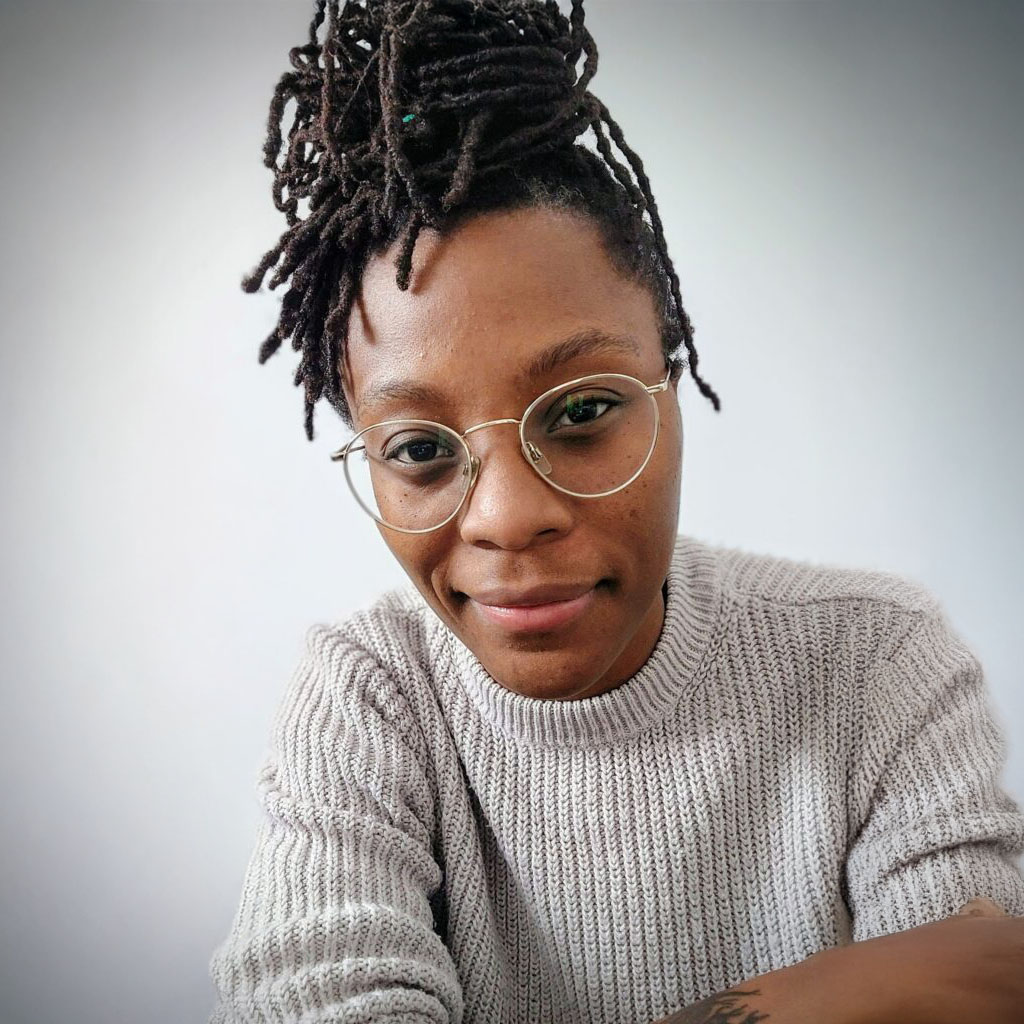
Olivia Warmington
Procurement Performance Manager
Where ADHD Becomes a Strength
ADHD is often misunderstood. Stereotypes still focus on distraction or hyperactivity, usually imagined as physical restlessness. Olivia’s experience is different.
“The hyperactivity for me is in my brain,” she explains. “It’s constant thinking, pattern-spotting, ideas connecting.”
In her role, this shows up as strong problem-solving, relationship building, and an ability to think differently when situations are complex or fast-moving.
“People with ADHD often perform well in crisis situations,” Olivia says. “We process information quickly and stay calm when things need resolving.”
She has seen this play out in her own work, particularly when navigating challenges, supplier relationships, or performance issues that need creative solutions.
Building Stronger Teams Through Difference
Olivia is clear that the strongest teams thrive because of diversity, not sameness.
Neurodivergent colleagues often bring strengths such as pattern recognition, creativity, empathy, and intuition. These qualities can challenge established thinking and open up new approaches.
“Sometimes I’ll suggest something that sounds completely random,” Olivia admits. “But the team around me helps shape it, adapt it, and turn it into something that works. That’s where the real value is.”
She also challenges assumptions about social skills.
“A successful team isn’t one where everyone thinks or works the same way. ”It’s where different strengths balance each other.
“There’s a belief that all neurodivergent people struggle socially. In reality, there’s often a lot of empathy and intuition. That’s been key for me in building strong relationships.”
Olivia Warmington
Procurement Performance Manager
The Role of Managers and Practical Support
For Olivia, support at work has not been about special treatment. It has been about understanding how she works best.
Clear deadlines, written follow-ups after conversations, and trust to manage her workload independently make a real difference. Micromanagement, on the other hand, makes it harder to perform. She believes these adjustments aren’t just helpful for neurodivergent colleagues, they’re good practice for everyone.
Olivia also highlights the importance of listening, believing most people want to do well. Neurodivergent colleagues have spent years trying to fit a mould that doesn’t work for them and when managers listen and adapt, you get the best out of that person.
She draws a clear parallel with physical accessibility.
“Neurodivergence is a disability, even when it’s hidden. If we make adaptations for someone using a wheelchair, we should be just as willing to adapt for how someone’s brain works.”
Olivia Warmington
Procurement Performance Manager
Access to Work and Working With the Brain
Through the government-funded Access to Work scheme, Olivia received ADHD coaching. The support helped her develop strategies and, just as importantly, practise self-kindness.
“A lot of the time, you end up fighting your own brain,” she says. “The coaching helped me stop doing that and start working with it.”
Some weeks are highly productive. Others are steadier. Learning to accept that rhythm has improved both her performance and wellbeing, Olivia believes that pushing constantly doesn’t lead to better outcomes, balance does.
Creating Space for Conversation and Change
Alongside her role in procurement, Olivia has been involved with CHROMA, the OCS colleague-led network, since its inception. She has chaired the network for the past two years, helping to shape wellbeing initiatives, mental health first aider programmes, and inclusive activities that reach frontline colleagues as well as corporate teams.
For Olivia, progress starts with listening to lived experience and turning insight into action.
“There’s still more we can learn,” she says. “But every conversation helps build understanding, trust, and better ways of working.”
As Neurodiversity Celebration Week highlights, difference is not something to manage around. It is something to understand, support, and value. By recognising neurodiversity as a strength, and by making thoughtful adjustments grounded in trust and respect, OCS continues to build a culture where colleagues feel valued and empowered.