

In technical services, barriers to entry are real.
They are not branding issues or surface-level points of difference. They are operational, technical and commercial thresholds that determine whether an organisation can safely and credibly deliver in high-security, high-complexity and mission-critical environments.
That is particularly true in sectors such as defence, government and data centres, where the consequences of failure are immediate, visible and serious. Customers in these environments do not buy promises. They buy capability, assurance, proven delivery and confidence that the provider understands the environment it is entering.
That is why the acquisition of EMCOR UK matters.
It changes the scale of the engineering business. It deepens technical capability. It brings proven experience in secure and highly regulated environments. It gives OCS stronger credentials in markets where access has always depended on more than ambition.
We often talk about breaking down barriers to entry. In some areas, OCS can now jump over them.


What Barriers to Entry Actually Look Like
In hard services, barriers to entry vary by market, but they usually come down to four things:
→ Security and clearance
→ Technical understanding of risk
→ Capacity to deliver at scale
→ Proof of presence in the sector
Defence is a good example. It is a secure environment, but security alone is not what makes it challenging. Defence estates are extensive, complex and operationally demanding. Procurement bodies such as the Defence Infrastructure Organisation buy at a very significant scale, and providers need to demonstrate they can mobilise and sustain delivery across large regional estates, housing portfolios, training facilities, and strategic sites.
That requires more than engineering capability on paper.
It requires people with the right level of clearance. It requires organisational maturity to operate in secure environments. It requires the capacity to bid for, mobilise, and deliver very large contracts. It also requires credibility with the customer, built through experience and relationships.
One of the most practical barriers in defence is proof of presence. Customers need to know that a provider already understands the environment, understands the security requirements and has the operational capability to perform at scale. No one can simply assert that. It has to be evidenced.
The acquisition of EMCOR UK materially changes OCS’s position. It strengthens the security and delivery credentials needed to operate in these environments and gives the business greater weight in conversations around future large-scale opportunities.
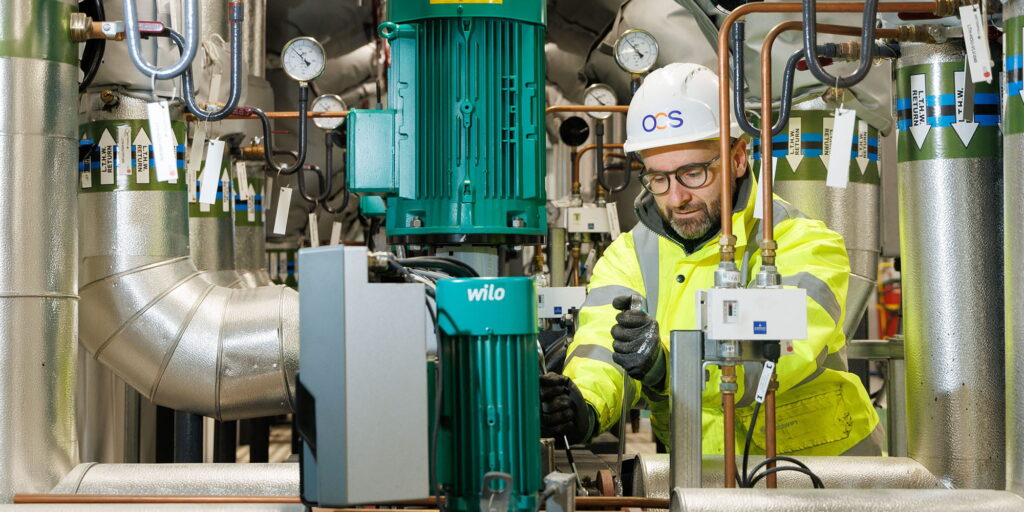
Scale Matters in Technical Services
Scale in engineering is not just about revenue. It is about confidence, control and delivery capacity.
Larger and more complex contracts require a different level of governance, operational control, workforce planning and risk management. Customers in critical environments look for providers that can absorb complexity without compromising statutory compliance, service continuity or safe systems of work.
That is where the combined business becomes more powerful.
OCS now has a hard services business on a far greater scale, which gives the organisation stronger credentials when approaching customers in markets such as defence. It changes the conversation from aspiration to capability.
That matters because many of these markets have long been dominated by a relatively small group of large providers. To compete seriously, a business needs the capacity to stand on equal terms with them. It needs to show that it can support major estates, manage technical risk and sustain delivery over time.
This is where Engineering Excellence comes into view. It is not just the quality of the technical task itself. It is the ability to deliver that work consistently, safely and with control across a large and varied portfolio.
Why Data Centres Are Different
Data centres create a different barrier altogether.
The issue there is not only scale. It is technical specificity.
For years, one of the recurring questions in technical services has been why some providers have not entered data centres or other specialist sectors such as nuclear. The answer is usually simple. Without proven experience, without a detailed understanding of the risks, and without the right technical controls, entering those markets creates unacceptable exposure.
In data centres, the cost of failure is massive.

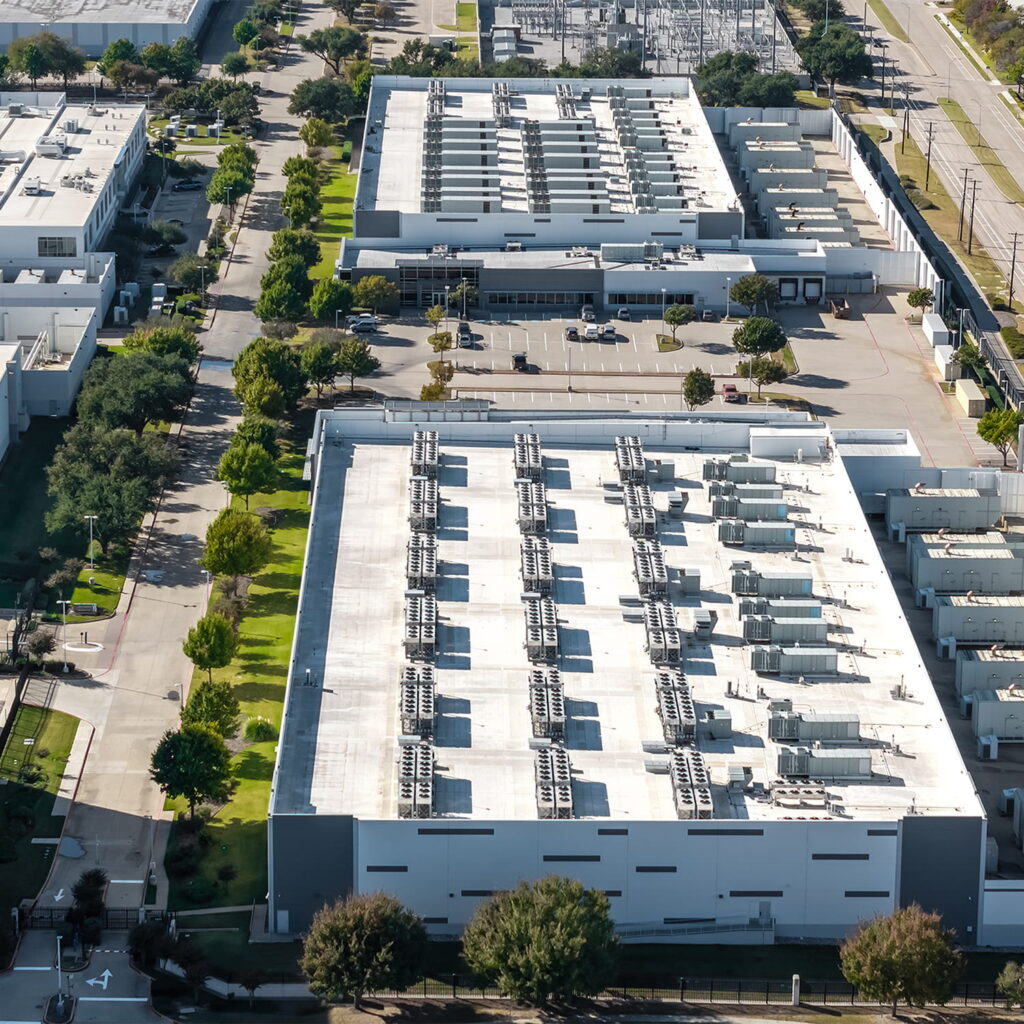
A hard services provider does not operate remotely. Engineers physically maintain critical systems. They work on infrastructure that supports uptime and resilience. If something goes wrong, the consequences are immediate and potentially severe.
That means the barrier to entry is fundamentally about understanding of technical risk.
A provider needs to understand the standards, operating requirements, and performance thresholds of the environment. It needs to understand what good looks like, where the risks sit, and how to manage them without creating new ones. Without that depth of understanding, a business can walk into problems it does not yet know how to see.
That is why EMCOR UK’s experience matters so much. It brings technical knowledge, delivery experience, and an established capability in environments where precision, compliance, and operational discipline are non-negotiable.