Facilities Management | Our People

The Lessons That Never Leave You: Rob Legge on Service, Leadership and Life After the Forces

OCS Team

OCS Team

26 Jun, 2026

The Lessons That Never Leave You: Rob Legge on Service, Leadership and Life After the Forces

Before leading one of the world’s largest facilities services businesses, OCS Group CEO Rob Legge served in the RAF Regiment. As Armed Forces Day approaches, he reflects on the lessons that shaped him, the challenge of leaving Forces life behind and why he believes veterans have so much to offer the facilities management industry.

As Armed Forces Day approaches, it is an opportunity to recognise the men and women who have served their country, often in challenging circumstances and far from public view.

For OCS Group CEO Rob Legge, it is also a moment for reflection.

Before leading one of the world’s largest facilities services businesses, Rob was a teenager searching for direction, purpose and adventure. The lessons he learned during his years of service continue to influence the way he leads today, the way he builds teams and the opportunities he wants to create for others following a similar path.

We sat down with Rob to discuss his journey from the RAF Regiment to the boardroom, what service taught him and why he believes facilities management offers a natural home for many veterans.

Rob, taking it right back to the beginning, what made you join the Armed Forces?

It’s an interesting question because, looking back, I think I always felt drawn towards it.

I spent a lot of time outdoors growing up. I went through Scouts and adventure groups and enjoyed being outside, working as part of a team and learning practical skills. I liked the discipline that came with it and the sense of achievement you got from pushing yourself.

Like many young men, though, I wasn’t completely certain what I wanted to do with my life.

My father had a big influence. He encouraged me to think about the military because he could see I was naturally interested in it.

I was also inspired by what I saw happening around me. Watching the professionalism, courage and determination of British servicemen made a real impression on me. It showed me that ordinary people could achieve extraordinary things when they worked together with a shared purpose.

Once I visited the recruitment office and learned more about the opportunities available, I knew it was the path I wanted to follow.

I joined the RAF Regiment shortly after turning seventeen and never looked back.

What did those early years in the RAF Regiment look like?

The training was demanding.

Everybody joining the RAF went through basic training before moving into specialist training. Mine continued with the RAF Regiment, where the standards were extremely high and the expectations were clear from day one.

Very quickly, you learn that details matter.

You learn how to look after yourself properly. You learn discipline, personal responsibility, teamwork and resilience. You learn how to operate under pressure and how to remain focused when you’re tired, uncomfortable or facing uncertainty.

What many people don’t appreciate is that military training isn’t simply about physical fitness. It is about building character.

You’re constantly being tested.

Can you keep going when you’re exhausted?

Can you put the team before yourself?

Can you maintain standards when nobody is watching?

Those are the lessons that stay with you.

The training was intense, but it was also hugely rewarding because you were becoming part of something much bigger than yourself.
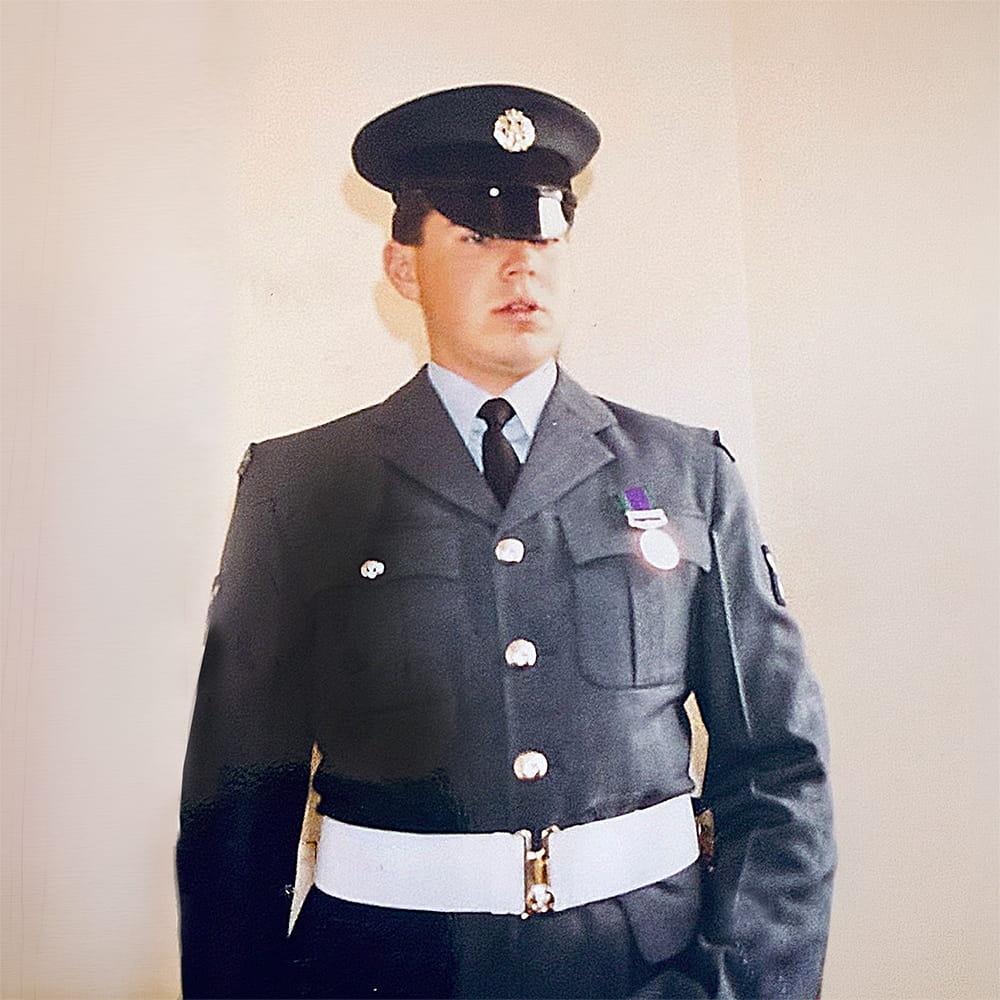
My first deployment was to Northern Ireland, and over the years that followed I was fortunate to serve in a number of locations, including Germany, Cyprus and Belize. Every posting taught me something different, but all of them reinforced the same values of discipline, teamwork and service.

A man in a formal military uniform with a cap, dark jacket, light blue shirt, and white belt stands indoors against a plain light-coloured wall. He wears medals on his chest and looks slightly to the side.
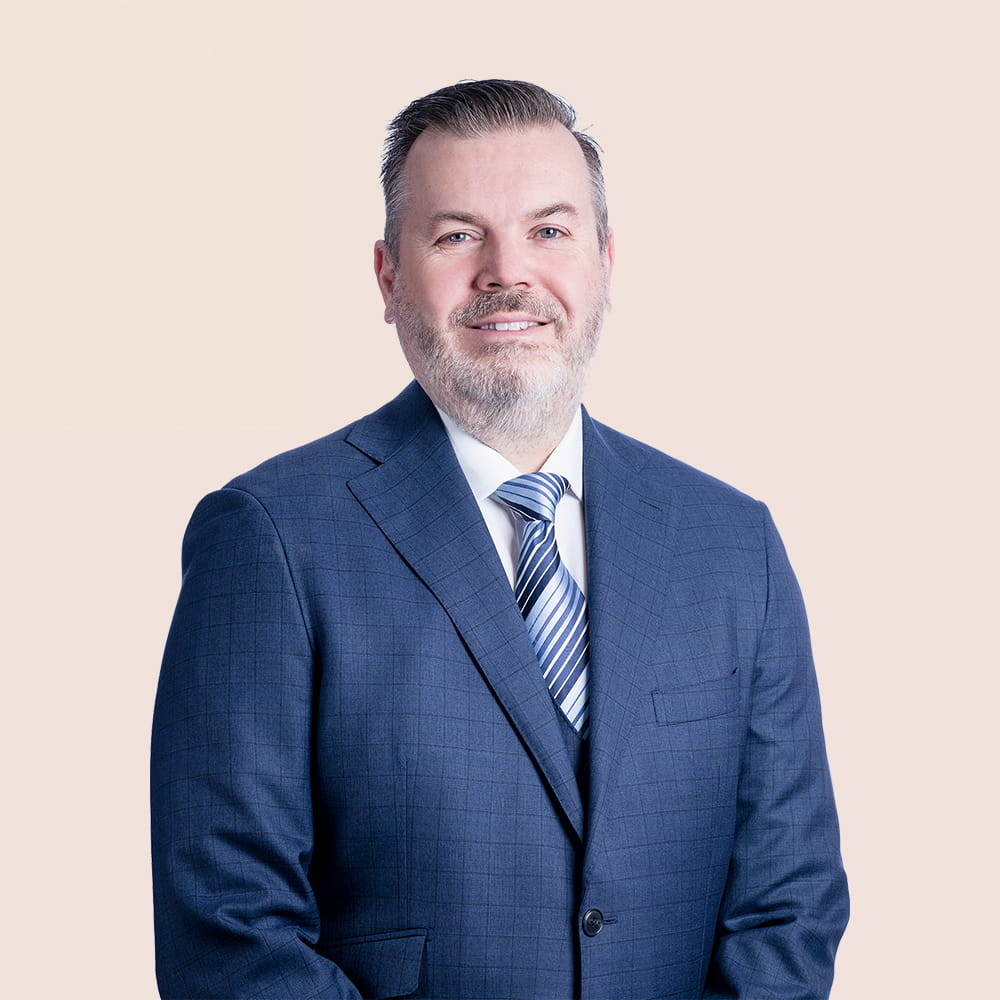
A man in a blue checked suit, white shirt, and striped tie is smiling and facing the camera against a plain light beige background.

What do you remember most from those years of service?

Without question, the camaraderie.

You build incredibly strong bonds with people.

You live together, train together, work together and, when required, face difficult situations together.

During my service, I was deployed across Northern Ireland, Germany, Cyprus and Belize, as well as serving here in the UK. Wherever you go, the fundamentals are the same.

You very quickly stop thinking as an individual and start thinking as part of a team.

Everybody comes from a different background. Different parts of the country. Different experiences. Different views on life.

But none of that really matters.

You’re united by a common purpose.

You trust each other. You look after each other. You depend on each other.

Those friendships and relationships are difficult to describe to somebody who hasn’t experienced them.

They become a huge part of who you are.

What’s the hardest thing the Forces ever asked of you?

The reality is that military service comes with responsibilities that most people never have to think about.

Whether you’re serving in Northern Ireland, deployed overseas or supporting operations closer to home, you accept that your role exists to protect others.

There are risks attached to that.

You don’t spend every day dwelling on them because you’re trained for the environment you’re operating in. Your focus is on doing your job properly and making sure the people around you are safe.

What becomes second nature is looking after the person next to you.

You learn that success is never about one individual.

It’s about the team.

That responsibility stays with you and becomes part of your character.

Many of those themes seem to have followed you into business. How much of your military experience still influences the way you lead today?

A great deal of it.

If I compare the military and business, there are actually a lot of similarities.

You’re only ever as good as the people around you.

I’ve always believed in surrounding myself with talented people who share the right values, work ethic and mindset.

Trust matters.

Character matters.

Reliability matters.

If you have those things, you can achieve remarkable results together.

I’ve carried that philosophy throughout my career.

The military also taught me discipline and organisation.

Everything has to be planned properly. Everything has to be thought through. You prepare thoroughly and then you execute.

I probably still approach many things as if they are military operations.

People who work closely with me would probably tell you that.

But preparation matters.

The better prepared you are, the better your chances of success.

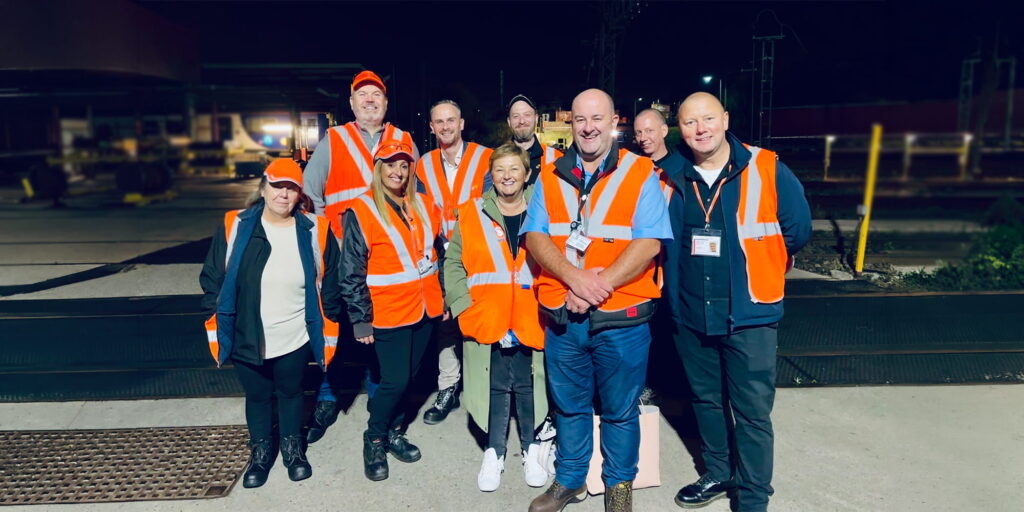
A group of ten people wearing orange safety vests and casual clothing stand together outdoors at night, smiling at the camera. Construction or railway equipment is visible in the background.

Is there anything you’ve had to unlearn?

Absolutely.

Military leadership and business leadership are not the same thing.

One of the things I’ve learned over the years is that people respond differently and require different approaches.

You can’t simply apply the same style in every situation.

I’ve had to become more adaptable and more aware of how different people think, communicate and respond.

That’s probably one of the biggest adjustments.

You still need standards. You still need accountability. You still need discipline.

But leadership is also about understanding people and bringing them with you.

I’ve become much more aware of that as I’ve grown as a leader.

You’ve spoken before about how difficult it can be leaving the Forces. Why is that transition so challenging?

For me, leaving the military was probably one of the hardest things I’ve ever done.

When you’re serving, much of your life has a structure around it.

You’re part of a team.

You know your purpose.

You know your role.

You’re surrounded by people who understand your experiences because they’re living them alongside you.

Then suddenly you’re stepping into a completely different world.

I found that incredibly difficult.

For the first year, I felt quite lost.

I missed the camaraderie. I missed the structure. I missed being surrounded by people who had shared the same experiences.

I think many veterans experience exactly the same thing.

People often focus on finding employment, which is important, but the transition is about much more than a job.

It’s about identity.

It’s about belonging.

It’s about finding a new purpose.

I came very close to returning because I missed it so much.

In the end, I decided it was time for a new chapter, but I completely understand why many former servicemen and women struggle during that period.

Every year, thousands of people make that same transition. Does that shape your thinking today?

Very much so.

Reports suggest that more than 10,000 people leave the UK Armed Forces each year.

That’s more than 10,000 people who have served their country and are looking to apply their skills in a different environment.

I think businesses have a responsibility to recognise the value those individuals bring.

Veterans arrive with qualities that are incredibly difficult to teach.

They understand teamwork.

They understand responsibility.

They understand discipline.

They understand commitment.

Many have developed technical and professional skills in highly demanding environments.

Those qualities are valuable in almost any organisation.

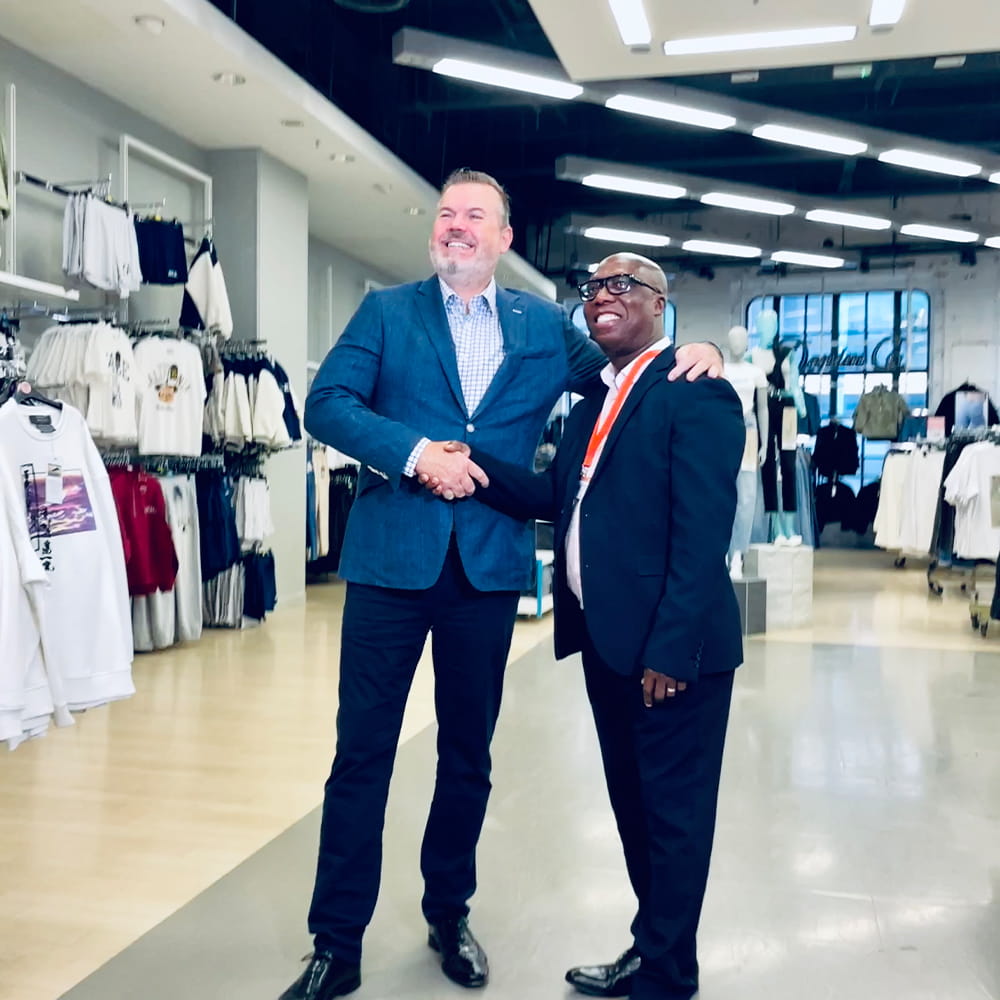
Two men in suits shake hands and smile inside a modern clothing shop. Shelves and rails of clothes are visible in the background under bright ceiling lights.
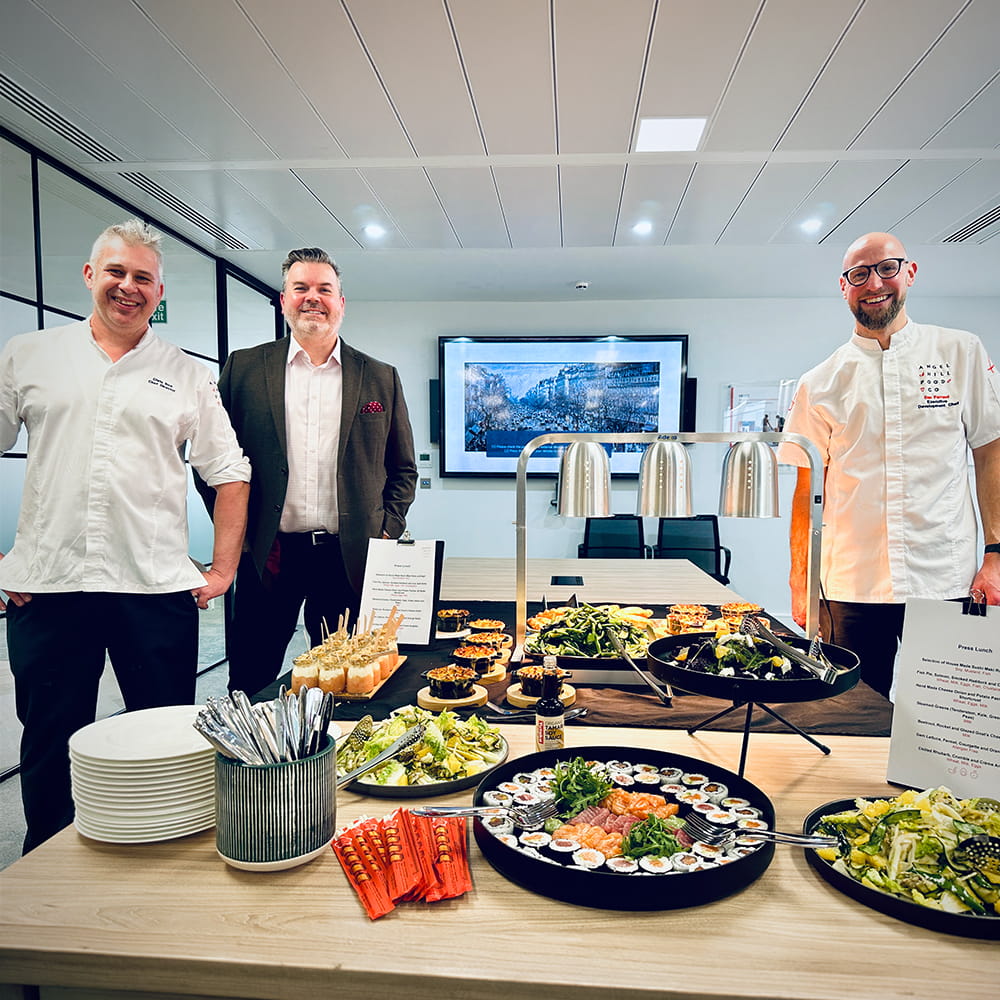
Three men stand behind a table filled with various plated dishes, including sushi, salads, and starters, in a modern, well-lit office setting. Plates, cutlery, and menus are arranged at the front of the table.

Why do you believe facilities management is such a good fit for veterans?

Because the values are closely aligned.

Facilities management is ultimately a service industry.

It’s about supporting people.

It’s about keeping organisations running.

It’s about solving problems, often before anyone else knows those problems exist.

Much of the work happens behind the scenes.

When it’s done well, people don’t always notice it.

But it is absolutely essential.

Veterans understand that mindset.

They understand responsibility.

They understand service.

They understand the importance of doing things properly, even when nobody is watching.

They also tend to be comfortable working in environments that require discipline, structure and teamwork.

Those qualities translate exceptionally well into facilities management.

Many people don’t realise just how broad the sector is. What opportunities exist for veterans?

The opportunities are enormous.

People sometimes hear the term facilities management and think of a very narrow range of roles.

The reality is completely different.

We need engineers.

We need technical specialists.

We need security professionals.

We need project managers.

We need operational leaders.

We need people working across customer experience, support services, critical environments and complex infrastructure.

Many veterans leave the Armed Forces with highly transferable skills.

Some have engineering backgrounds. Some have communications expertise. Some have logistics experience. Some have leadership experience gained in incredibly demanding circumstances.

There are opportunities for all those people.

That’s one of the things that makes the industry so attractive.

OCS has long supported veterans. Why is that commitment important to you personally?

Because I’ve walked that path myself.

I know what it feels like to leave the military and start again.

I know what it feels like to question where you fit and what comes next.

When I look at veterans, I don’t just see people looking for jobs.

I see people with enormous potential.

I see people with valuable skills, strong values and exceptional experience.

As a business, we want to create opportunities for those individuals because we know the contribution they can make.

That’s good for them, good for our customers and good for our organisation.

Most importantly, it’s the right thing to do.

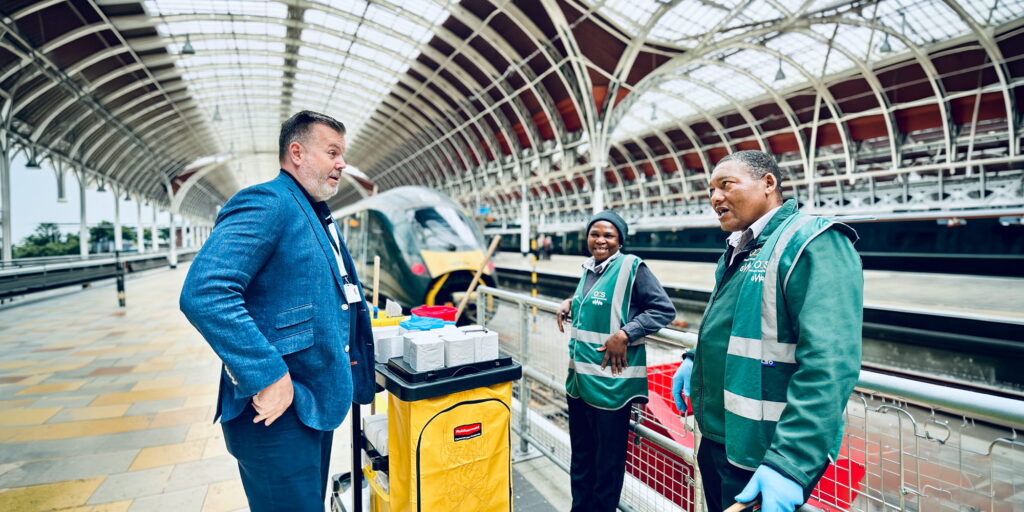
A man in a blue suit talks with two railway station workers in green vests beside a yellow cleaning trolley on a covered railway platform, with a train in the background.

Finally, what would you say to somebody currently leaving the Armed Forces and considering their next step?

I’d tell them not to underestimate what they have to offer.

The skills you’ve developed through service are valuable.

The resilience, discipline, teamwork and leadership you’ve built over the years matter.

There will be moments when the transition feels uncertain. That’s perfectly normal.

Give yourself time.

Be open to new opportunities.

Recognise that your next chapter won’t look the same as the last one, but that doesn’t mean it can’t be equally rewarding.

There are organisations and industries that genuinely value what veterans bring.

Facilities management is certainly one of them.

For those willing to embrace the opportunity, there is a chance to build a meaningful career, continue serving others in a different way and make a real difference.

And that’s something worth being excited about.

As Armed Forces Day reminds us, service doesn’t end when a uniform comes off.

The lessons, values and sense of purpose developed through military life continue long afterwards, shaping careers, organisations and communities across the country.

For Rob Legge, those lessons have never left him. Today, they continue to influence the way he leads, the way he builds teams and the opportunities he wants to create for the next generation of veterans stepping into civilian life.

Supporting Veterans Beyond Military Service

Supporting Veterans Beyond Military Service

Learn More

Share this story