

-
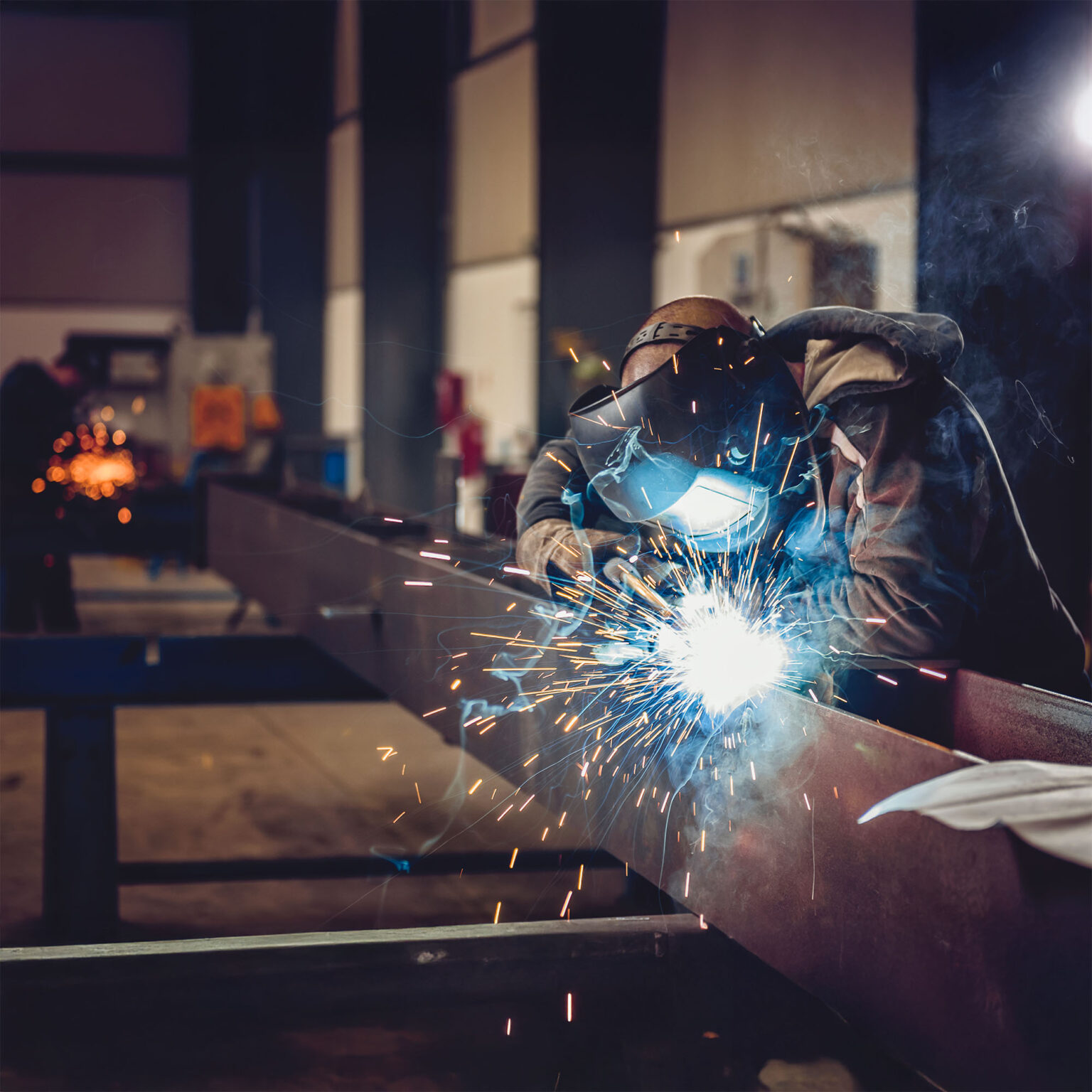
Manufacturing
Facilities Management
Safe, compliant and well-controlled environments that protect uptime, support productivity and keep operations running with confidence.
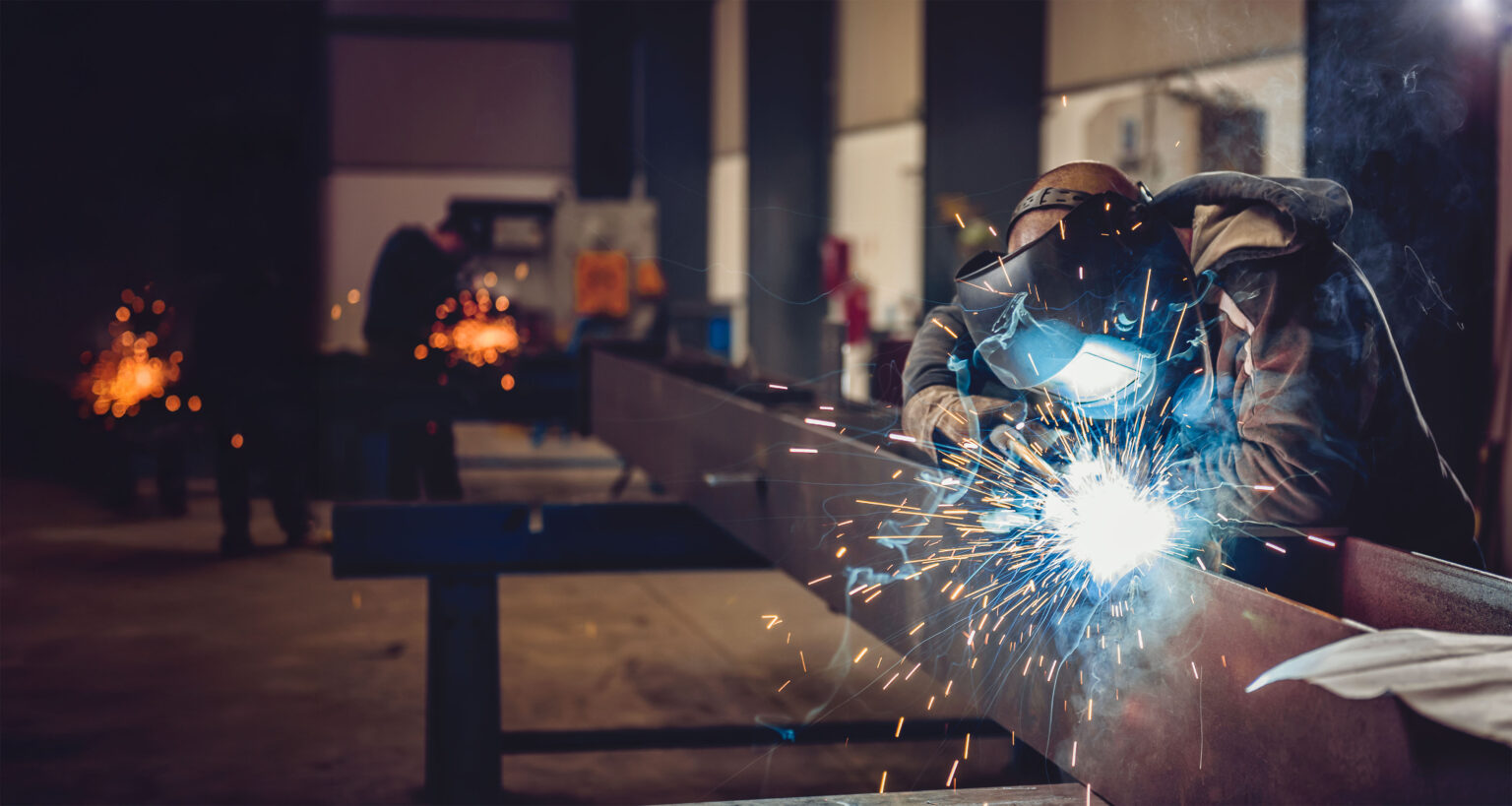
Protecting Production That Keeps Industry Moving
Manufacturing performance relies on safe environments, reliable utilities and services planned around live operations.
OCS delivers integrated facilities management for production areas, engineering spaces, warehouses and critical infrastructure. Our approach helps customers maintain compliance, protect continuity and support consistent output across the site.
Specialist Integrated FM for
Manufacturing Environments
Practical, coordinated services designed to support production, people and asset performance.
Integrated Facilities,
Reliable Operations
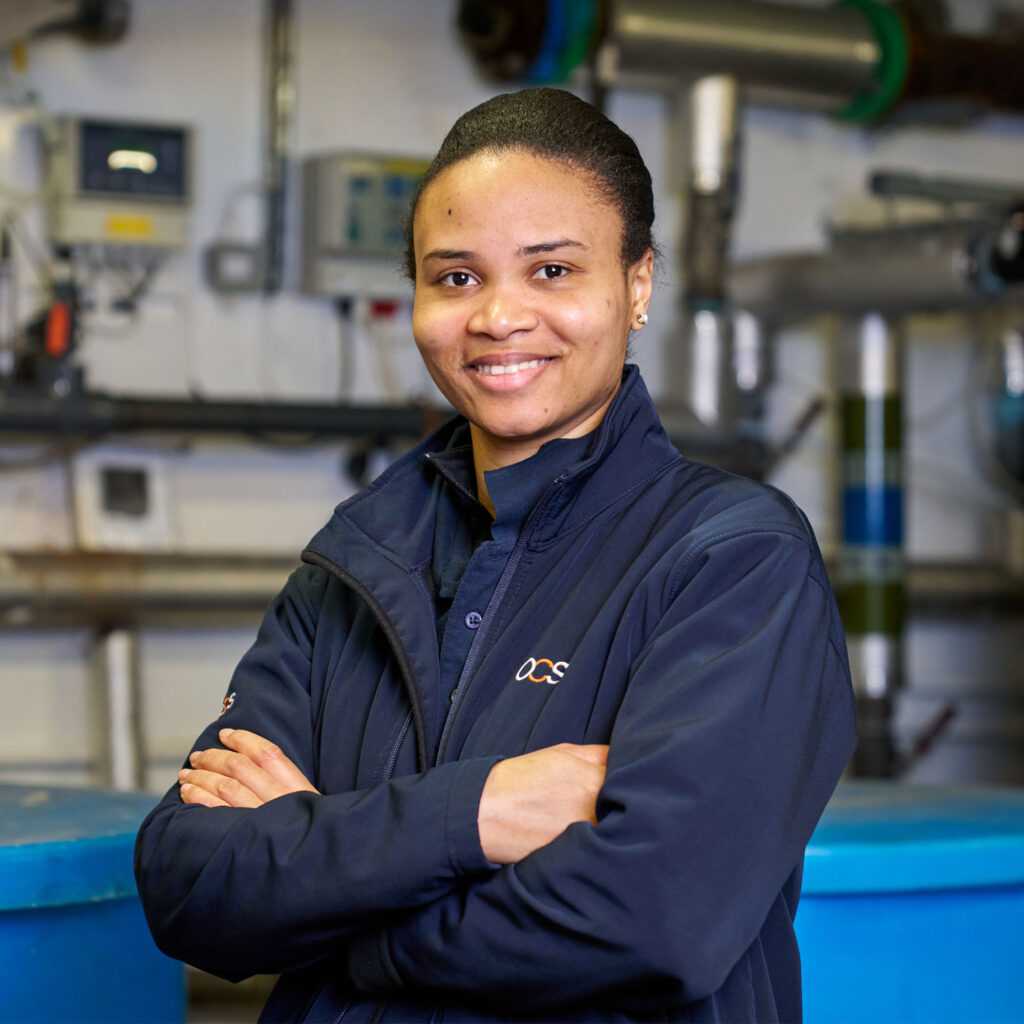
Manufacturing sites perform best when facilities services operate as one coordinated model. Our self-delivered TFM approach gives customers greater control, clearer accountability and more consistent standards across live operational environments.
- One accountable model across production, welfare and logistics areas
- Clear controls for live operations, escalation and change activity
- Planned delivery supporting continuity during shutdowns and peak periods
We help create stable environments where teams can focus on safety, quality and output.
Integrated Facilities,
Reliable Operations
Manufacturing sites perform best when facilities services operate as one coordinated model. Our self-delivered TFM approach gives customers greater control, clearer accountability and more consistent standards across live operational environments.
- One accountable model across production, welfare and logistics areas
- Clear controls for live operations, escalation and change activity
- Planned delivery supporting continuity during shutdowns and peak periods
We help create stable environments where teams can focus on safety, quality and output.
Engineering That
Protects Uptime
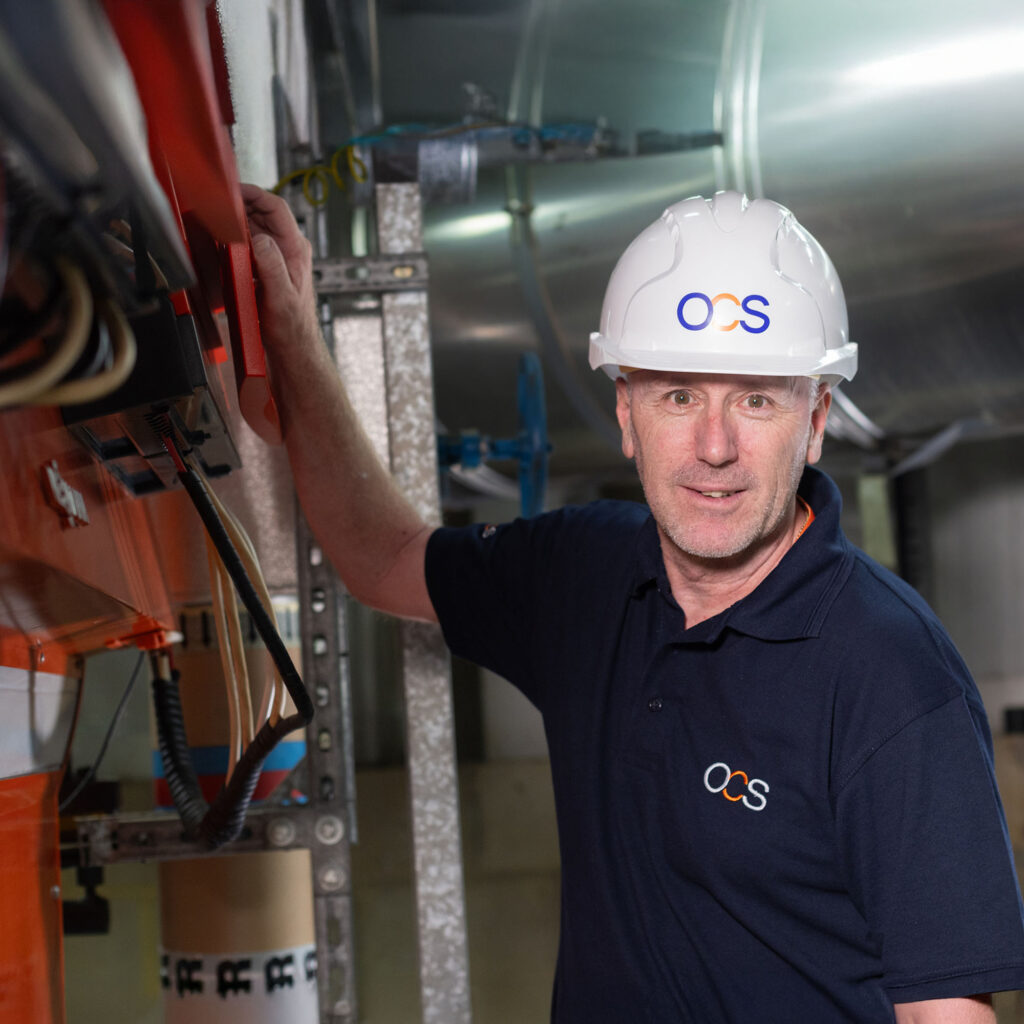
Mechanical and electrical systems are central to manufacturing performance. Our engineers maintain critical plant and building infrastructure with a focus on continuity, compliance and operational excellence.
- Planned and reactive maintenance for plant, utilities and infrastructure supporting production.
- Testing, reporting and statutory documentation aligned to site and audit requirements.
- Lifecycle planning and asset insight that strengthen resilience and cost predictability.
We help keep infrastructure dependable, efficient and ready to perform.
Engineering That
Protects Uptime
Mechanical and electrical systems are central to manufacturing performance. Our engineers maintain critical plant and building infrastructure with a focus on continuity, compliance and operational excellence.
- Planned and reactive maintenance for plant, utilities and infrastructure supporting production.
- Testing, reporting and statutory documentation aligned to site and audit requirements.
- Lifecycle planning and asset insight that strengthen resilience and cost predictability.
We help keep infrastructure dependable, efficient and ready to perform.
Industrial Environments,
Consistent Standards
Manufacturing sites need cleaning and waste controls that reflect the realities of production, technical and hygiene-critical environments. Our approach supports safe, controlled and well-managed workplaces.
- Industrial cleaning methods designed to mitigate live operational risk.
- Hygiene and site control procedures for zoning, traffic flow and waste handling.
- Evidence-led Delivery: Supervisory checks and reporting that support site standards and demonstrate consistent completion.
We help maintain workplaces that feel safe, clean and ready to perform.
Industrial Environments,
Consistent Standards
Manufacturing sites need cleaning and waste controls that reflect the realities of production, technical and hygiene-critical environments. Our approach supports safe, controlled and well-managed workplaces.
- Industrial cleaning methods designed to mitigate live operational risk.
- Hygiene and site control procedures for zoning, traffic flow and waste handling.
- Evidence-led Delivery: Supervisory checks and reporting that support site standards and demonstrate consistent completion.
We help maintain workplaces that feel safe, clean and ready to perform.
Efficient, Resilient and
Ready for Change
Manufacturers face continued pressure on energy demand, cost volatility and carbon reduction. We help customers improve utility performance, reduce waste and prioritise action with measurable operational value.
- Monitoring and review that improve visibility, control and prioritisation.
- Practical action for carbon and resource reduction, emissions and efficiency improvements
- Smarter systems that optimise utilities, controls and maintenance to improve resilience
Our Energy Services team supports support measurable progress on efficiency, sustainability and cost control.
Efficient, Resilient and
Ready for Change
Manufacturers face continued pressure on energy demand, cost volatility and carbon reduction. We help customers improve utility performance, reduce waste and prioritise action with measurable operational value.
- Monitoring and review that improve visibility, control and prioritisation.
- Practical action for carbon and resource reduction, emissions and efficiency improvements
- Smarter systems that optimise utilities, controls and maintenance to improve resilience
Our Energy Services team supports support measurable progress on efficiency, sustainability and cost control.

Safe People, Safe Assets
Manufacturing sites often operate with heightened risk profiles, from high-value stock and plant to regulated or hazardous processes, potentially operating within high-hazard or explosive-atmosphere controls, such as COMAH and DSEAR/ATEX requirements.
- Trained colleagues supporting safe, consistent operations across the site.
- Access control and zoning aligned to site risk and operational flow.
- A people-focused approach that protects without disrupting day-to-day work.
Our security teams support safe operations with a calm, professional presence, maintaining control and confidence.
Safe People, Safe Assets
Manufacturing sites often operate with heightened risk profiles, from high-value stock and plant to regulated or hazardous processes, potentially operating within high-hazard or explosive-atmosphere controls, such as COMAH and DSEAR/ATEX requirements.
- Trained colleagues supporting safe, consistent operations across the site.
- Access control and zoning aligned to site risk and operational flow.
- A people-focused approach that protects without disrupting day-to-day work.
Our security teams support safe operations with a calm, professional presence, maintaining control and confidence.
Supporting the Entire Manufacturing Lifecycle
Facilities services aligned to manufacturing priorities, supporting compliance, reliability and controlled change.
Connect with our Team-
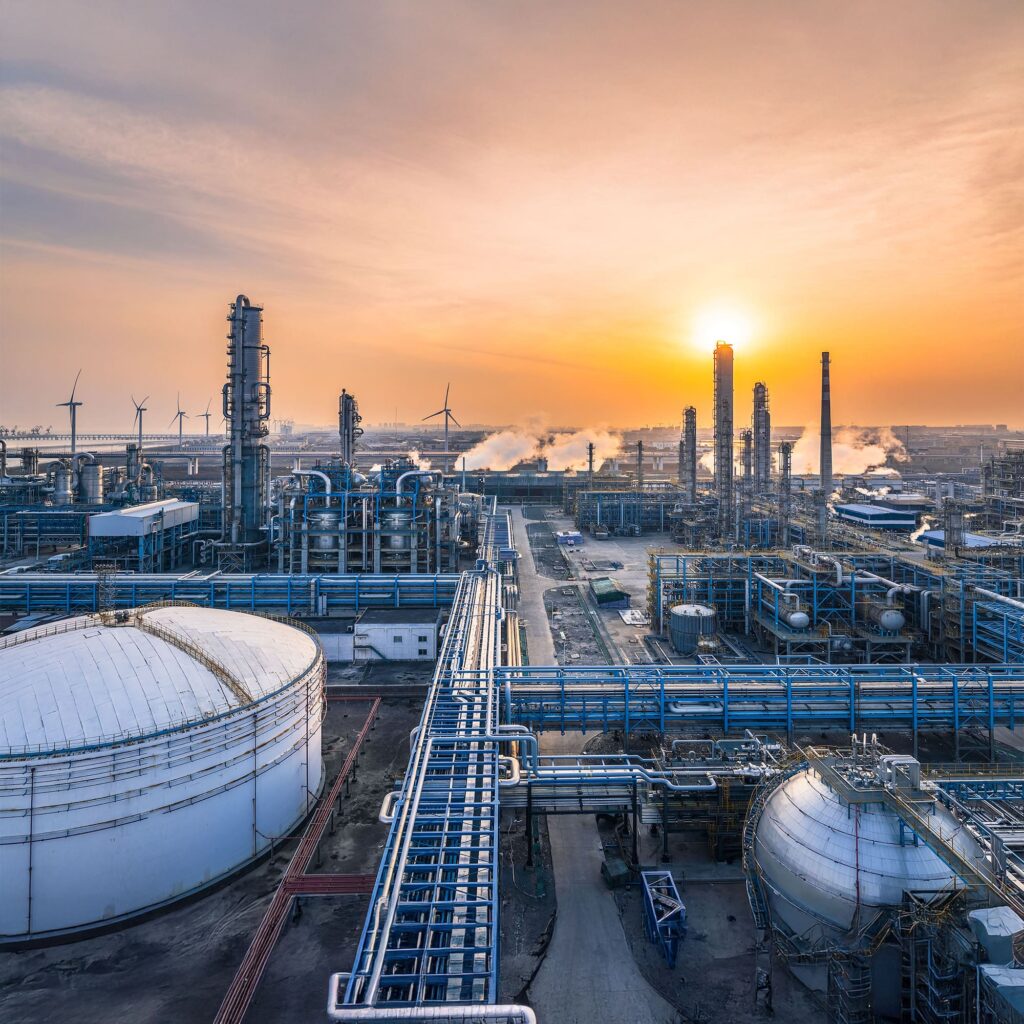
Assured Compliance for Operational Sites
Manufacturing relies on safe, compliant facilities. We support compliance planning, documentation and reporting to help sites remain audit ready across estates and critical assets.
-
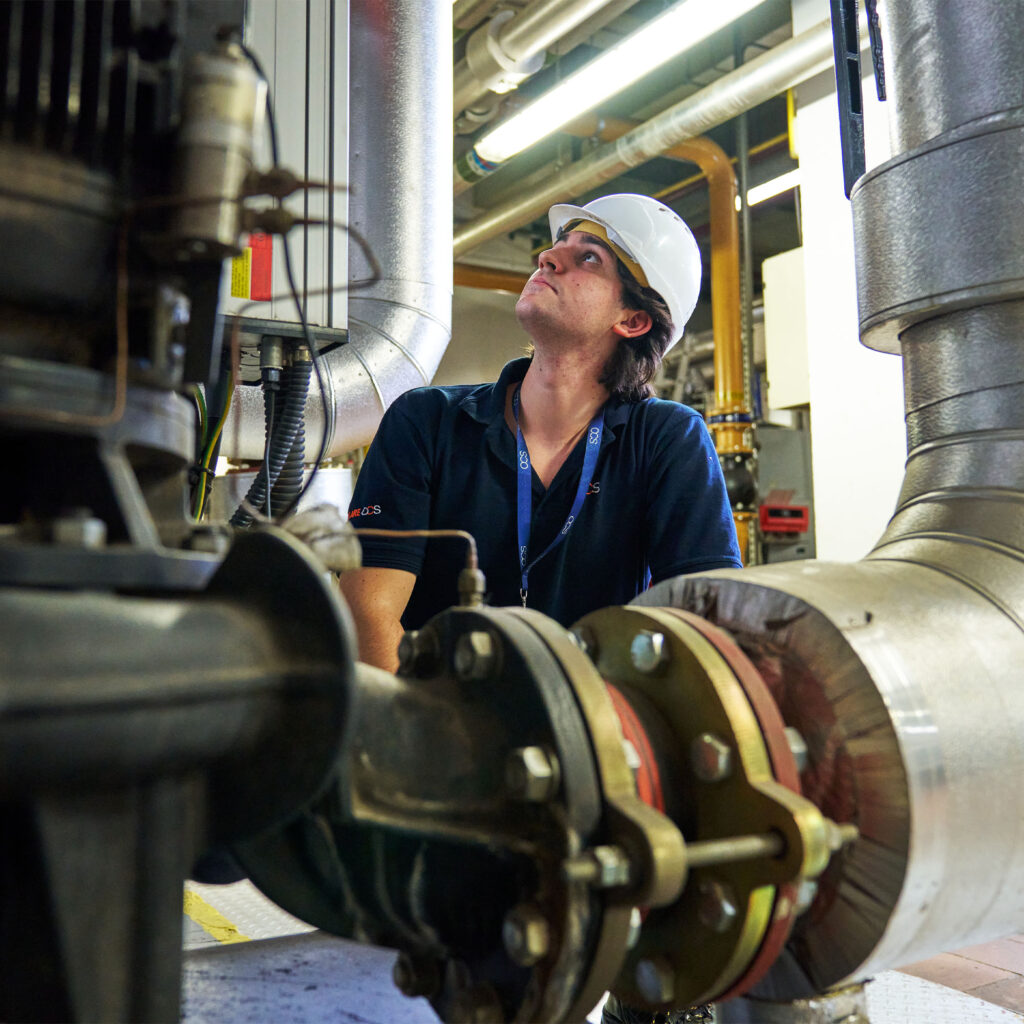
Protecting Uptime Through Maintenance
Reliable production depends on effective maintenance. We coordinate preventative programmes, planned scheduling and asset priorities to reduce avoidable downtime over time.
-
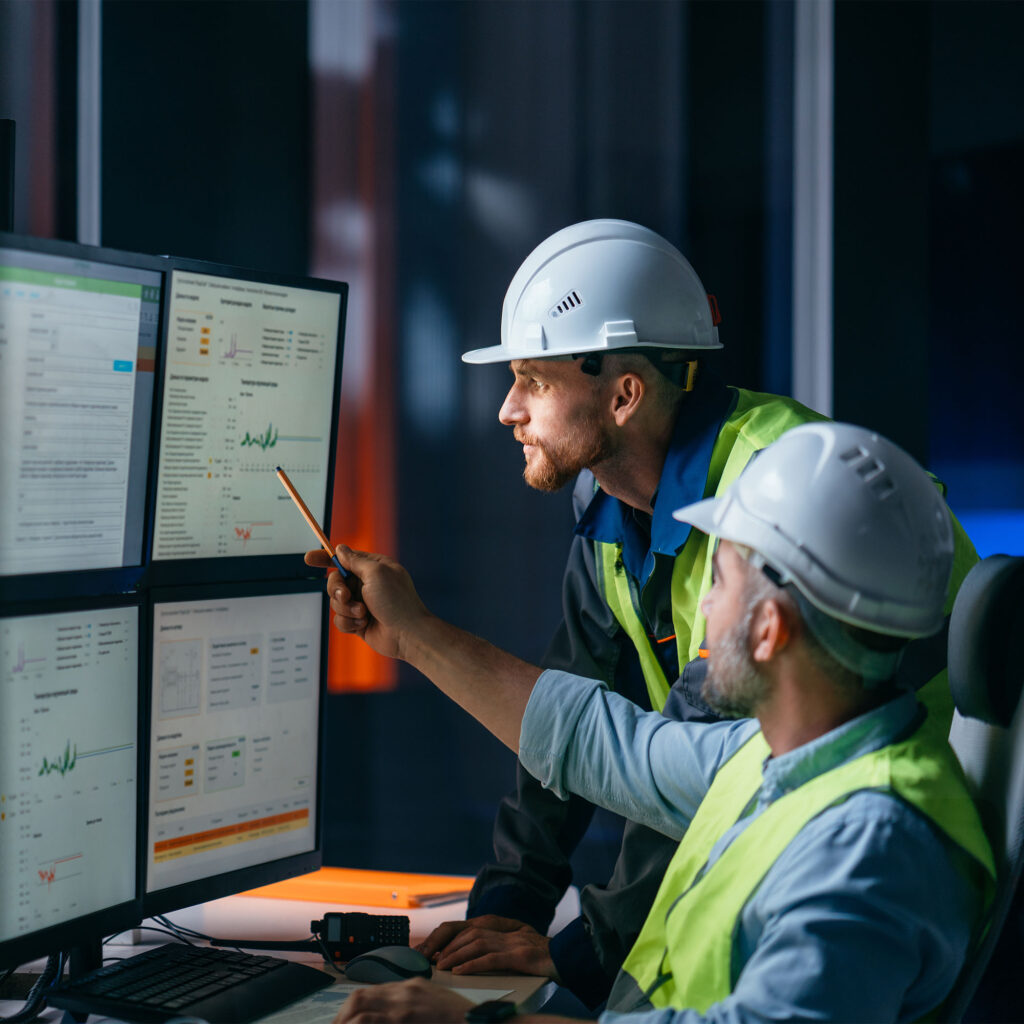
Transparent Budgets and Lifecycle Planning
Sound investment decisions need clear insight. We support lifecycle planning through asset condition data, prioritised investment options and transparent cost reporting.
-
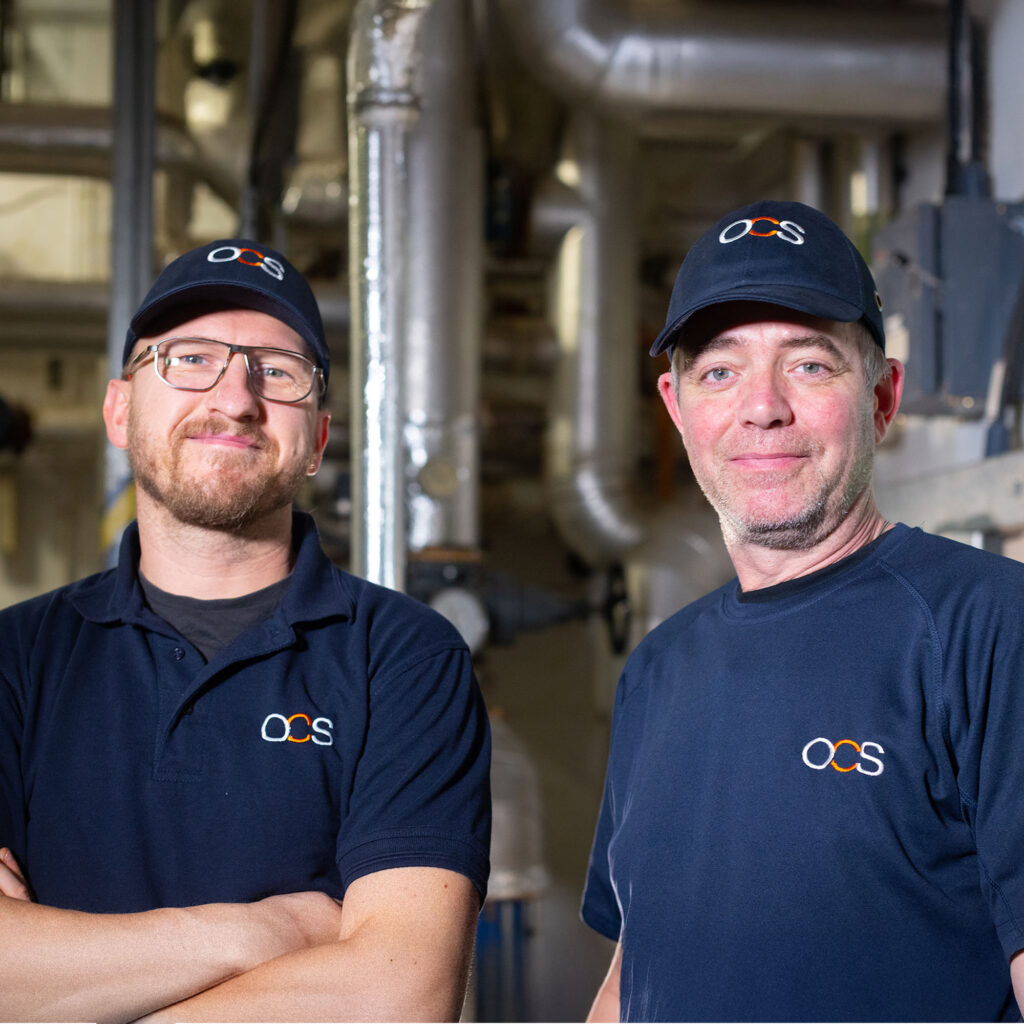
Shutdown, Change and Project Support
Manufacturing shutdowns require discipline and control. We plan activity carefully, coordinate with production teams and support safe transition back to operations.
Manufacturing BEST Service Excellence
Every action planned around safer operations, stronger continuity and more consistent manufacturing performance.
Connect with our Team-
Manufacturing environments rely on disciplined control of work activities to protect people, plant and production. Documented safe systems of work underpin all delivery, including permit-to-work, lock-out tag-out (LOTO), isolation procedures and task-specific RAMS.
Colleagues operate within defined controls for hot works, confined spaces, working at height and interaction with live plant. Interfaces between FM activity and production are tightly managed through toolbox talks, shift handovers and change control, reducing the risk of unplanned disruption.
Where applicable, controls align to DSEAR and ATEX requirements, with structured management of ignition sources, chemical storage, waste handling and housekeeping standards. These controls support EHS governance and consistent audit readiness across sites.
Outcome: Safe, controlled delivery that protects people, plant and production in live industrial environments.
-
Manufacturing productivity depends on the availability of plant, utilities and supporting infrastructure. Facilities services are planned around production schedules, takt time and critical process windows to minimise interference with output.
Planned maintenance is coordinated with engineering and operations teams, including alignment to shutdowns, SMED activity and line changeovers. Condition-based maintenance supports early identification of failure risks by monitoring asset health, utilities performance and alarms.
CAFM systems maintain asset hierarchies, maintenance histories and statutory records, supporting better planning and prioritisation. Visual management, 5S standards and clearly defined engineering zones support efficient working across shared spaces.
Outcome: More predictable uptime, fewer unplanned stoppages and facilities services that support production flow rather than disrupt it.
-
Manufacturing sites must continue operating despite asset failure, utility instability or external disruption. Business continuity planning and risk assessments focus on critical production dependencies, including power quality, compressed air, steam, chilled water and environmental controls.
Redundancy strategies, emergency response plans and recovery procedures support rapid stabilisation after incidents. Shutdowns, restarts and emergency interventions follow documented processes to ensure safe handback to operations and prevent secondary failures.
Cross-trained engineers, on-call support and specialist supply chains strengthen resilience during breakdowns, peak demand and change programmes. Incident reviews and root-cause analysis feed continuous improvement.
Outcome: Faster recovery from disruption, reduced production loss and greater operational confidence under pressure.
-
Manufacturing sites must continue operating despite asset failure, utility instability or external disruption. Business continuity planning and risk assessments focus on critical production dependencies, including power quality, compressed air, steam, chilled water and environmental controls.
Redundancy strategies, emergency response plans and recovery procedures support rapid stabilisation after incidents. Shutdowns, restarts and emergency interventions follow documented processes to ensure a safe handover to operations and prevent secondary failures.
Cross-trained engineers, on-call support and specialist supply chains strengthen resilience during breakdowns, peak demand and change programmes. Incident reviews and root-cause analysis feed continuous improvement.
Outcome: Faster recovery from disruption, reduced production loss and greater operational confidence under pressure.
-
Facilities performance in manufacturing is not an end in itself. It directly affects production stability, workforce efficiency and cost control.
Our approach to manufacturing facilities management helps customers achieve:
More consistent production: Stable utilities, reliable assets and controlled work activity reduce variation, unplanned stoppages and start-up losses, supporting consistent output shift to shift.
Higher productivity: Planned maintenance aligned to production schedules reduces disruption, allowing people, plant and lines to operate at intended capacity for longer.
Reduced downtime and faster recovery: Condition-based maintenance, clear escalation and disciplined recovery processes shorten outages and limit knock-on impacts to throughput and delivery.
Safer operations and stronger EHS performance: Controlled systems of work, LOTO discipline and clear site standards reduce incident risk, support compliance and protect workforce availability.
Lower operational cost and energy intensity: Improved asset efficiency, reduced waste and better energy control help stabilise operating costs without compromising output or safety.
Greater confidence in day-to-day operations: Predictable facilities performance gives operations and engineering teams confidence to plan, improve and invest.
Outcome: Manufacturing environments that operate more consistently, produce more reliably and support sustained productivity across complex estates.
Proven, Trusted, Accredited
Our manufacturing teams work to site procedures, including safe systems of work, permit-to-work disciplines, and clear escalation. Where environments involve higher hazard controls, we support customers operating within established regulatory frameworks such as COMAH and DSEAR/ATEX, including the need for disciplined maintenance, inspection and control of ignition sources.
Discover Our Latest Manufacturing
Updates and Projects
-
 Energy Services | Facilities Management
Smart Buildings, Energy Performance and the Role of Facilities Management
OCS Team
11 Mar, 2026
Read more -
 Energy Services | Our People
The People Behind the Power: Mishka Scott, Energy Engineer
OCS Team
06 Mar, 2026
Read more -
 Energy Services | Facilities Management
Facilities Management Holds the Key to Energy Efficiency and the Energy Transition
By Graeme Hamilton, Managing Director – Energy, OCS
05 Mar, 2026
Read more -
industry news | Security
Custodians of Change: Why UK Security Needs Collective Leadership Now
OCS Team
26 Feb, 2026
Read more -
 Careers | Community
Creating Opportunity Where it Matters Most
OCS Team
25 Feb, 2026
Read more -
 Energy Services | Facilities Management
OCS Energy Services: Turning Energy Strategy into Operational Delivery
Graeme Hamilton – Managing Director – Energy, OCS UK & Ireland
16 Feb, 2026
Read more
Unlock Consistent Performance Across Every Site
Partner with a team built to support manufacturing operations, protect uptime and maintain safe, reliable working environments.
Frequently Asked Questions
-
Facilities management is integrated directly into production planning rather than operating as a parallel function. Services are aligned to shift patterns, takt time, critical process windows and shutdown schedules, with daily coordination between FM, engineering and operations teams. This ensures facilities activity supports production flow rather than disrupting it.
-
Risk is managed through disciplined control of work, including permit to work, lock out tag out, isolation procedures and task specific RAMS. Interfaces between facilities activity and production are governed through toolbox talks, shift handovers and change control, reducing the likelihood of unplanned interruption or secondary incidents in live environments.
-
Facilities management supports compliance by maintaining statutory inspection regimes, asset records and audit ready documentation across mechanical, electrical and building systems. On higher hazard sites, controls align to established frameworks such as COMAH and DSEAR ATEX, supporting safe operation, inspection and maintenance of regulated plant and environments.
-
Maintenance prioritisation is based on asset criticality, failure consequence and production dependency. Preventative and condition based maintenance programmes focus first on utilities and plant that directly affect throughput, safety or environmental control. CAFM systems support asset hierarchies, maintenance histories and forward planning across estates.
-
Resilience planning focuses on critical dependencies such as power quality, compressed air, steam, chilled water and environmental conditions. Redundancy strategies, emergency response plans and documented restart procedures support rapid stabilisation after incidents, while incident reviews and root cause analysis drive continuous improvement.
-
Shutdown and change activity is planned through structured sequencing, stakeholder coordination and clear governance. Work is aligned to agreed shutdown windows, SMED activity and line changeovers, with defined handover and restart controls to ensure assets are returned safely to operations without introducing new failure modes.
-
Industrial cleaning supports safety and productivity by maintaining clear work areas, managing waste streams and supporting hygiene and housekeeping standards appropriate to the process. Zoning, segregation and traffic controls reduce cross contamination and risk, while evidence led supervision supports consistent delivery in live environments.
-
Facilities management provides asset condition insight, lifecycle planning and transparent reporting on cost drivers. This supports informed investment decisions, prioritised capital planning and reduced reactive spend. Energy and resource efficiency measures further stabilise operating costs without compromising production or safety.