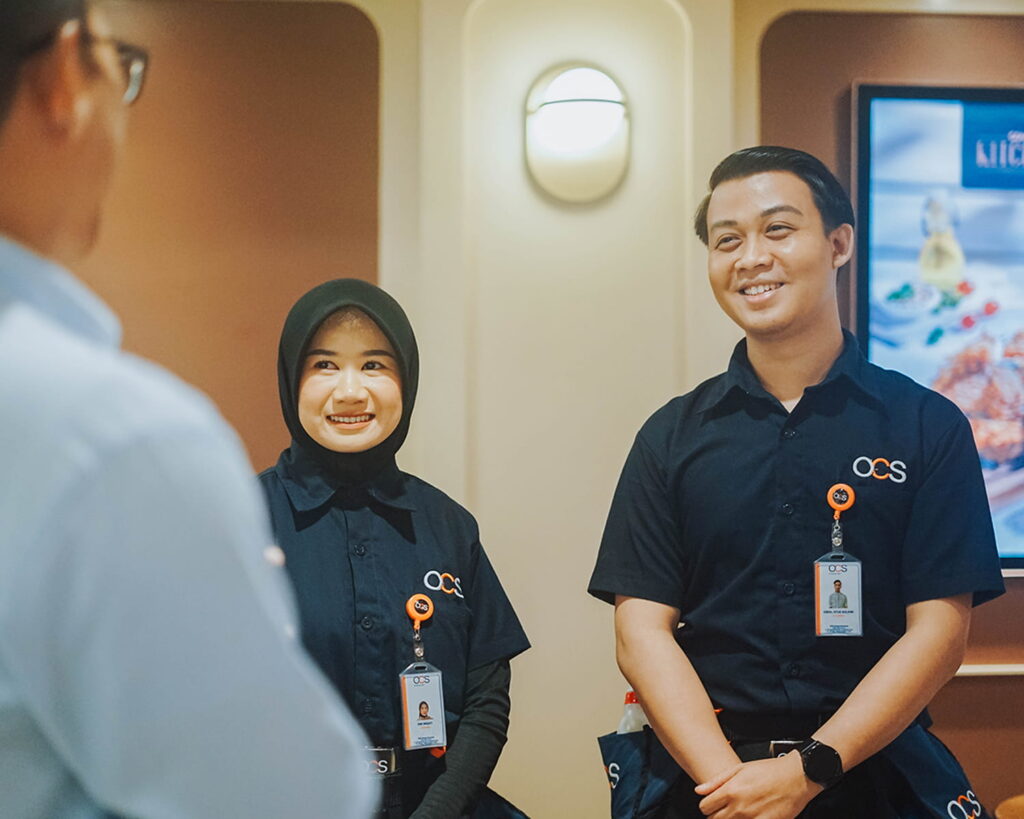
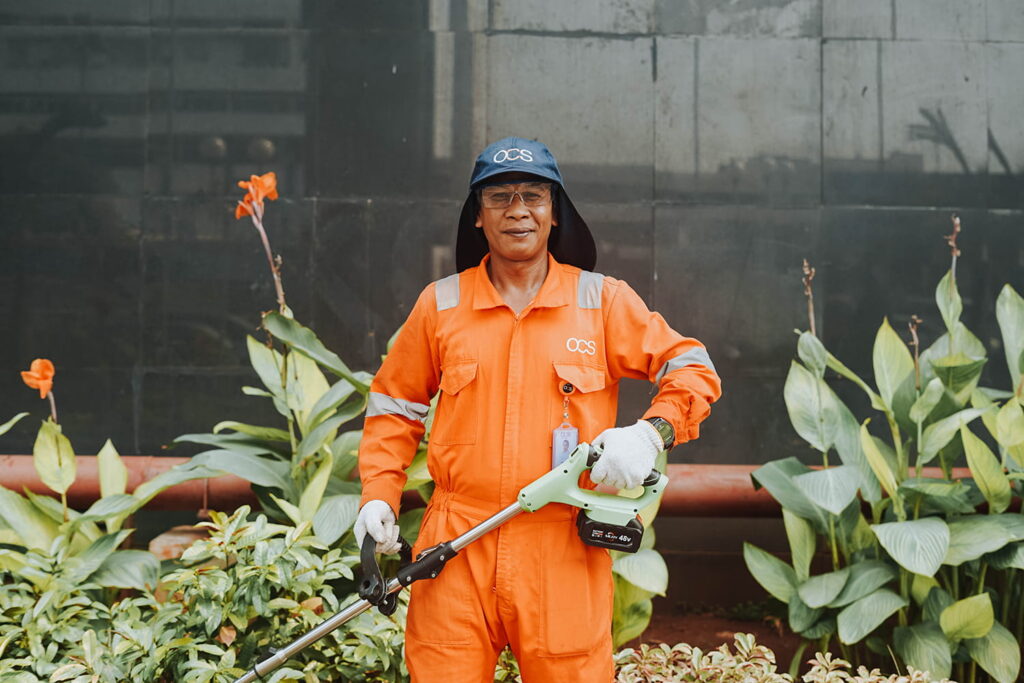
How everyday actions to protect people, improve standards and strengthen systems can make a lasting difference to organisational resilience.
Resilience Starts with Everyday Practice
In any organisation, resilience starts with people. When colleagues feel safe, supported and equipped to act, businesses are better able to adapt, respond and keep moving. That is why QHSE plays such an important role in building resilience that lasts.
At its core, QHSE is about more than compliance. It is about creating the conditions for people to work well, make good decisions and take the right action at the right time. Strong quality, health, safety and environmental practices help protect people and places, reduce disruption and strengthen day-to-day performance. Over time, those small actions create the confidence and consistency that resilience depends on.
That is especially important in unpredictable environments. Resilient organisations are not built only in response to major incidents. They are built every day through the way people plan, communicate, train and improve. When teams understand risks, feel empowered to speak up and know how to respond, resilience becomes part of the culture rather than a policy document on a shelf.
“Resilience is not just about how we respond when something goes wrong. It is built every day through the choices we make to protect people, improve standards and create environments where colleagues can work safely and confidently. That people-led approach is where resilience becomes real. It is built from the ground up through investment in training, clear processes, strong leadership and the tools colleagues need to work safely and effectively.”

OCS Group QHSE Officer
Connecting People, Systems and Risk
Resilience also depends on recognising that no part of a business operates in isolation.
At OCS, operations, HR and the executive leaders all interact in support of maintaining the resilience of the organisation. Whilst each plays its part from a functional perspective, numerous golden threads weave through their respective strategies and daily actions in creating and sustaining deliverables necessary for managing risk exposure.
A strong QHSE approach brings together different perspectives across the organisation, from leaders shaping strategy and operators closest to the work, to regulators defining boundaries and external thinkers helping us understand what is changing around us. That sociotechnical view matters because resilience is not created by one function alone. It grows when people, systems, risks and decisions are understood as part of a bigger whole, helping organisations spot vulnerabilities early and strengthen the areas that matter most.

Building Resilience in a Changing World
That is where systems thinking becomes so important. It helps organisations focus on the actions and controls that will have the greatest impact, understand where exposure is highest and put informed plans in place before issues escalate. It also means thinking carefully about low-likelihood, high-impact events and making sure the right checks, challenge and oversight are in place to stop gradual drift from a gradual drift into failure.
The three lines of defence approach to risk, aligned to ISO 31000 principles, supports that connected view by strengthening accountability, oversight and continuous improvement. It also matters in a world shaped by constant geopolitical change, from climate pressures to conflict and economic uncertainty, alongside the accelerating use of technology and AI. Used well, data and real-time insight can help organisations respond faster, make better decisions and build resilience with greater confidence.
“When people feel protected and empowered, resilience becomes part of how we work every day.”
OCS Group QHSE Officer
For Resilience Week, the message is clear: protecting people is one of the most powerful ways to strengthen resilience. Every safe decision, quality check and opportunity to improve contributes to something bigger. When people, systems and standards work together, resilience becomes more than a response — it becomes a lasting organisational strength.