
How the Carbon Tax Will Transform Facility Operations Across Malaysian Industries
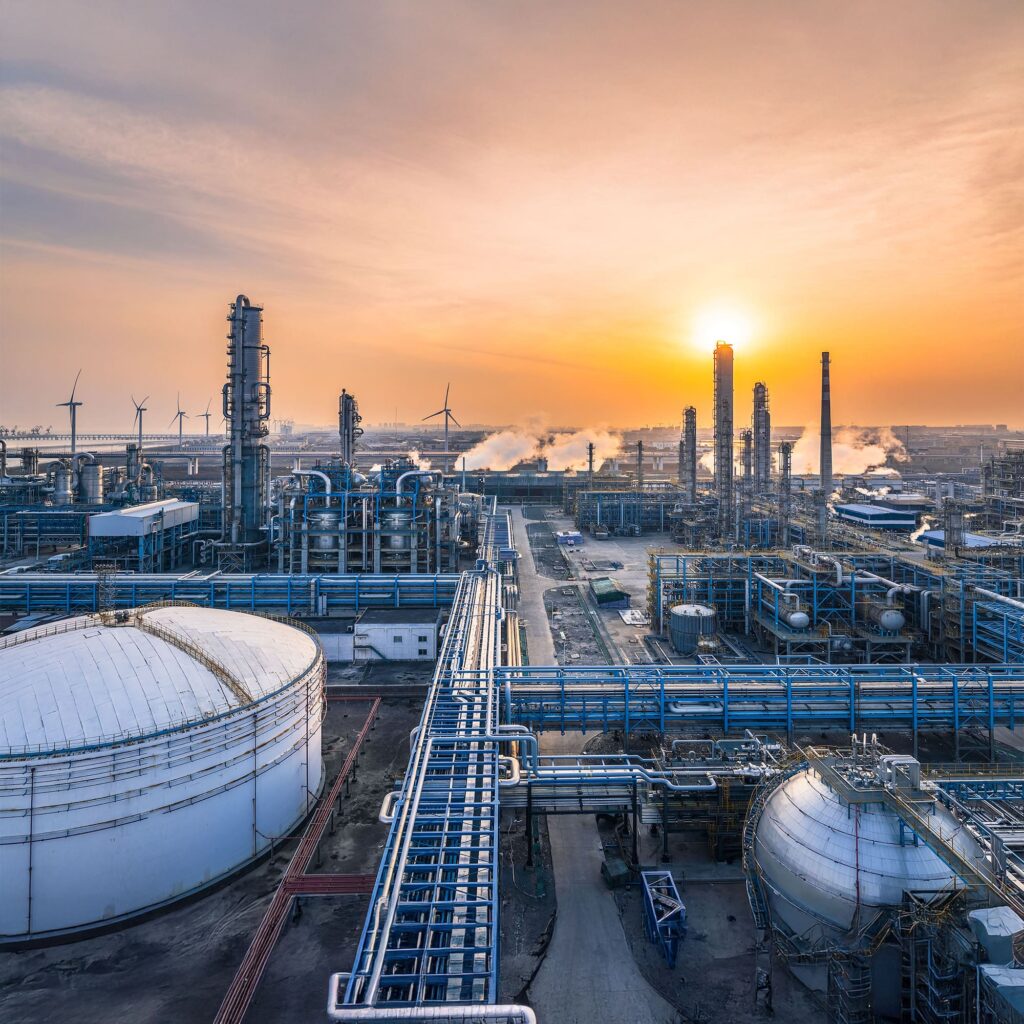
Malaysia is preparing for a major shift in 2026. The introduction of a carbon tax marks a decisive move toward a low carbon economy and sends a strong message to all high emission sectors. While the policy will begin with the iron, steel, and energy industries, it will eventually expand to other sectors such as cement, aluminium, and fertilisers. The transition will reshape how organisations operate, plan investments, and manage day to day activities.
In this new landscape, facilities management will no longer operate in the background. It will become a central driver of decarbonisation, operational stability, and financial resilience.
Carbon Tax 2026: A Turning Point for Malaysian Industry
The planned carbon tax is expected to begin at about RM15 per tonne of carbon dioxide equivalent, though the final rate is still under review. It will be introduced together with the rationalisation of fossil fuel subsidies to encourage cleaner energy use and responsible consumption. The tax aligns with the National Carbon Market Policy and the upcoming Climate Change Act, setting the foundation for long term environmental accountability.
While revenue generation is a natural outcome, the purpose of this tax is clear. It is meant to accelerate industrial decarbonisation and push organisations to adopt cleaner technologies and more efficient operations.
Even though utilities may pass some of the cost on to consumers through the existing incentive-based regulation framework, the government is expected to shield low usage and domestic consumers from a heavy burden.
For businesses, however, the impact will be direct. Every tonne of carbon matters. Every inefficiency carries a price. This is where facilities management steps into a new leadership role.
“As Malaysia moves toward a low carbon future, organisations will feel increasing pressure to manage energy use and operational efficiency more responsibly. At OCS, we are ready to support our customers with practical and realistic facility management solutions that help ease the impact of the carbon tax. Our focus is on smart maintenance, efficient asset performance and sustainable building practices that deliver real savings without disrupting daily operations.”
Roisin Quinn
Managing Director of OCS Malaysia

Facilities Management Becomes a Strategic Partner in Decarbonisation
As a result of the carbon tax, the industries most affected are highly energy intensive. They operate large plants, complex infrastructure, and high-consumption assets that require continuous support. Against this backdrop, facilities management brings the operational reach and technical insight needed to help organisations reduce emissions and optimise entire operational ecosystems.
Energy Efficiency as a Primary Business Priority
Once the carbon tax takes effect, the cost of wasted energy becomes a financial liability. Facilities management teams can reduce this burden by:
- Optimising energy use across buildings, assets, and production support systems.
- Upgrading to efficient equipment and building controls.
- Implementing real time monitoring and analytics that identify hidden waste.
- Reconfiguring asset schedules to align with demand.
- Advising on renewable options where feasible.
Even a small reduction in energy intensity can translate into measurable savings once the tax is active.
Digitalisation and Automation Strengthen Compliance
Digital tools now track consumption, measure performance, and report emissions with far greater accuracy. In 2026, these tools will not be optional. They will be essential for carbon reporting.
Facilities management will lead this shift by deploying:
- Smart sensors that track energy and environmental conditions.
- Automated systems that regulate lighting, cooling, and equipment performance.
- Centralised platforms that unify multiple operations into one reliable dashboard.
- Predictive maintenance that cuts unnecessary downtime and energy loss.
These solutions create transparency, improve accountability, and prepare organisations for stricter audit requirements.
Integrated Platforms Support Smarter and Cleaner Operations
Businesses increasingly manage diverse operations that include maintenance, safety, security, cleaning, and sustainability performance. In 2026, integrated facility platforms will bring these functions together into a single decision-making environment.
This approach allows leaders to:
- See how different operations influence carbon output.
- Direct resources to areas with the greatest reduction potential.
- Align operational plans with organisational sustainability goals.
- Create a coordinated pathway to compliance with the National Carbon Market Policy.
Integrated facility management turns fragmented tasks into a unified sustainability strategy.
Waste Reduction Becomes a Measure of Operational Excellence
With the carbon tax and subsidy rationalisation in place, many organisations will relook at waste in all forms. Water, fuel, chemicals, and materials now have both environmental and financial implications.
Facilities management can guide this shift by improving waste segregation, strengthening recycling programmes, reducing the use of resource heavy equipment, and adopting greener cleaning solutions. These adjustments support organisational goals while improving the overall environment for employees.
Why Facilities Management Matters Now More Than Ever
The move toward a national carbon tax is not just a regulatory event. It is the beginning of a fundamental change in how Malaysian industries operate.
Facilities management brings together the right combination of operational expertise, engineering capability and on ground knowledge to help organisations respond with confidence.
In 2026, FM will be pivotal because it can:
- Reduce the direct carbon footprint of buildings and operational assets.
- Strengthen compliance through accurate tracking and reporting.
- Create sustainable cost savings by cutting waste and improving efficiency.
- Support the transition to cleaner energy systems.
- Ensure continuity and safety during operational changes.
- Help organisations stay competitive as carbon related expectations grow.
This is no longer about maintaining facilities. It is about driving performance, resilience, and environmental responsibility in a changing economic landscape.
“As the carbon tax becomes a reality, many organisations are rethinking the way they manage energy, assets, and daily operations. From a sustainability standpoint, this is an opportunity to build smarter and more responsible practices. We are committed to guide our customers with solutions that reduce environmental impact while controlling long term cost. Our approach focuses on efficient systems, preventive maintenance and data led insights that help businesses stay compliant, resilient, and committed to a greener future.”
Kelvin Kong
Business Development Director of OCS Malaysia
Looking Ahead
Malaysia’s carbon tax in 2026 will reshape industrial behaviour and raise expectations across commercial operations. Organisations that act early and invest in smarter facility management will gain an advantage. They will reduce exposure to rising carbon costs, improve energy performance and build a stronger foundation for long term sustainability.
As a partner that understands both operational realities and sustainability goals, OCS Malaysia stands ready to support businesses through this transition. The path to a low carbon future begins with the way we manage our buildings, our assets, and our daily operations. In 2026, facilities management will be the engine that turns national policy into real and measurable progress.