Sustainability inside everyday service delivery
Healthcare is one of the most demanding environments for service delivery. Catering, cleaning, security and technical operations all need to work in step with clinical care, regulation and patient experience.
That is also why it is a meaningful place to embed sustainability.
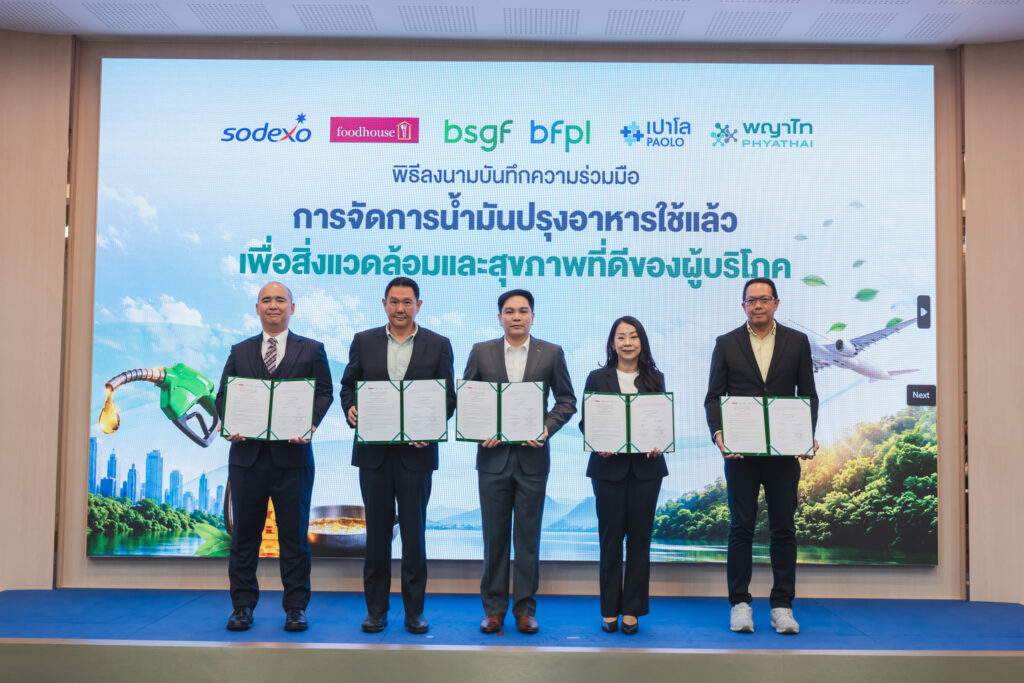
When environmental practices are built into how services are delivered every day, they are easier to maintain, measure and improve over time. The MOU sits within that thinking. It is not a campaign or a commitment. It is a structured operational change, with outcomes that can be tracked.
Why partnerships matter more than promises
Environmental progress in sectors like aviation, healthcare and food services rarely sits with one organisation. It depends on different parts of the system working together.
The value of this agreement lies in how it joins those parts up. A hospital network, a catering business and an energy group, each with their own pressures and priorities, finding a shared way forward.
This kind of collaboration is becoming a defining feature of credible sustainability work.
A small change with wider relevance
The principles behind this agreement are not limited to one network or one country. Healthcare, aviation, education, manufacturing and commercial environments all generate waste streams that can be managed in similar ways.
As more organisations look for practical ways to support their environmental and regulatory commitments, the question is shifting. It is no longer whether sustainability can be built into operations, but how consistently it can be done across sectors and geographies.
The PCS, Foodhouse, Bangchak and Phyathai–Paolo Hospital Network agreement is one answer to that question. A modest, structured step, with wider implications for how the food services and facilities management sectors contribute to the transition to a lower-carbon economy.