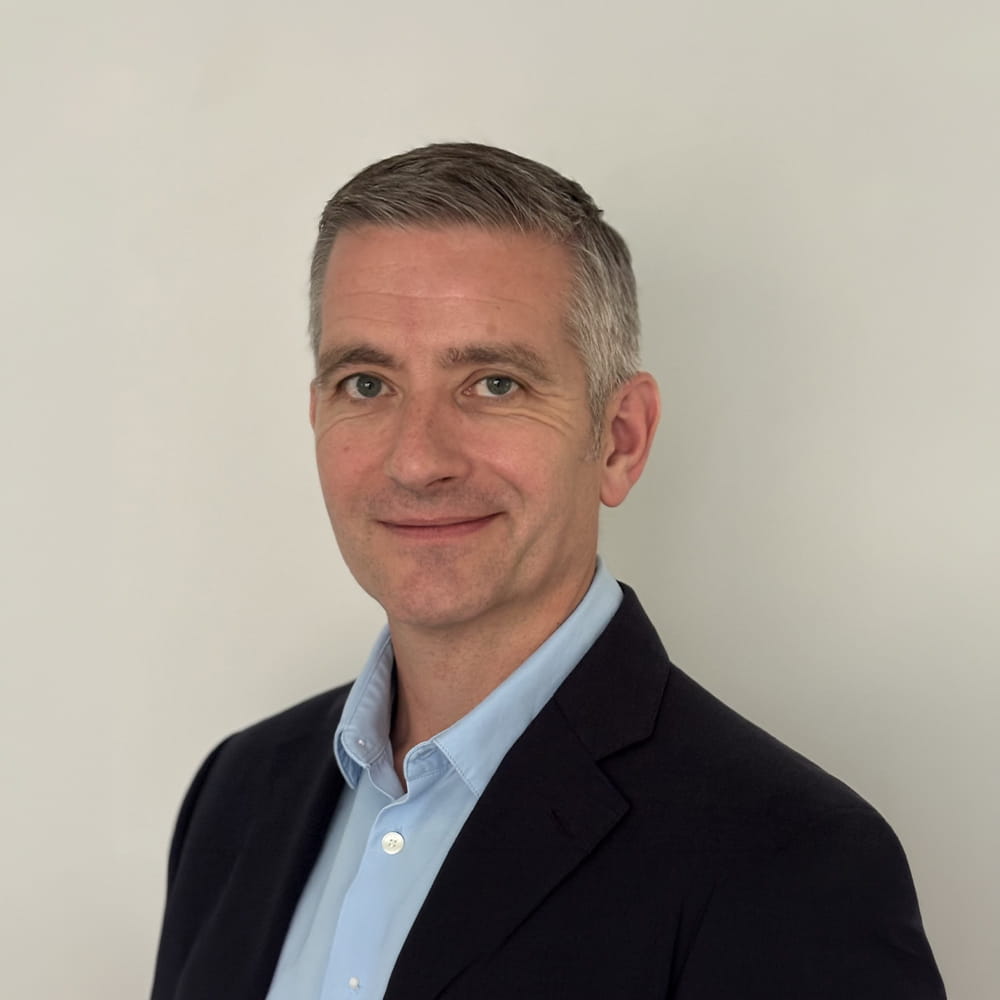
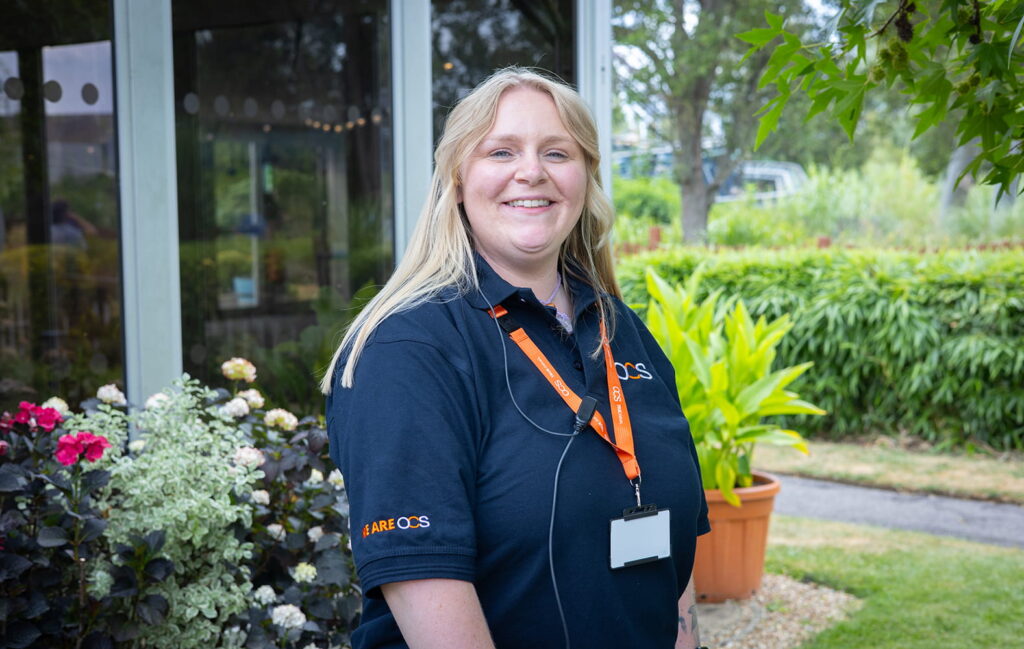
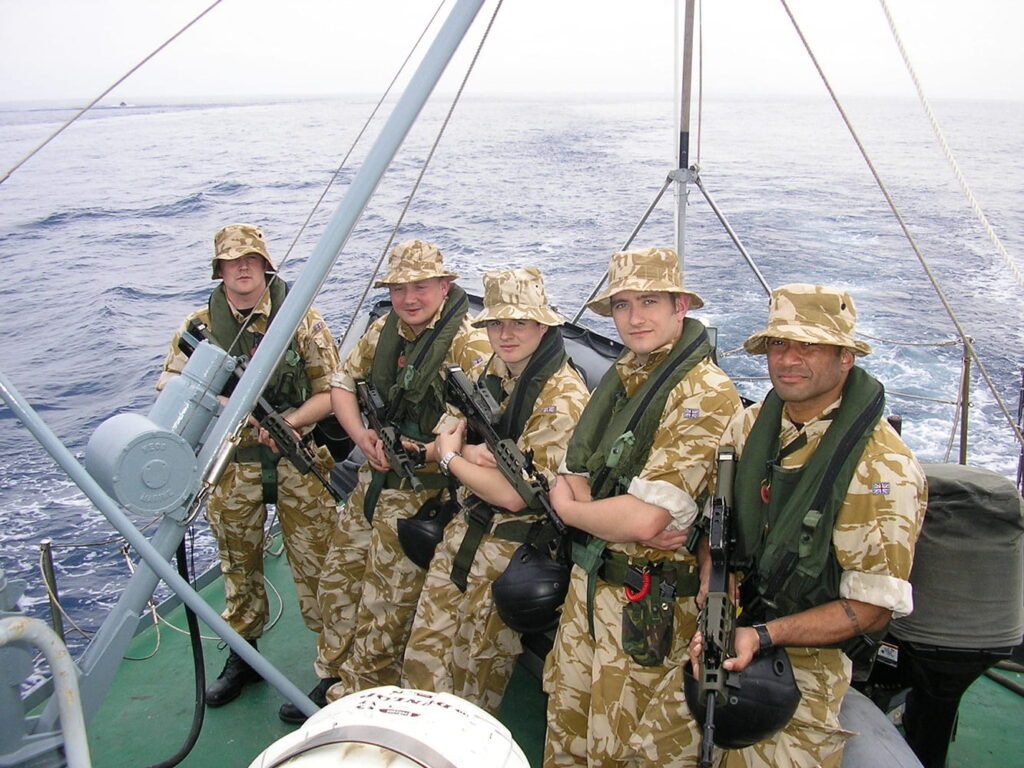
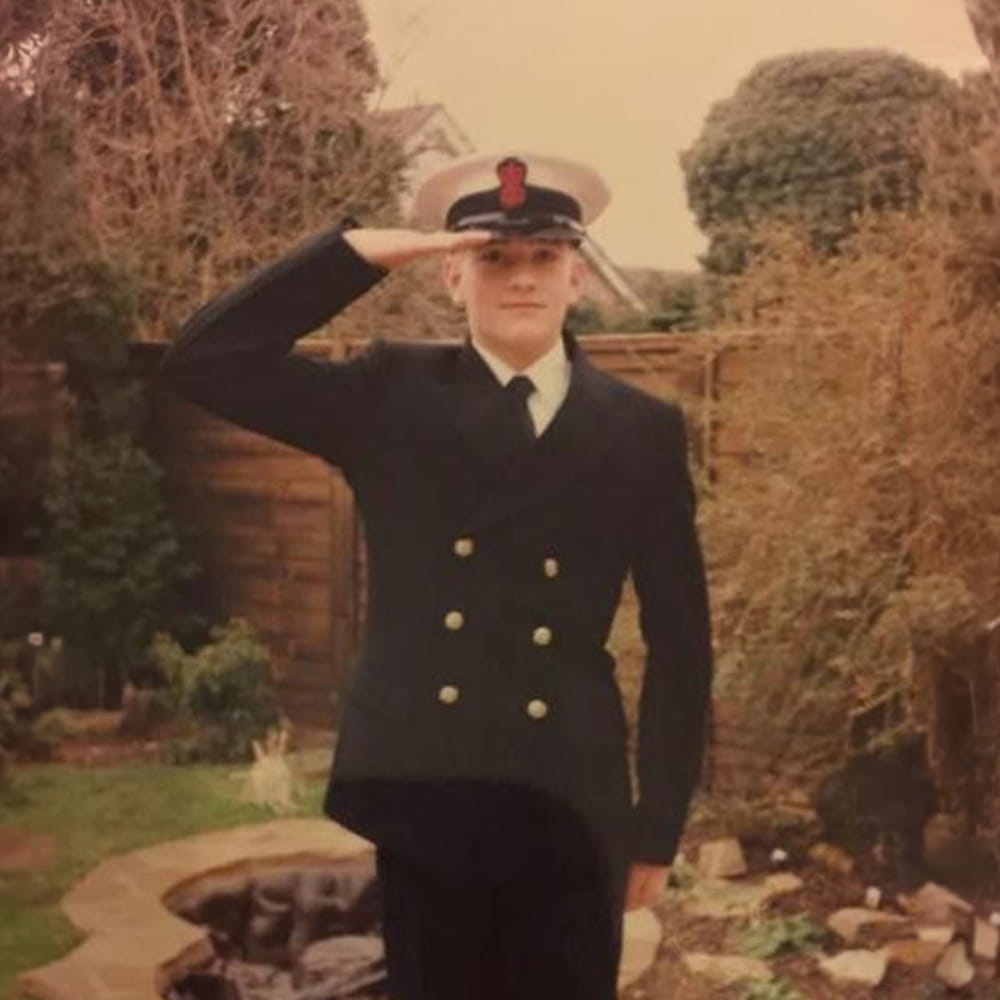
Matt Kent joined the Royal Navy in 1991 as a 17-year-old marine engineering apprentice. He left just under 29 years later, having risen from that starting point to officer and engineering leader. When he eventually moved into facilities management, the connection he found between the two worlds was not one he had anticipated.
“What you manage on a warship is very similar in principle to what you manage in the built environment,” he says. “It’s only the context that changes.”
From power generation and distribution to ventilation, water systems and firefighting, the engineering disciplines that keep a ship operational map closely onto those that keep a building running. It is a parallel that surprised him and has shaped his perspective on what the sector can offer people leaving the armed forces.
Early Determination, Lasting Foundations
Matt’s route into the Royal Navy required some early determination. He left school at 16, considered commercial diving, and ended up sitting opposite a careers advisor who suggested the Navy as an option. When he enquired about the artificer programme, he was told he did not quite have the qualifications.
Being told he did not qualify was all the motivation he needed. He went back to college, resat his exams, and returned a year later with the grades to qualify. After completing his apprenticeship at HMS Sultan in Portsmouth, he joined his first ship, deployed to the Falklands, and began working his way through a career that would eventually take in ten to fifteen different roles across almost three decades.
In his mid-twenties, as a senior non-commissioned officer, he was identified as a potential officer candidate. He read a mechanical engineering degree at Southampton University, sponsored by the Royal Navy, moved into the Officer Engineering Corps, and continued rotating through positions every two to two and a half years.
Not everyone is ready for formal academic study at 16. “Everyone matures and delivers at different times in their life and their career,” he says.
Discovering FM
The path to facilities management began in one of his final postings: a secure facility in Whitehall, where he served as infrastructure manager. There, he worked alongside a civilian FM supplier providing mechanical and electrical services to the building. The parallels with his engineering background were immediate.
It was also the people he met during that posting who made a lasting impression. Veterans already working in the FM sector gave him a candid account of what the industry was actually like, including the opportunities and challenges.
The Skills that Transfer
A mechanical engineering degree and almost three decades of hands-on operational experience gave Matt an obvious grounding in the technical side of FM. But he argues that the broader foundations the military builds deserve more recognition. Discipline, communication, time management, the ability to prioritise under pressure: these are habits the service builds without you noticing.
“They might sound like basics, but they’re really important, and not everyone arrives in a civilian career with that foundation. The military is brilliant at developing leaders,” he says. “It challenges you, puts you in difficult situations with the right levels of support, and when the time’s right, gives you a bit more.”
Director of Engineering
His approach to leadership draws directly from that model, and he believes it translates well into any senior role. The principles remain constant even when the environment changes completely.
“The principles are the same whether you’re maintaining a warship or managing a complex built environment,” he says. “It’s only the context that changes.”
Advice for Those Considering the Move
For anyone currently serving and thinking about their next chapter, Matt’s advice is practical and direct.
Start by exploring the full breadth of FM. An engineering background is relevant, but so is operational experience, logistics and management. Use every resource the military provides: the Career Transition Partnership and other support services are there for a reason.
Finding a sounding board matters too. “Having somebody who’s already made that transition and can share the pros and cons honestly makes a real difference,” he says. Veterans already in the industry will generally readily give up their time.
“FM is still not particularly well known as an industry, and that surprises me,” he says. “Given the parallels with military engineering, there are huge opportunities that people could be missing out on.”
LinkedIn is more useful than many service leavers expect. “In my experience, people will very happily give you 15 or 20 minutes of their time to share their experience and give honest guidance, even people you don’t know directly,” he says. “Don’t be afraid to reach out.”
Matt’s own transition was shaped by exactly that kind of support. It is also why he believes the responsibility extends beyond individuals making the move. Around 13,000 people leave the armed forces every year. With roughly 10% of the UK population connected to the military through family or friends, the reach into the workforce is broader than many employers recognise.
“The transferable skills are there, the numbers are there, and the moral obligation is there,” he says. “Industry should be actively supporting the armed forces. The organisations that do will see better outcomes as a result.”
The Long View
FM as an industry, Matt believes, is still underappreciated among those considering career options after service. The engineering disciplines, the leadership experience, the operational mindset: much of what the military builds translates directly.
“There are huge opportunities that people could be missing out on,” he says. “People just need to know they exist.”
He is well placed to make that case. Almost 30 years in the Royal Navy, a mechanical engineering degree, an MBA, and a record of leadership across some of the most demanding engineering environments the service operates in.
“Everyone matures and delivers at different times in their life and their career,” he says. “The military gave me the foundation. What you build on top of that is up to you.”