Energy Management Is an Operational Job, Not a Strategy Exercise
Net Zero Week is usually a moment for strategy: targets, roadmaps, pledges. This piece is about the part that gets less attention. Most organisations we work with already have the ambition sorted. Their targets are set, their technologies are chosen, and their roadmaps are signed off. What is far less certain is whether any of that translates into a building that actually performs differently on a Tuesday afternoon in February.
That gap exists because energy management keeps getting treated as something you plan once, rather than something you do every day.
Design Gets the Credit. Operations Decides the Outcome.
A building’s energy performance is not fixed at design stage, and it is not fixed by a strong Net Zero roadmap either. It is decided daily, by how heating, cooling, ventilation, controls and lighting are actually run, and by how well the assets behind them are maintained. Get any of that wrong in practice and it does not matter how good the original specification was. This is why the gap between what a building was designed to achieve and what it actually delivers remains one of the most persistent problems in the built environment.
Compliance demands shift. Budgets tighten. Patterns of use change. In healthcare, clinical need will always come first, as it should. If that means a low-carbon heating system keeps getting pushed into manual override to respond to a ward’s needs, efficiency drops, even though the original design was sound. None of that reflects bad intent. It reflects the fact that operational reality wins, every time, over whatever was modelled on paper.

Where Facilities Management Earns Its Place in the Net Zero Conversation
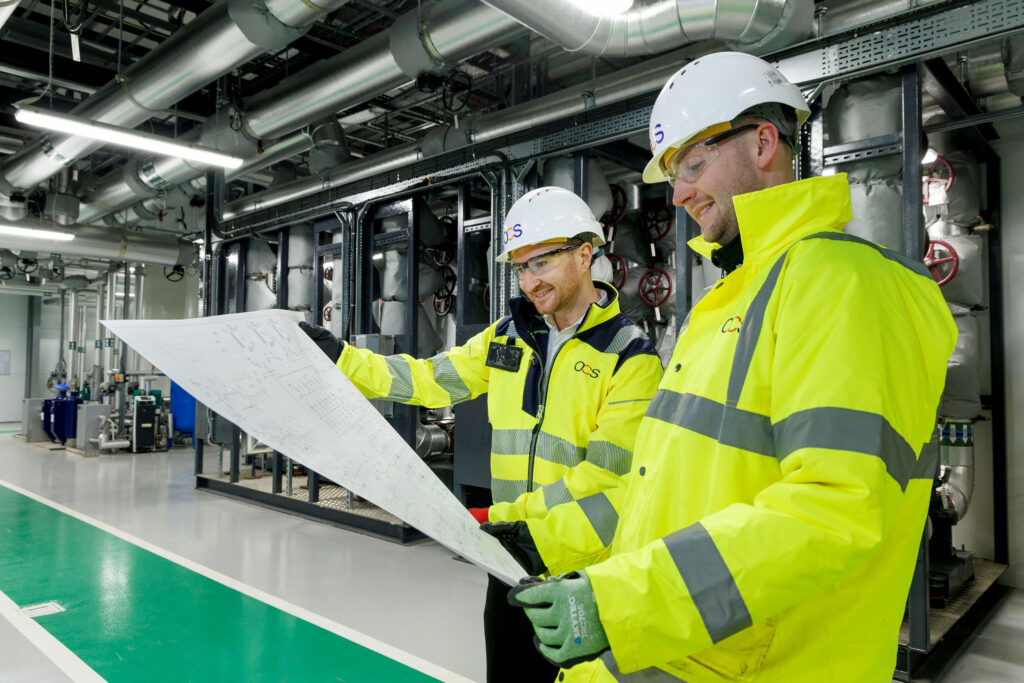
This is precisely why FM sits at the centre of the energy transition rather than at the edge of it. FM teams work at the point where cost, compliance, comfort, safety and sustainability all collide, and they see how a building actually behaves in use, not how it was meant to behave in a specification document. That vantage point is valuable. It is often FM colleagues who first spot the waste nobody else notices: simultaneous heating and cooling, set-points quietly drifting, a building management system nobody has touched in years. None of these look dramatic on their own. Fixed together, they move the needle on both carbon and cost.
Decisions Need Evidence, Not Assumptions
Too many energy decisions still rest on assumptions, a periodic review, or an audit carried out once and then filed away. The organisations making genuine progress are the ones with live visibility over how their buildings are behaving today, not eighteen months ago. Real-time and historic data show where losses are happening, where a system is drifting out of tune, and where an intervention will actually pay off. That shift, from a once-a-year review to a continuous read on performance, is what turns energy management from something reactive into something ongoing.
Technology only delivers on that promise if it sits inside the way teams actually work. Advanced analytics, predictive maintenance, IoT-enabled monitoring and building optimisation platforms can all sharpen decision-making and cut risk. But a dashboard that nobody acts on is just a more expensive way of noticing a problem after it has already cost money. The value is in wiring these tools into the operational fabric of an estate, so they prompt action rather than simply report on what already went wrong.
The Pressure to Prove It Is Rising
None of this is happening in a vacuum. Energy costs are climbing, scrutiny on carbon reporting is intensifying, and organisations are under growing pressure to show resilience alongside sustainability. Public sector programmes in particular now expect detailed modelling, a credible business case and solid evidence of long-term value before they will fund anything. Energy management cannot sit off to one side of that. It has to connect to capital planning, maintenance cycles and the wider estate strategy, or it will keep losing out to more immediate priorities.

Why OCS Built Energy Services Around Delivery
That is also the thinking behind OCS’s Energy Services business unit. Customers do not just want an audit and a set of recommendations. They want a route from assessment through to delivery, maintenance and ongoing optimisation, delivered by one team rather than handed between several. Bringing engineering, energy and FM expertise together under one structure is what closes the gap between an improvement being identified and it actually being sustained.
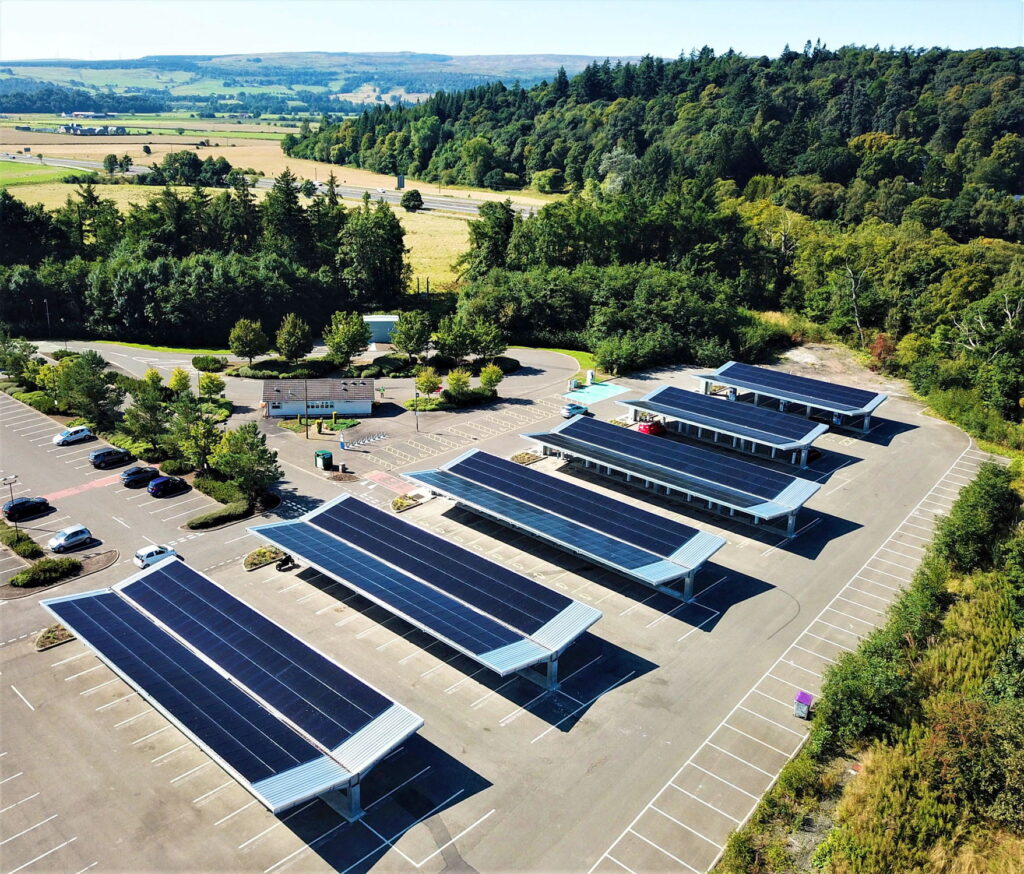
Full-lifecycle thinking matters because energy performance is never finished at handover. Installing solar PV, upgrading controls or bringing in low-carbon heat is one chapter, not the whole story. Every one of those assets then has to keep performing under real operational pressure, with competing demands pulling at it daily. Skip the maintenance, monitoring and optimisation that follows, and the savings and carbon reductions that were promised at the outset can unravel fast.
The Bottom Line for Net Zero Week
Strategy will not deliver better energy management on its own. Plans, capital and technology all matter, but the outcome is won or lost in how a building is run day to day. Organisations serious about cutting waste, reducing carbon and building resilience into their estates need to give that operational discipline the same attention they give the roadmap. The organisations that get this right, connecting ambition with day-to-day execution, are the ones who will actually reach their targets rather than simply publish them.