Building a service plan that works from day one
When customers appoint a facilities services provider, they need confidence that the proposal reflects how their sites operate. Cleaning may need to continue around 24-hour operations. Access may vary between sites, and recruiting across regional locations may require a different approach from metropolitan sites.
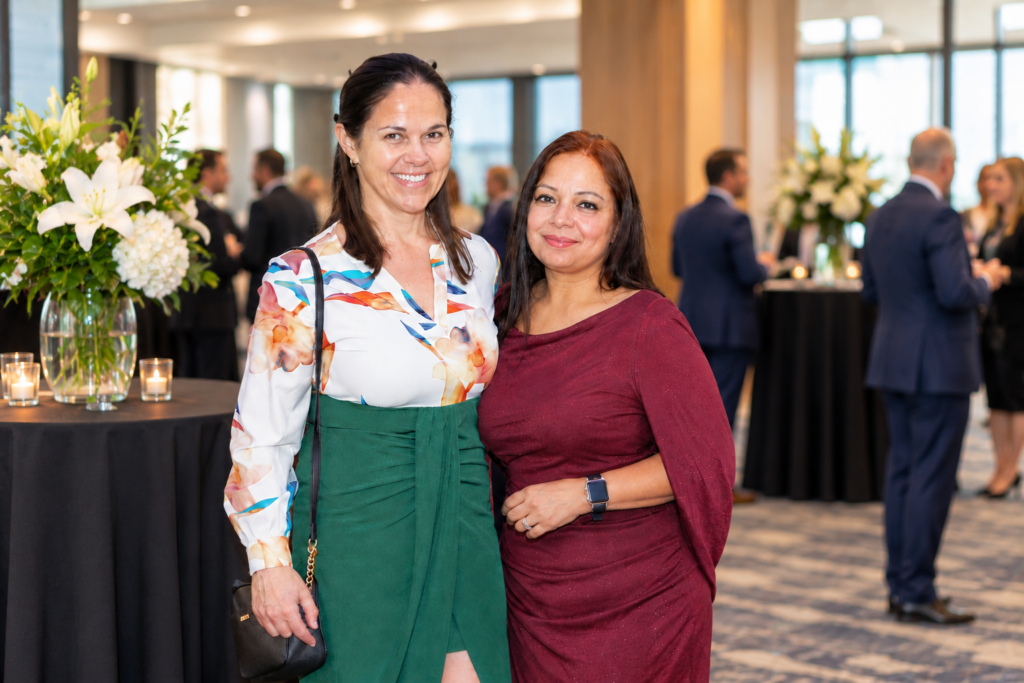
Kate Wittingslow, OCS Australia’s Head of Commercial, and Tulsi Malhotra, National Key Account and Mobilisation Manager, bring operational experience to these discussions. Working with customers and OCS’s state operations teams, they help define what the service needs and what must be in place before it begins.
Their experience spans education, aviation, government, healthcare, public venues and waste management. It informs the depth of questions they ask during a tender and the critical preparations that follow an appointment.
Understanding service complexity
Areas with similar floor space may need different cleaning methods, equipment and staffing depending on how they’re used. Busy periods can increase the workload when access is most restricted. For customers assessing a proposal, knowing these demands helps determine whether the resources provided can deliver the standard they expect.
Kate draws on her operational experience to work through these points with customers and OCS’s state teams. Earlier in her career, she managed airport cleaning and waste services, coordinating more than 40 colleagues across a 24-hour roster, private schools with more than 3,500 students and a portfolio of public hospitals. She has also led workforce administration of over 800 staff per day for a major international sporting event, giving her experience of coordinating resources around a demanding event schedule.
That background informs how she examines working hours, equipment availability, and supervision in a proposal, including how resources may need to change as activity across the site changes.
In education, for example, a junior classroom where children eat lunch and use glue and paint has different cleaning requirements from a university lecture theatre. The academic calendar also affects when work can take place. Understanding those differences during the tender process helps ensure the proposed resources, equipment and working hours reflect how the spaces will actually be used.
“Performances, exams and graduations all affect how we organise the workforce,” Kate says. “Term breaks give us time for deeper cleaning, but we need to plan for what happens during term as well.”
These discussions help customers clarify what is included in the proposed service and agree how additional demands will be managed before the contract begins.
Preparing for a change of provider
Customers need service continuity without disruption during the mobilisation process whilst a new provider prepares to take over. They also need confidence of a smooth handover from the incumbent provider and that recruitment, training, equipment and site access will be ready for the agreed start date.
Having managed geographically dispersed contracts, Tulsi works through these preparations with customers and OCS’s state teams. She has overseen national cleaning responsibilities across more than 70 aviation-related sites and managed a government portfolio spanning more than 250 locations.
Her involvement during the tender means customers can discuss recruitment and transition arrangements with the person who would lead mobilisation. For one Australian university, that included questions about recruiting in regional locations during a planned three-month transition. Tulsi drew on her experience managing a national government portfolio across regional Australia to provide confidence to the customer before OCS was appointed.
Once a contract is awarded, the mobilisation plan records agreed commitments, each with a responsibility and deadline, giving customers a clear view of what needs to happen before services begin.
“Whatever we are promising needs to be captured in the mobilisation plan,” Tulsi says. “We track those deliverables so the customer can see how we are progressing in real-time.”
Customers can see which preparations are complete, what remains outstanding, and who needs to act. The plan also supports the handover to local operations teams, keeping the agreed requirements clear as daily services begin.
Tulsi also manages national key accounts, using performance reports and customer reviews to ensure those requirements are consistently met. Customers can raise issues, review performance, and consider adjustments as their operations change.
Kate brings operational experience to the proposal, so it reflects how the customer’s sites run. Tulsi then works with the state teams responsible for delivery to plan what needs to be in place before services begin. That continuity gives customers confidence that OCS can mobilise complex contracts and deliver the agreed services from day one.